Why Annual Heating Maintenance Is a Must for Safety
When the first chill creeps in, most people reach for the thermostat without a second thought. But behind every warm, comfortable home is a heating system that needs regular care. At Matlock HVAC, we know that skipping annual maintenance isn’t just risky—it can be dangerous.
Heating systems are like the heart of your home or business. If they’re neglected, small issues can quietly grow into safety hazards or costly breakdowns. Annual checkups aren’t just a box to tick—they’re about protecting your space and everyone in it.
Why Annual Maintenance Matters
Think of your heating system like a car. You wouldn’t drive thousands of miles without an oil change, right? Skipping annual heating maintenance is similar. Over time, dust, wear, and minor faults can build up. These problems don’t just sap efficiency—they can create real safety risks.
The National Fire Protection Association (NFPA) reports that heating equipment is one of the leading causes of home fires in the U.S. Many of these incidents are linked to lack of regular maintenance. Annual inspections help spot trouble before it escalates.
Safety Checks and What They Prevent 🔎
A professional technician’s eyes catch the things you might miss. Here’s what annual safety checks help prevent:
- Carbon Monoxide Leaks: Cracked heat exchangers or blocked vents can let this odorless, deadly gas seep into your home.
- Electrical Hazards: Loose wires or faulty controls can spark fires or cause system failures.
- Gas Leaks: Small leaks can go unnoticed but pose serious risks, especially in older systems.
- Fire Hazards: Dust and lint inside the furnace can ignite if not cleaned out regularly.
The International Code Council (ICC) and local building codes require safe operation and regular inspection of heating systems. Ignoring these guidelines puts your property and loved ones at risk.
What Happens During a Professional Visit
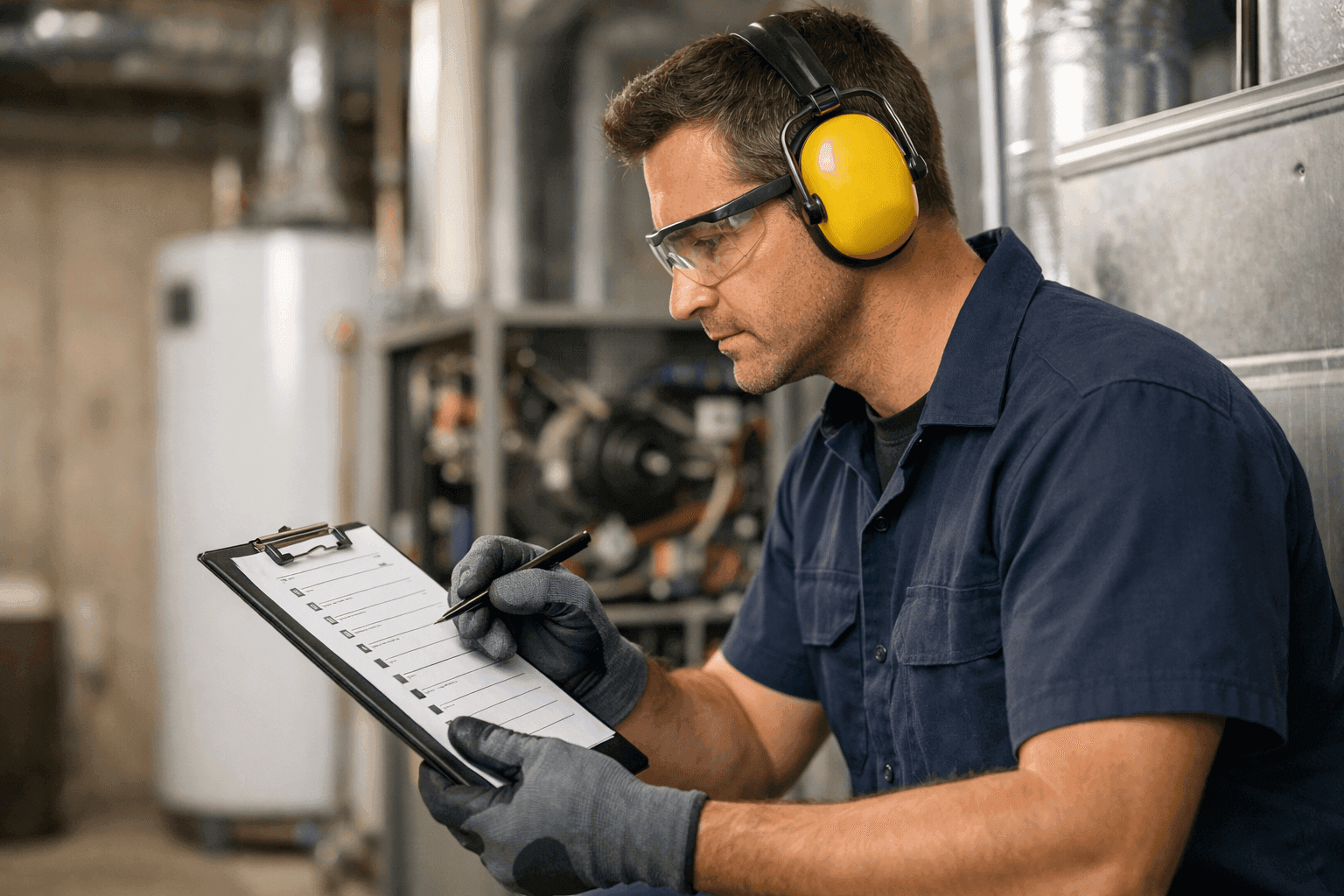
A heating maintenance visit isn’t just a quick glance. It’s a step-by-step process, including:
- Inspecting the heat exchanger for cracks or corrosion
- Checking and calibrating thermostats for accuracy
- Cleaning burners and ignition systems
- Testing safety switches, sensors, and controls
- Lubricating moving parts
- Inspecting and replacing air filters
- Checking flue and venting for blockages
- Reviewing gas or electrical connections
Each step is designed to catch hidden dangers and keep your system running safely.
Benefits for Efficiency and Longevity
Neglected systems work harder to heat your space, using more energy and wearing out faster. Routine maintenance:
- Reduces energy bills by keeping everything running smoothly
- Extends the life of your equipment, delaying costly replacements
- Keeps warranties valid (many manufacturers require annual service)
- Improves indoor air quality by ensuring proper filtration and ventilation
A well-maintained system is like a marathon runner in peak condition—efficient, reliable, and built to last.
Quick Safety Checklist for Homeowners 📝
While some tasks require a pro, you can help keep your system safe in between visits:
- Change or clean filters every 1–3 months
- Keep vents and registers clear of furniture and dust
- Listen for new noises or rattles
- Check for unusual smells when the system runs
- Test carbon monoxide detectors regularly
If you notice anything odd, don’t wait—call for help.
DIY vs. Calling a Pro
Some maintenance is safe for homeowners, like changing filters or vacuuming around the furnace. But deeper inspections—especially those involving gas, electricity, or internal parts—should be left to certified technicians.
Attempting complex repairs yourself can void warranties, damage your system, or even put your safety at risk. That’s why so many people rely on heating maintenance services for thorough, code-compliant care.
Common Mistakes That Lead to Trouble
It’s easy to overlook warning signs or skip service when life gets busy. The most common missteps include:
- Ignoring strange smells or noises
- Forgetting annual checkups
- Blocking vents with furniture or rugs
- Using the wrong filter size or type
- Attempting DIY repairs without training
These shortcuts can turn minor issues into emergencies.
When It’s an Emergency 🚨
Some heating problems can’t wait. If you notice:
- The smell of gas
- Soot or scorch marks near your furnace
- The carbon monoxide alarm sounding
- No heat during a deep freeze
Turn off your system and call for emergency service right away. For those seeking heating safety in Rio Rancho, rapid local support is always close by.
Timeline & Disruption: What to Expect
A typical maintenance visit takes about one to two hours. Technicians will need clear access to your furnace, thermostat, and vents. Most appointments cause minimal disruption—just enough time for a cup of coffee and peace of mind.
Seasonal Considerations
The best time for service is before the heating season begins, usually in early fall. This timing ensures your system is ready when you need it most. For commercial properties, a spring check can also help spot wear from heavy winter use.
Signs Your System Needs Immediate Attention
Don’t wait until next year if you notice:
- Unusual banging, whistling, or grinding noises
- Short-cycling (system turns on and off rapidly)
- Uneven heating or cold spots
- Higher-than-normal energy bills
- Persistent dust or poor air quality
These are red flags that your system needs a professional look—soon.
Materials and Equipment Used
Technicians use specialized tools to test, clean, and calibrate your system. This includes combustion analyzers, gas leak detectors, and airflow meters. Using the right equipment ensures accurate results and safe operation.
Prevention & Maintenance: The Long Game
Annual maintenance isn’t just about today’s comfort—it’s an investment in your property’s future. Well-kept systems are less likely to break down, cost less to run, and last years longer than neglected ones.
FAQ: Heating Maintenance and Safety
Q: How often should I schedule maintenance?
A: Once a year, ideally before the heating season.
Q: What if my system is new?
A: Even new systems need annual checkups to keep warranties valid and catch early issues.
Q: Are there maintenance tasks I can do myself?
A: Yes—change filters regularly and keep vents clear, but leave deeper inspections to professionals.
Q: Can regular maintenance improve air quality?
A: Absolutely. Clean filters and ducts mean fewer allergens and healthier indoor air.
The Bottom Line: Peace of Mind
Annual heating maintenance is more than a chore—it’s a shield against fire, carbon monoxide, and unexpected breakdowns. It’s the difference between worrying about your heating and simply enjoying warmth all winter long.
Ready to schedule your next checkup? Call Matlock HVAC now — or reach us anytime at 844-484-6545 .