How to Diagnose Common AC Problems Before You Call
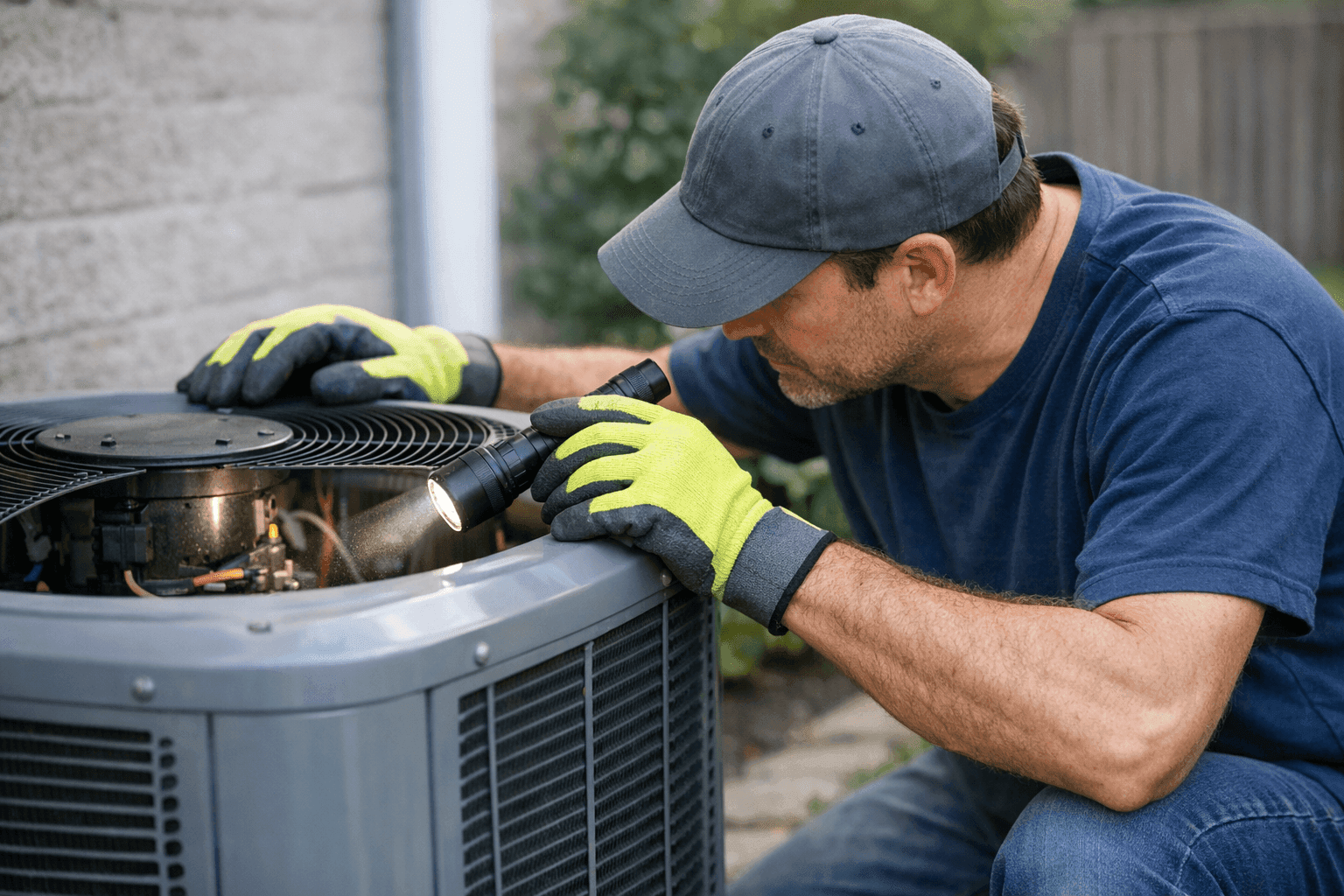
Is your AC acting up just as the weather gets hot? You’re not alone. Every summer, homeowners and businesses scramble when their air conditioners sputter, blow warm air, or fall silent. It’s frustrating, especially when you’re not sure if it’s a quick fix or a sign of something bigger.
At Matlock HVAC, we know how stressful a sudden AC problem can feel. But before you reach for the phone, there are safe, simple steps you can take to diagnose what’s going on. We’ll walk you through the most common symptoms, what you can check yourself, and when it’s best to let a pro handle it.
Top AC Symptoms Homeowners Face 🛑
Your air conditioner is like the heartbeat of your comfort in summer. When it skips a beat, you notice. Here are the most common signals that something’s wrong:
- Unusual noises — rattling, banging, buzzing, or whistling
- Lack of cool air — blowing warm or room-temperature air
- Water leaks — puddles or drips near your indoor unit
- Electrical issues — breaker trips, flickering lights, unresponsive thermostat
- Strange odors — musty, burning, or chemical smells
- Short cycling — AC turns on and off rapidly
- Weak airflow — barely any air from the vents
Each symptom can point to a different issue. Some are simple, like a clogged filter. Others, like electrical problems, can be serious. The key is knowing what you can safely check—and when to stop.
DIY Troubleshooting Steps
Before you call for AC repair services, try these safe, practical checks. No special tools required—just your senses, a flashlight, and a little patience.
Unusual Noises
- Rattling or banging: Could be loose panels or debris. With the unit off, check for sticks, leaves, or screws that need tightening.
- Buzzing or humming: Sometimes a sign of electrical issues or a failing motor. If the noise is inside the control panel, don’t open it—this is a job for a licensed technician.
Lack of Cooling
- Check your thermostat: Is it set to “cool” and several degrees below the room temperature?
- Inspect air filters: Dirty filters choke airflow. Replace or clean them if they’re clogged (most homes need this monthly in summer).
- Look at your vents: Make sure nothing is blocking them—furniture, curtains, or dust buildup.
Leaks and Moisture
- Condensate drain: A clogged drain line can cause water to pool. If you’re handy, you can clear the line with a wet/dry vacuum.
- Refrigerant leaks: If you see oily residue or hear hissing, leave it alone. Refrigerants are hazardous and require EPA-certified handling.
Electrical Issues
- Circuit breaker: If your AC trips the breaker, reset it once. If it trips again, call for service—don’t keep flipping it.
- Thermostat batteries: Sometimes the fix is as simple as fresh batteries in your thermostat.
When to Stop
If anything smells burnt, sparks, or you’re unsure, step away. Electrical and refrigerant issues are never DIY territory.
When to Call a Professional
Some problems are best left to the experts. If you’ve tried the basics and your AC still isn’t working, or if you notice any of these red flags, it’s time to call for help:
- Persistent electrical problems (breaker keeps tripping, burning smells)
- Refrigerant leaks (hissing, oily spots, ice on coils)
- Compressor won’t start (unit hums but doesn’t run)
- Major water leaks (risk of property damage or mold)
- No improvement after filter and thermostat checks
If you’re in need of reliable Castle Rock HVAC services, our team is ready to help 24/7—especially when the unexpected happens.
Preventing Future Breakdowns 🛠️
An ounce of prevention is worth a pound of repair bills. Most AC breakdowns can be avoided with a little attention throughout the year.
- Change filters regularly—dirty filters are the #1 cause of weak airflow and frozen coils.
- Keep outdoor units clear—trim vegetation and remove debris.
- Schedule seasonal checkups—spring and fall are perfect times for a professional inspection.
- Listen for changes—new noises or smells are early warning signs.
Want to go the extra mile? Explore these AC maintenance tips to keep your system running smoothly and extend its lifespan.
Quick Safety Checklist
Before you work on or near your AC, always:
- Turn off power at the breaker.
- Use a sturdy ladder if you need to reach vents or attic units.
- Wear gloves and eye protection if you’re cleaning or inspecting coils.
- Never handle refrigerants or open electrical panels—leave those to licensed HVAC professionals.
- Follow all manufacturer instructions and local building codes (refer to the International Residential Code and National Electrical Code for safety standards).
What Pros Do On Arrival
When you call in Matlock HVAC, our technicians arrive with specialized tools and years of training. Here’s what happens next:
- Full system evaluation—indoor and outdoor units, thermostat, and ductwork.
- Electrical safety checks and voltage testing.
- Refrigerant level measurement (EPA-certified only).
- Airflow and temperature assessment.
- Written estimate before any repair begins.
Our goal? To find the root cause, not just treat the symptoms.
Costs & Time Factors
- Simple fixes (filter changes, thermostat issues): Often resolved in under an hour.
- Complex repairs (compressor, refrigerant, electrical): May require parts and several hours.
- Emergency service: Available 24/7, but after-hours visits may cost more.
We’ll always explain your options and help you make the best decision for your comfort and budget.
When It’s an Emergency 🚨
Some situations can’t wait:
- Water leaking through ceilings or walls
- AC won’t turn on during extreme heat
- Smoke, sparks, or burning smells
- Loud bangs or electrical popping
If you’re facing an urgent issue, don’t wait. Turn off your system and reach out for help immediately.
Common Mistakes to Avoid
- Ignoring small problems: That odd noise or smell won’t fix itself—it’ll get worse.
- Skipping maintenance: Out of sight, out of mind is a costly approach.
- DIY electrical or refrigerant repairs: These are dangerous and could void your warranty.
- Blocking vents: Furniture or rugs over vents make your AC work harder.
Signs of Trouble: When to Watch Closely
- Short cycling: AC turns on and off rapidly—often a sign of thermostat or electrical issues.
- Ice on coils: Usually from low airflow or refrigerant problems.
- Hot and cold spots: Ductwork or zoning issues could be to blame.
If you notice these, keep an eye out and schedule a professional evaluation soon.
Timeline & Disruption: What to Expect
- Most repairs are done same-day if parts are available.
- Major repairs (compressor, coil replacement) may take longer, especially in peak summer.
- Service appointments: Plan for a 2–4 hour window, but we’ll always keep you updated.
Materials & Equipment: What’s Safe for Homeowners
- Filters: Stock up on the right size for your system.
- Thermostat batteries: Keep extras on hand.
- Basic cleaning supplies: Soft cloths, mild detergent, and a vacuum for vents.
- Flashlight: Essential for inspecting dark corners or attic units.
Leave specialized tools—like refrigerant gauges or electrical testers—to the pros.
Seasonal Considerations
- Spring: Best time to schedule maintenance before the first heatwave.
- Summer: Check filters monthly and clear outdoor units after storms.
- Fall: Prepare for heating season—test your system early.
- Winter: If your AC doubles as a heat pump, keep it clear of snow and ice.
Seasonal changes can reveal hidden issues. If you’re in need of local tune-ups or repairs, our team is always ready to help.
FAQ: Quick Answers for Common Concerns
How often should I change my AC filter?
Most homes need a new filter every 1–3 months, depending on usage and indoor air quality.
Can I clean my outdoor unit myself?
Yes, gently remove leaves and debris. Never use a pressure washer—it can bend the fins.
Is it safe to reset the breaker more than once?
No. If your AC trips the breaker twice, call for professional help.
What’s the best way to maintain indoor air quality?
Use high-quality filters, schedule regular duct cleaning, and consider adding Humidifiers near you for year-round comfort.
If your AC just won’t cooperate, don’t sweat it. Call Matlock HVAC now — or reach us anytime at 844-484-6545 .