HVAC Maintenance Checklist: Homeowner's Essential Guide
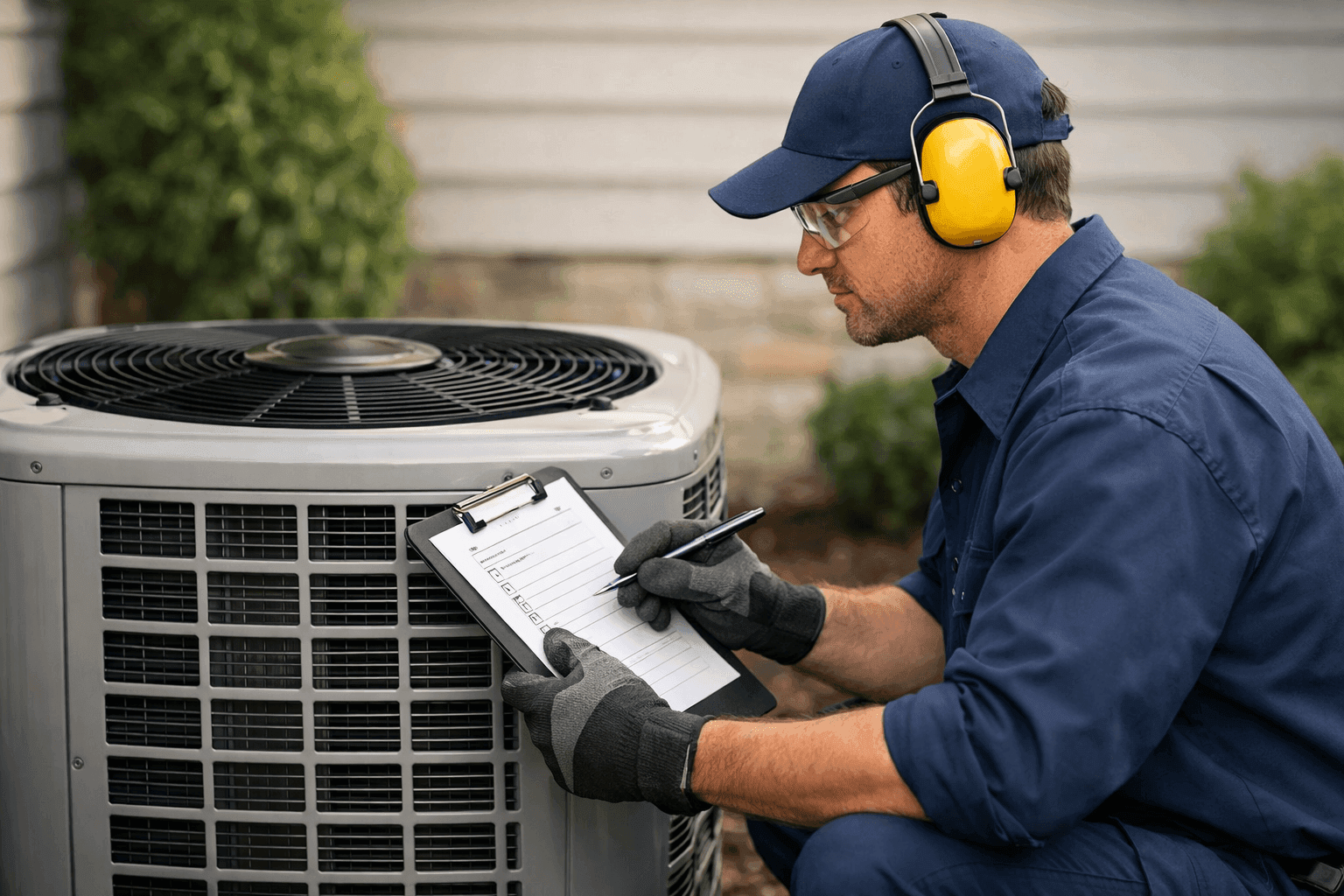
Keeping your home or business comfortable isn’t just about having the right equipment—it’s about making sure your HVAC system gets the care it needs, year after year. Think of your HVAC like the heart and lungs of your space: when they’re healthy, everything runs smoother, quieter, and more efficiently.
But where do you start? What really needs to be done—and when? This homeowner’s guide walks you through the essential steps, with practical tips and safety reminders, so you can protect your investment and breathe easy.
Why Regular HVAC Maintenance Matters 🛠️
Skipping HVAC maintenance is like ignoring the oil light on your car. Sure, it might run for a while, but sooner or later, you’ll pay the price. Regular upkeep helps:
- Lower your monthly energy bills
- Prevent sudden, costly breakdowns
- Improve indoor air quality (IAQ)
- Extend the life of your system
- Keep your home’s temperature steady and comfortable
According to the U.S. Department of Energy, proper maintenance can improve your HVAC system’s efficiency by up to 15%. That’s money saved and fewer headaches down the road.
Monthly, Seasonal, and Annual Tasks
A little attention each month, season, and year goes a long way. Here’s how to break it down:
Monthly Tasks
- Check and replace filters. Dirty filters restrict airflow, making your system work harder.
- Inspect thermostats. Make sure settings are accurate and batteries are fresh.
- Listen for unusual noises. Squeaks, rattles, or grinding sounds can signal trouble.
- Check vents and registers. Remove dust, pet hair, and debris to keep air moving freely.
Seasonal Tasks
- Spring: Clean around outdoor AC units. Remove leaves, branches, and debris. Schedule a professional tune-up before peak cooling season.
- Fall: Clear furnace area of clutter. Test carbon monoxide detectors. Schedule heating system inspection before winter hits.
- Before major weather changes: Inspect insulation on refrigerant lines and check for leaks.
Annual Tasks
- Full system inspection. Have a pro look over electrical connections, refrigerant levels, and drainage.
- Duct cleaning. Keep airways clear and improve IAQ.
- Test safety controls. This includes emergency shutoffs and backup generators.
For a step-by-step list tailored to your system, check out our HVAC maintenance services.
What to Inspect and When to Call a Pro
Some tasks are safe for a homeowner. Others require a trained eye (and sometimes a license).
Filters, Thermostats, Outdoor Units, and Vents
Filters
- When: Check monthly, replace every 1–3 months.
- Why: Clogged filters can lead to overheating and poor air quality.
Thermostats
- When: Test with each season change.
- Why: Faulty thermostats waste energy and make comfort impossible.
Outdoor Units
- When: Inspect monthly, especially after storms.
- Why: Leaves, twigs, and dirt can block airflow and cause overheating.
Vents & Registers
- When: Clean monthly.
- Why: Blocked vents force your system to work overtime and reduce efficiency.
When to Call an Expert
- Strange smells: Burning, musty, or chemical odors.
- Sudden spikes in bills: Unexplained jumps often mean something’s wrong.
- System won’t start or keeps cycling: Could be electrical or sensor issues.
- You hear grinding or banging: Don’t ignore these—they’re often early warning signs.
If you’re in the area and need fast help, you’ll find Mount Pleasant HVAC services are available when you need them most.
Safety Precautions for DIY Maintenance ⚠️
Before you grab your screwdriver, remember: safety first. HVAC systems involve electricity, moving parts, and sometimes gas or refrigerants.
- Turn off power at the breaker before opening panels.
- Wear gloves and eye protection.
- Never attempt to repair gas lines or electrical wiring unless you’re qualified.
- If you smell gas, leave immediately and call emergency services.
The Occupational Safety and Health Administration (OSHA) recommends homeowners avoid any maintenance involving refrigerant lines or electrical components.
Building a Maintenance Schedule
Consistency is key. Treat your HVAC like a garden: a little care, often, keeps everything growing strong.
- Set calendar reminders for monthly filter checks and seasonal inspections.
- Keep a maintenance log—write down dates and what was done.
- Schedule professional HVAC maintenance at least once a year for both heating and cooling systems.
You can use a simple notebook or a digital calendar—whatever works for you. The goal is to catch small issues before they become big headaches.
Common Mistakes Homeowners Make
- Ignoring unusual noises or smells.
- Skipping filter changes.
- Blocking vents with furniture or curtains.
- Forgetting to clear debris from outdoor units.
- Attempting risky DIY repairs.
Avoiding these pitfalls can save you costly repairs (and chilly nights).
Signs Your HVAC Needs Immediate Attention
- Sudden lack of airflow
- Water pooling around units
- Frequent system cycling on and off
- Breaker trips when system starts
- Unusual humidity or dust indoors
If you notice any of these, call a professional right away. Quick action can prevent bigger, costlier problems.
How Pros Handle a Maintenance Visit
When you schedule professional HVAC maintenance, here’s what you can expect:
- Inspection of all electrical and mechanical components
- Testing of thermostat accuracy and controls
- Checking refrigerant levels and airflow
- Cleaning of coils, drains, and burners
- Lubrication of moving parts
- Safety checks for gas leaks and carbon monoxide
Technicians use industry best practices and follow standards set by organizations like the Air Conditioning Contractors of America (ACCA) and the National Fire Protection Association (NFPA).
Seasonal Considerations: Prepare for Weather Swings 🌦️
Changing seasons can stress your HVAC system. Before the first heatwave or cold snap:
- Test your system early. Don’t wait until the first 90-degree day or frost.
- Change filters and check outdoor units.
- Make sure your thermostat is set for the right season.
If you’re in need of HVAC maintenance in Mount Pleasant, local support is just a call away.
Materials and Tools for Homeowners
- Replacement filters (check your system’s size)
- Soft brush or vacuum for vents
- Screwdriver for access panels
- Flashlight for inspecting dark spaces
- Mild cleaner for coils (never use harsh chemicals)
Most tasks require just basic household tools. Leave advanced repairs to the pros.
Frequently Asked Questions
How often should I replace my filter?
Every 1–3 months, depending on pets, allergies, and usage.
Is duct cleaning really necessary?
If you notice excessive dust, odors, or allergies, it’s a good idea to have ducts inspected.
What’s the best thermostat setting for energy savings?
The U.S. Department of Energy recommends 78°F in summer and 68°F in winter when you’re home.
Can I install a humidifier or dehumidifier myself?
Some portable units are DIY-friendly, but whole-home units should be professionally installed.
Ready for Year-Round Comfort?
Regular HVAC maintenance is the secret to a cozy, healthy home. Whether you’re changing filters or scheduling a yearly check-up, every step counts.
Call Matlock HVAC now — or reach us anytime at 844-484-6545 .