What to Expect During a Home Energy Audit
Is your home drafty in winter and stuffy in summer? Maybe your energy bills keep climbing, but comfort doesn’t follow. You’re not alone. Many homeowners and business managers face the same puzzle—where is all that energy going, and why does it feel like the AC or heater is working overtime?
At Matlock HVAC, we know how confusing it can be to spot hidden energy drains. A home energy audit takes the guesswork out, mapping the path to a more comfortable, efficient space. Let’s pull back the curtain on what actually happens during an audit—and how you can use the results to make real improvements.
What Is a Home Energy Audit? 🏠
Think of a home energy audit as a health checkup for your house or building. Instead of a stethoscope, technicians use specialized equipment to uncover leaks, insulation gaps, and underperforming systems. The goal? To find out where energy slips away—like water trickling through unseen cracks.
A home energy audit looks at your entire property: insulation, HVAC systems, windows, doors, ductwork, and even your habits. It’s not just about saving money (though that’s important). It’s also about boosting comfort, improving indoor air quality, and making sure your investments in heating and cooling actually pay off.
Why Consider a Home Energy Audit?
Energy costs aren’t getting any lower. But a thorough audit can reveal simple fixes—like sealing air leaks or upgrading filters—that cut waste and lower bills. For businesses, this can mean a healthier bottom line. For families, it’s about comfort and peace of mind.
Professional audits go beyond the surface. While you might spot a drafty window, a trained auditor can trace the root cause and suggest cost-effective solutions.
Steps in the Energy Audit Process
1. Initial Consultation
It starts with a conversation. The auditor asks about your comfort concerns, energy bills, and any recurring issues—think of it as telling the doctor where it hurts.
2. Exterior and Interior Inspection
The auditor walks through your property, inside and out. They’ll look for:
- Gaps around windows and doors
- Signs of moisture, mold, or poor ventilation
- Condition of insulation in the attic and walls
- HVAC system age and performance
- Ductwork leaks or blockages
3. Blower Door Test
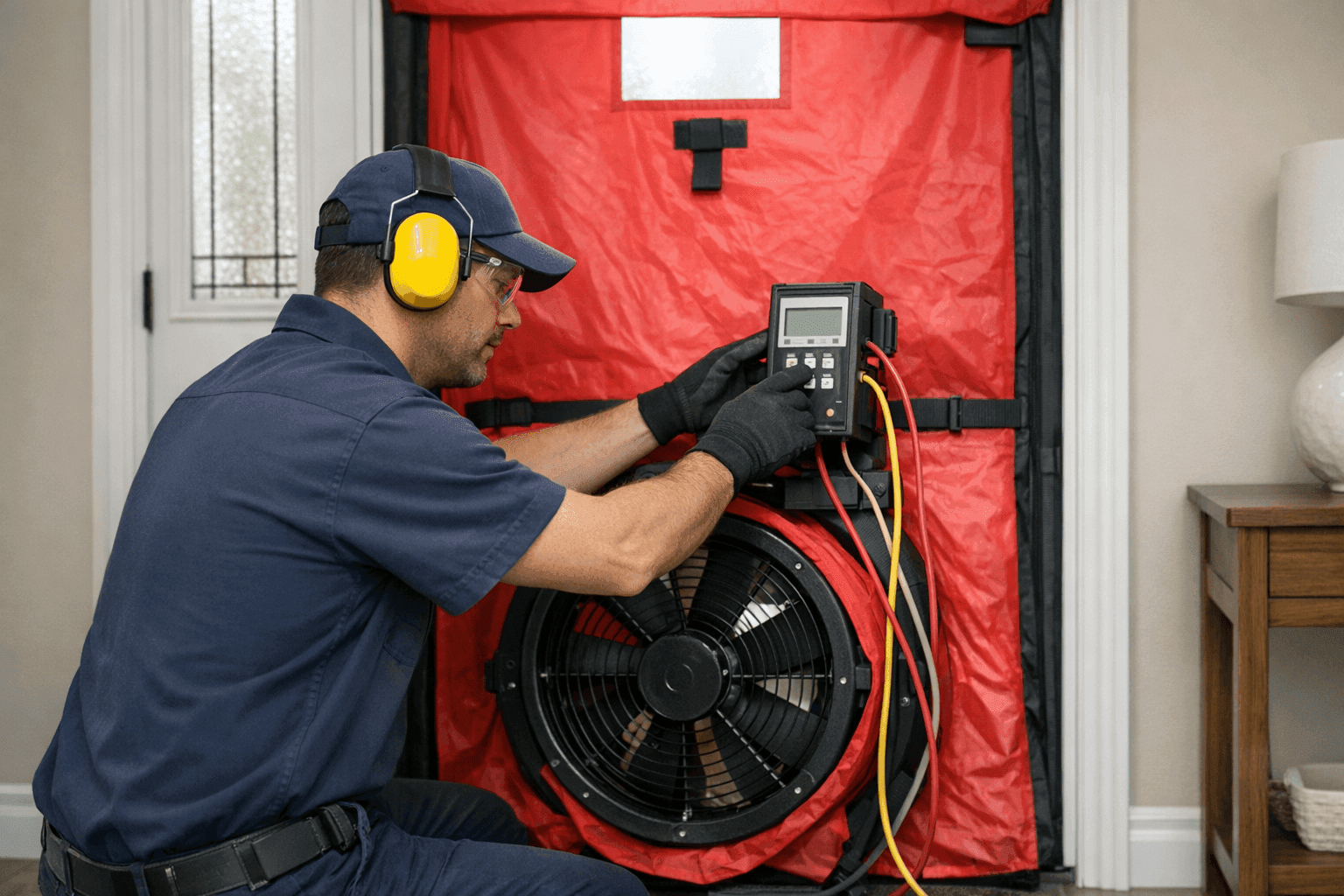
This is the showstopper—a large fan is mounted in an exterior doorway, pulling air out to lower indoor pressure. Outside air rushes in through cracks and leaks, making them easy to spot. It’s like turning up the volume on your home’s “leakiness.”
4. Infrared Thermography
Using an infrared camera, the auditor scans walls, ceilings, and floors. Cold spots reveal missing insulation or hidden air leaks. It’s a bit like superhero x-ray vision for your home.
5. HVAC and Ventilation Assessment
Your heating and cooling systems are checked for efficiency and safety. Filters, thermostats, and even humidifiers near you are examined for proper function.
6. Review of Energy Bills
Past utility bills tell a story. Spikes or unusual patterns can point to deeper issues.
7. Detailed Reporting
All findings are documented, often with photos and clear explanations. You’ll get a list of prioritized recommendations—what to fix first for the biggest impact.
Interpreting the Results
Don’t let the report intimidate you. It’s not a pass/fail test—it’s a roadmap. The auditor will explain:
- Where your home is losing energy
- Which problems are urgent vs. “nice to fix”
- Estimated savings for each recommended upgrade
- Health and safety concerns, like carbon monoxide risks or ventilation needs
If you’re unsure about any part of the report, ask questions. The goal is to empower you to make informed decisions, not bury you in jargon.
Common Recommendations and Upgrades 🔧
After the audit, you’ll likely see some familiar fixes—and maybe a few surprises. Here are the most common:
- Sealing air leaks: Around windows, doors, attic hatches, and electrical outlets.
- Upgrading insulation: Especially in attics, crawlspaces, or exterior walls.
- Duct cleaning and sealing: Dirty or leaky ducts can waste up to 30% of heated or cooled air. Duct cleaning is often a smart first step.
- HVAC maintenance: Regular tune-ups keep your systems running at peak efficiency.
- Thermostat upgrades: Smart thermostats can cut energy use by learning your schedule.
- Ventilation improvements: Sometimes, adding exhaust fans or air exchangers is needed for healthy indoor air.
- Lighting and appliance updates: Switching to LED bulbs or ENERGY STAR® appliances.
Some upgrades pay for themselves quickly, while others are longer-term investments. The U.S. Department of Energy offers guidelines on best practices and potential rebates.
How Long Does a Home Energy Audit Take?
Most audits take two to four hours for a typical home. Larger commercial properties may require more time. You can expect minimal disruption—just some open doors, the hum of equipment, and a bit of moving around.
What Should You Do to Prepare?
- Clear access to attics, crawlspaces, and mechanical rooms.
- Gather a year’s worth of utility bills, if possible.
- Make a list of comfort issues—hot rooms, cold spots, or persistent odors.
- Secure pets in a safe area.
DIY vs. Calling a Pro
Some homeowners try basic DIY checks—like feeling for drafts or checking insulation. That’s a good start. But professional home energy audits use advanced tools and training to find what you can’t see. Plus, auditors follow industry standards set by organizations like RESNET and BPI, ensuring reliable, actionable results.
Safety and Code Considerations
A proper audit checks for more than just energy loss. Auditors look for:
- Carbon monoxide leaks from furnaces or water heaters
- Mold or moisture risks
- Unsafe wiring or outdated equipment
These issues aren’t just about comfort—they’re about health and safety. Always address urgent hazards first.
When to Call for an Audit
- Before major renovations or HVAC upgrades
- After buying a new property
- If energy bills spike unexpectedly
- When comfort problems persist, despite repairs
If you need Albuquerque services, Matlock HVAC provides timely support for both residential and commercial clients.
Seasonal Considerations 🌦️
Spring and fall are ideal times for audits—before peak heating or cooling seasons hit. But audits can be performed year-round. In extreme weather, results may be even more revealing.
Costs and Savings
The cost of a professional audit varies based on property size and complexity. Many utility companies offer rebates or incentives. The real value comes from long-term savings—lower bills, fewer repairs, and a more comfortable indoor environment.
How to Use Your Audit Results
- Prioritize fixes with the biggest payback
- Tackle quick wins (like weatherstripping) right away
- Plan for larger upgrades over time
- Schedule follow-up visits if needed
Remember, every home is different. The audit gives you a custom action plan.
Frequently Asked Questions
Will the audit damage my home?
No—tests are non-invasive. Equipment is designed to leave your space just as it was.
Do I have to do all the recommended upgrades?
No. Start with what fits your budget and goals.
Can I stay home during the audit?
Absolutely. The process is safe for families and pets (with a little supervision).
The Matlock HVAC Difference
At Matlock HVAC, our team brings years of hands-on experience to every audit. We use industry-approved methods and keep your goals front and center. Whether you’re a homeowner or managing a commercial property, we’re here to help you make sense of your energy use—and take action that feels right for you.
Ready to Take the Next Step?
A home energy audit is the first step to a more efficient, comfortable space. Let Matlock HVAC guide you through the process, from inspection to upgrades.
Call Matlock HVAC now — or reach us anytime at 844-484-6545 .