What to Do If Your AC Quits During a Heat Wave
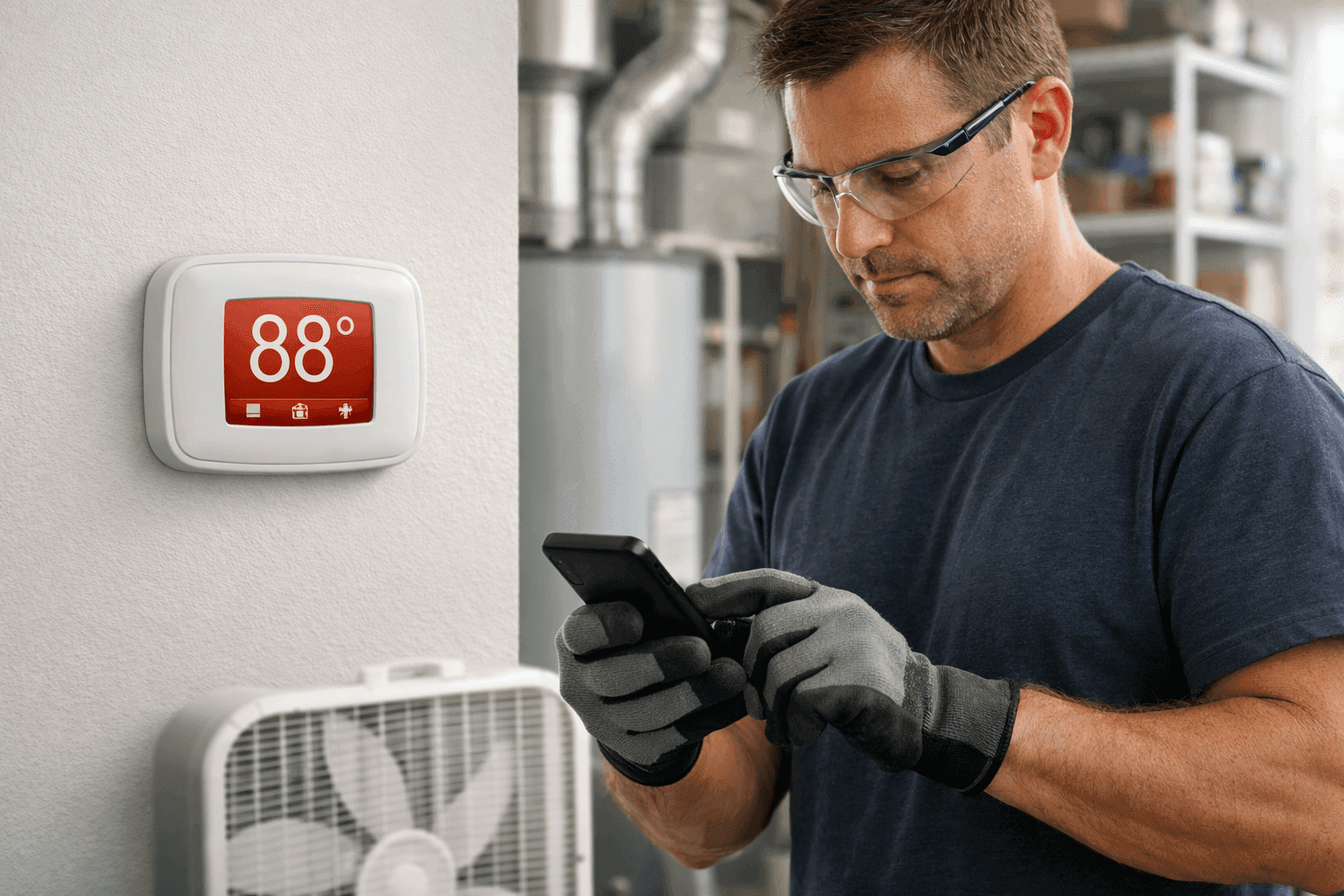
When the sun is relentless and the air feels thick as soup, your air conditioner is more than a comfort—it's a lifeline. But what happens when it sputters, coughs, and quits right in the middle of a heat wave? That sinking feeling is real. At Matlock HVAC, we know how overwhelming this can be for families and businesses alike.
Heat waves can push your cooling system to its limits. Whether you’re at home or running a busy office, losing AC isn’t just inconvenient. It can be downright dangerous. Here’s how to keep your cool—literally and figuratively—when your AC fails on the hottest days.
Health and Safety Risks of AC Failure in Heat 🥵
When the AC stops, the temperature inside can climb fast—sometimes faster than you’d expect. The CDC warns that heat-related illnesses like heat exhaustion and heat stroke can develop quickly, especially for children, seniors, and people with chronic health conditions. Pets are also at risk.
Watch for these warning signs:
- Dizziness or fainting
- Rapid heartbeat
- Nausea or vomiting
- Headache or confusion
- Heavy sweating or, in severe cases, skin that feels hot but dry
If anyone in your home or building shows these symptoms, move them to a cooler place, offer water, and seek medical help immediately.
Immediate Actions to Take
First things first: don’t panic. Think of your home like a cooler—your goal is to keep the cold in and the heat out.
- Close blinds and curtains to block direct sunlight.
- Turn off unnecessary lights and electronics—they generate heat.
- Open windows only if it’s cooler outside than inside, usually in the evening or early morning.
- Use fans to circulate air, but don’t expect them to lower the temperature. Fans help sweat evaporate, making you feel cooler.
- Stay hydrated. Drink water regularly, even if you’re not thirsty.
- Move to the lowest level of your home or building—heat rises.
- Wear lightweight clothing and avoid strenuous activity.
If you have a whole-house fan or portable dehumidifier, this is the time to use it. But avoid using the oven or stove.
Assessing the Situation: Should You Try to Fix It?
Not all AC failures are catastrophic. Sometimes, the solution is as simple as a tripped breaker or a clogged filter.
Before you call for help, check:
- Is the thermostat set to “cool” and the temperature below the current room temp?
- Has a circuit breaker tripped?
- Is the air filter dirty or clogged?
- Are the outdoor unit’s coils blocked by debris?
If these quick checks don’t solve the problem, resist the urge to tinker further. Modern HVAC systems are complex. DIY repairs can cause more harm than good, and may even void your warranty.
When to Call Emergency Service
If your AC is still out and the temperature is climbing, it’s time to call for help—especially if someone in your home is vulnerable to heat.
Some situations demand immediate action:
- Inside temperatures above 85°F for extended periods
- Any signs of electrical burning, smoke, or unusual noises
- Water leaking from the AC unit
- Complete loss of power to the system
For urgent problems like these, 24 hour emergency service is available from Matlock HVAC. Don’t wait until morning if the situation feels unsafe.
Common Mistakes to Avoid
It’s tempting to try every trick in the book, but some “quick fixes” can do more harm than good.
- Don’t run the AC if it’s making strange noises or smells burnt. This could be a sign of electrical failure.
- Don’t use extension cords to power window units. This can overload circuits and create a fire hazard.
- Don’t pour water on the outdoor unit. It won’t cool it down and may cause damage.
Stick to safe, simple steps and leave the rest to the pros.
How the Pros Handle Emergency AC Calls
When a Matlock HVAC technician arrives, they’ll quickly assess the situation. Our team follows industry safety codes, including guidelines from the Air Conditioning Contractors of America (ACCA) and local building codes.
Here’s what you can expect:
- A thorough inspection of your system, inside and out
- Testing electrical connections and refrigerant levels
- Checking for clogs, leaks, or worn-out parts
- Honest recommendations—no unnecessary upsells
We come prepared with the tools and parts needed for most repairs on the spot.
Protecting Indoor Air Quality During a Heat Wave
When your AC is down, indoor air quality can suffer. Stagnant air, increased humidity, and lack of filtration can make things worse. Consider portable air scrubbers or humidifiers near you if you have allergies or respiratory concerns.
If you’re worried about air quality, Matlock HVAC also offers AC repair and IAQ testing to help keep your environment safe and comfortable.
Seasonal Considerations and Local Support
Extreme heat isn’t just a summer problem. Spring and fall can bring unexpected spikes, especially in areas with unpredictable weather. If you’re searching for reliable HVAC in Gilbert, you’ll find local Gilbert HVAC support available for residential and commercial needs.
Preventing Future AC Breakdowns
An ounce of prevention is worth a pound of sweat. Regular maintenance keeps your system running efficiently and helps catch small problems before they become emergencies.
- Schedule annual AC maintenance with a licensed technician.
- Change filters regularly—every 1–3 months, depending on usage and air quality.
- Keep outdoor units clear of debris and vegetation.
- Test your thermostat at the start of each season.
Professional maintenance isn’t just about preventing breakdowns. It keeps your system running safely, efficiently, and for years longer.
How Long Will Repairs Take?
Most emergency repairs can be completed within a few hours, but it depends on the issue and parts availability. If a major component needs replacing, your technician will explain the timeline and options.
What Can You Do While Waiting?
While help is on the way, focus on safety and comfort:
- Move vulnerable people and pets to cooler areas
- Use fans and cool washcloths
- Stay hydrated and take breaks from the heat
Avoid opening the fridge repeatedly—think of it as a mini safe zone for your perishables.
Is It Time for a New AC?
If your system is over 10–15 years old and repairs are becoming frequent, it may be time to consider replacement. Newer systems are more efficient and reliable, and may even improve your indoor air quality and comfort.
The Role of Generators and Backup Power
Power outages and AC failures often go hand-in-hand during severe weather. Consider installing a generator or scheduling generator maintenance to keep essentials running when the grid is stressed.
The Value of Professional AC Maintenance
Routine checkups catch worn parts, refrigerant leaks, and airflow issues before they cause a total breakdown. It’s like changing the oil in your car—small efforts now prevent big headaches later.
Final Thoughts: Your Comfort and Safety Matter
A failed AC during a heat wave is more than an inconvenience. It’s a safety issue that deserves prompt, professional attention. Matlock HVAC is here to help, day or night, so you can keep your family, employees, and customers safe—no matter how high the mercury climbs.
Call Matlock HVAC now — or reach us anytime at 844-484-6545 .