What Is Geothermal Heating & Cooling?
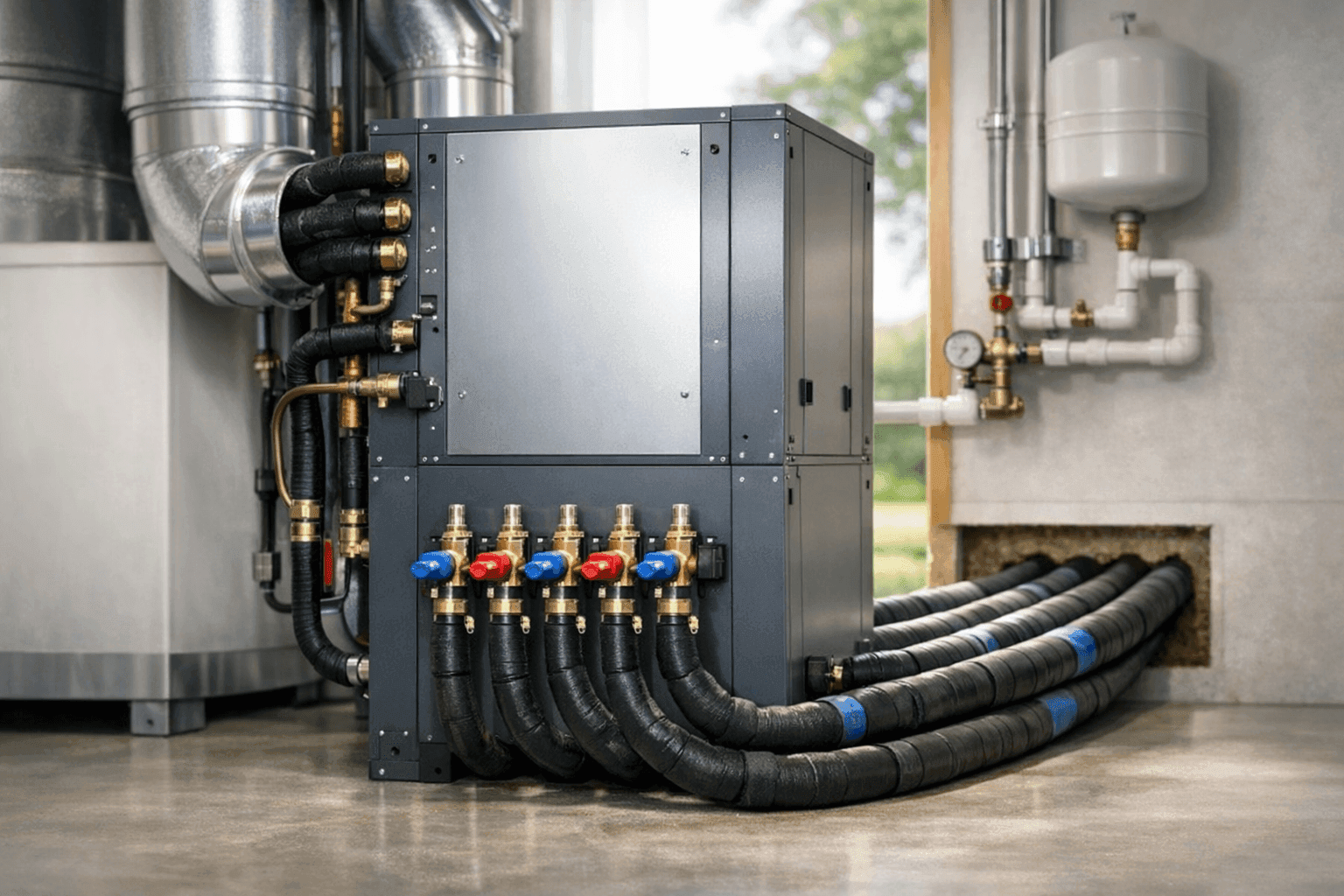
When winter bites or summer scorches, finding a reliable way to keep your home or business comfortable is a must. But what if the answer has been right under your feet all along? Geothermal heating and cooling isn’t just a buzzword—it’s a practical solution that taps into the steady temperature below the earth’s surface.
At Matlock HVAC, we know the science can sound intimidating. But the truth is, geothermal is more down-to-earth than you might think. Let’s dig into how it works, what it costs, and whether it’s a smart fit for your property.
How Geothermal HVAC Works 🌎
Imagine the earth as a giant battery. Just a few feet below the surface, the ground holds a nearly constant temperature year-round—warmer than the air in winter, cooler in summer. Geothermal systems use this natural energy reservoir.
A geothermal heat pump moves heat between your building and the ground. In winter, it pulls warmth up from below. In summer, it sends heat back into the earth. It’s like swapping coats with the ground, depending on the season.
Types of Geothermal Systems
Not all geothermal systems are created equal. Here’s a quick breakdown:
- Closed-Loop Systems: Pipes filled with fluid circulate underground. These loops can be horizontal (spread out in trenches) or vertical (drilled deep into the earth). For tight spaces, vertical is common.
- Open-Loop Systems: Use groundwater from a well, pumping it through the system and returning it to the ground.
- Pond/Lake Loops: If you have a suitable body of water, coils can be placed at the bottom.
Each type fits different properties, soil types, and space requirements. Closed-loop is most common for homes and businesses.
Energy Efficiency and Cost Savings
Here’s where geothermal shines. It’s one of the most energy-efficient HVAC options available. The U.S. Department of Energy reports that geothermal heat pumps use up to 65% less energy than traditional HVAC systems. That’s like trading in a gas guzzler for a hybrid.
- Lower Utility Bills: Expect to save on heating, cooling, and even hot water costs.
- Stable Operating Costs: Electricity powers the system, but the ground does most of the work.
- Tax Credits & Incentives: Many areas offer rebates for geothermal installation—check local codes and the ENERGY STAR program for details.
While upfront costs are higher than standard systems, the payback in energy savings is real. Over time, those monthly utility savings add up, helping offset the initial investment.
Maintenance and Longevity 🔧
Worried about upkeep? Geothermal systems are like the tortoise in the HVAC race—slow, steady, and built to last.
- Fewer Moving Parts: Most equipment is indoors or buried, protected from weather.
- Long Lifespan: Underground loops can last 50+ years. Heat pumps typically last 20–25 years.
- Simple Maintenance: Regular filter changes, annual checkups, and occasional loop inspections keep things running smoothly.
Following manufacturer guidelines and local building codes helps ensure safe, efficient operation.
Who Should Consider Geothermal?
Geothermal isn’t a one-size-fits-all solution. It works best when:
- You want long-term savings, not just a quick fix.
- You own the property and plan to stay for years.
- You have enough land for loops (or access to a well or pond).
- You’re building new or replacing an old HVAC system.
Geothermal can be installed in both homes and commercial buildings. The key is a site evaluation—soil conditions, space, and existing systems all play a role. If you’re considering geothermal heating and cooling, a professional assessment is the first step.
The Science Behind Geothermal
Think of the earth as a giant thermos. Just below the frost line, the temperature stays around 50–60°F (10–16°C) year-round. Geothermal heat pumps use this stable zone as a heat source in winter and a heat sink in summer.
The system circulates a water-based solution through buried pipes. In heating mode, the fluid absorbs warmth from the ground and brings it inside. In cooling mode, it reverses—pulling heat from your building and sinking it back into the earth.
This transfer is efficient because the ground’s temperature doesn’t swing wildly like the air above. It’s a bit like swimming in a spring-fed lake—always refreshing, never freezing.
Installation Process: What to Expect
Installing geothermal takes planning and precision. Here’s a simplified roadmap:
- Site Evaluation: Soil testing, space assessment, and utility checks.
- System Design: Choosing loop type, heat pump size, and indoor components.
- Drilling or Trenching: Installing the ground loop—either vertically or horizontally.
- Connecting the Dots: Linking loops to the indoor heat pump and ductwork.
- Testing & Commissioning: Ensuring everything runs safely and efficiently.
Professional installation is essential. Trained technicians follow safety codes, handle refrigerants safely, and ensure your system meets local regulations. For a seamless HVAC installation, working with certified pros makes all the difference.
Common Misconceptions About Geothermal
- “It only works in warm climates.” False. The ground stays consistent even in cold regions.
- “It’s too expensive.” Upfront costs are higher, but long-term savings and incentives help balance the scales.
- “You need a huge yard.” Vertical loops fit in small spaces; even urban lots can qualify.
- “Maintenance is a headache.” With fewer outdoor components, maintenance is often simpler than traditional systems.
Site Requirements and Considerations
Not every property is a perfect match. Here’s what matters:
- Space: Horizontal loops need more land; vertical loops need drilling access.
- Soil Conditions: Rocky or sandy soils might affect installation methods.
- Water Availability: Open-loop systems require a reliable well or water source.
- Existing Infrastructure: Retrofitting older buildings can be more complex but is possible with proper planning.
A professional assessment will weigh these factors and recommend the best approach.
Safety Checklist for Geothermal Systems ✅
- Confirm all work follows local building and electrical codes.
- Ensure proper insulation on all underground piping.
- Test pressure and flow rates before commissioning.
- Use only certified, non-toxic antifreeze solutions in loops.
- Schedule annual checks for leaks, pressure, and system performance.
Refer to resources like the International Ground Source Heat Pump Association (IGSHPA) for more technical guidance.
DIY vs. Professional Installation
Geothermal isn’t a weekend project. Specialized equipment, drilling, and refrigerant handling require trained hands. Mistakes can be costly—or even dangerous.
- Pros handle: Soil testing, safe trenching/drilling, code compliance, system balancing, and warranty protection.
- DIY risks: Leaks, poor efficiency, safety hazards, code violations.
Leave geothermal to the pros for peace of mind and performance.
When to Call an Expert
If your heating or cooling bills are climbing, or your current system is aging out, it might be time to explore new options. Seasonal changes can also highlight inefficiencies—if you notice uneven temperatures or rising humidity, geothermal could be a solution.
For those seeking Spokane HVAC services, local support is available for both residential and commercial projects.
Timeline & Disruption: What’s Realistic?
A typical geothermal installation can take anywhere from a few days to two weeks, depending on site complexity and weather. Expect some digging or drilling, but most disruption is short-term. Once installed, the system operates quietly and efficiently out of sight.
Signs of Trouble: When Geothermal Needs Attention
- Sudden loss of heating or cooling
- Unexplained spikes in energy bills
- Water leaks near the indoor unit
- Unusual noises or system alarms
Most issues are rare but can be quickly addressed with routine maintenance and prompt service calls.
Seasonal Considerations
Geothermal systems shine year-round but may need extra attention before major seasonal shifts. Schedule a spring and fall checkup to keep everything running smoothly. This is also a great time to update filters and test thermostats, especially if you use additional equipment like humidifiers or air scrubbers.
Geothermal vs. Traditional HVAC: The Big Picture
- Efficiency: Geothermal outpaces most conventional systems.
- Lifespan: Underground loops last decades; heat pumps outlive many furnaces or AC units.
- Comfort: Consistent temperatures, fewer drafts, and better humidity control.
- Environmental Impact: Lower emissions and smaller carbon footprint.
Is Geothermal Right for You?
Geothermal isn’t just for eco-enthusiasts. It’s for anyone looking to lower bills, increase comfort, and invest in long-term property value. If you’re curious, start with a site assessment and a conversation with a qualified HVAC contractor.
Ready to talk about geothermal or other HVAC solutions? Call Matlock HVAC now — or reach us anytime at 844-484-6545 .