Top Signs Your AC Needs Immediate Professional Repair
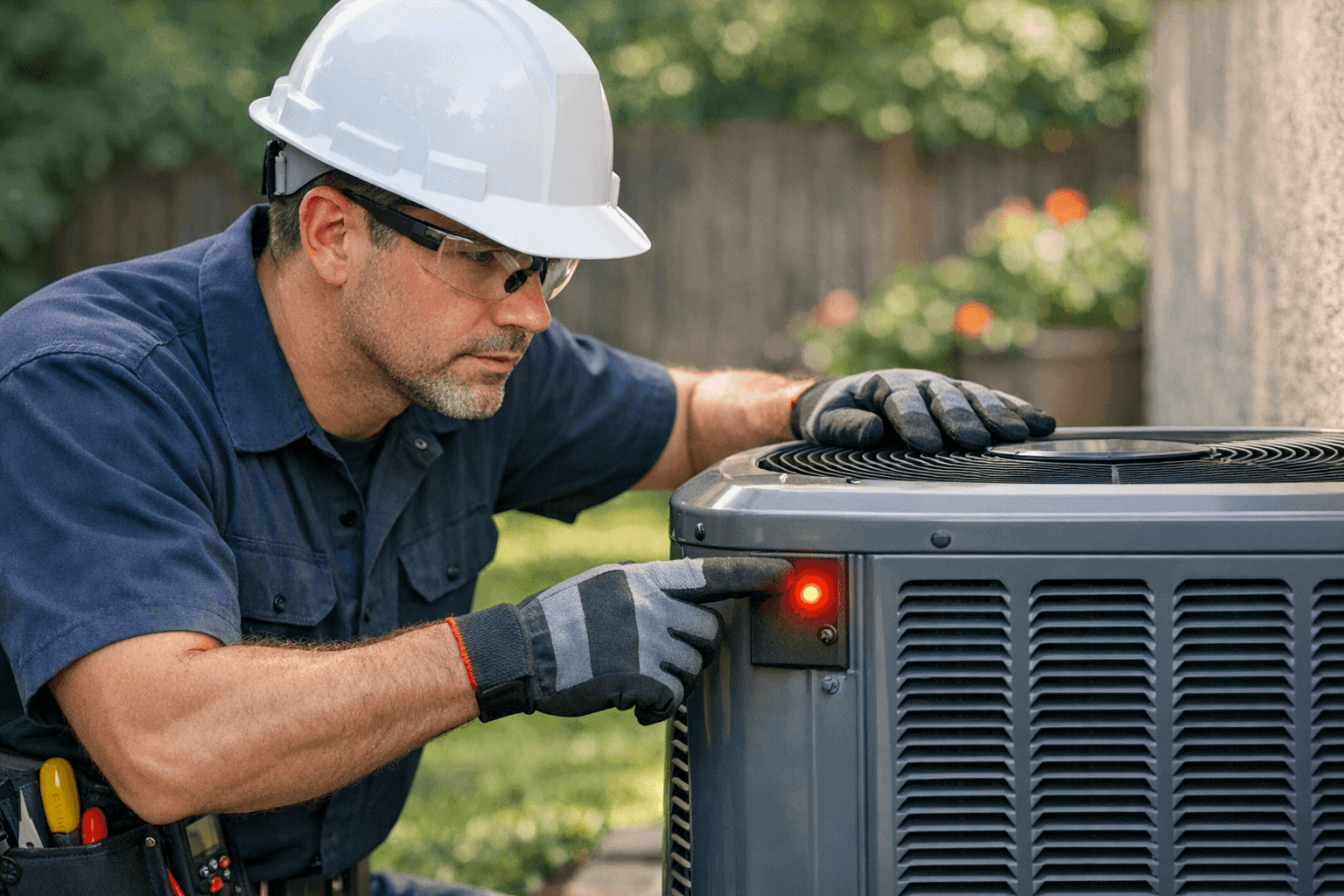
When the summer heat hits hard, your air conditioner becomes more than just a comfort—it's a lifeline. But what happens when your AC starts acting up out of nowhere? Ignoring those early warning signs can turn a minor hiccup into a full-blown emergency.
At Matlock HVAC, we know how quickly a small problem can snowball into a costly disaster. Whether you’re keeping your family cool or your business running smoothly, fast action is crucial for safety and comfort.
Common Emergency AC Symptoms
Some AC issues are like a dripping faucet—annoying but not urgent. Others are red flags waving furiously, demanding your attention now. Here’s what to watch for:
- No cold air at all: If your system is running but only blowing warm air, your compressor could be in trouble.
- Strange noises: Grinding, banging, or screeching sounds can signal major mechanical problems inside your HVAC.
- Electrical burning smell: This can mean wiring issues or motor failure—never ignore this one.
- Sudden, unexplained shutdowns: If your AC keeps turning off on its own, it might be overheating or have a dangerous electrical fault.
- Leaking or pooling water: Excess moisture isn’t just messy—it can damage your property and promote mold.
- Ice on coils or lines: Frost buildup usually means airflow or refrigerant problems.
Think of your AC like a car. If the check engine light is on, you don’t just keep driving. The same logic applies here.
Why Prompt Repairs Matter ⚡
Delaying repairs can turn a simple fix into a major headache. A malfunctioning AC can:
- Damage sensitive components: A worn belt or loose part can wreck your compressor or fan motor.
- Spike your energy bills: Faulty systems work harder, using more electricity for worse results.
- Threaten your health: Poor cooling can lead to heat stress. Humidifiers near you won’t help if your AC isn’t working.
- Risk electrical fire: Faulty wiring or overheated motors can be a real hazard.
- Invite mold growth: Moisture from leaks or excess humidity becomes a breeding ground for mold and bacteria.
According to the American Society of Heating, Refrigerating and Air-Conditioning Engineers (ASHRAE), timely maintenance and repair are critical for system safety and efficiency.
Immediate Steps to Take
If your AC is showing any emergency symptoms, don’t panic. Here’s what you should do:
- Turn off the system: Prevent further damage or safety risks by shutting it down at the thermostat.
- Check your breaker: Sometimes a tripped breaker is the culprit. Reset it, but if it trips again, leave it off.
- Clear the area: Make sure nothing is blocking the vents or condenser unit outside.
- Don’t open the unit: Leave any electrical or mechanical repairs to a licensed pro. DIY fixes can void warranties and pose safety risks.
- Call for professional help: Reach out to a qualified AC repair technician who understands the urgency.
If you notice smoke, a burning smell, or hear loud electrical popping, exit the area and call emergency services before contacting an HVAC technician.
When Is It a Real Emergency?
Not every cooling issue is a five-alarm fire. But some situations are truly urgent:
- Total loss of cooling during a heatwave
- Medical conditions relying on climate control
- Electrical smells or visible sparks
- Rapidly spreading leaks or water near outlets
If your comfort or safety is at risk, don’t hesitate to use a 24-hour emergency service. Sometimes, waiting even an hour is too long.
What to Expect When the Pros Arrive 🛠️
A seasoned HVAC technician arrives ready for anything. They’ll:
- Inspect all critical components: compressor, fan, coils, and electrical connections.
- Test for refrigerant leaks, airflow issues, or faulty thermostats.
- Follow safety codes set by the International Mechanical Code (IMC) and the EPA.
- Offer a clear estimate before beginning repairs.
They’ll never cut corners. Your safety and the long-term health of your AC come first.
DIY Fixes vs. Professional Repairs
It’s tempting to grab a tool and tinker, especially if you’re handy. But with AC systems, mistakes can be costly—or even dangerous. Quick filter swaps or clearing debris are fine. For anything involving refrigerant, wiring, or mechanical failure, always call in the pros.
Safety Checklist Before Service
Before the technician arrives, you can:
- Switch off the thermostat and breaker.
- Move pets and valuables clear of work areas.
- Gather any maintenance records or warranty info.
- Make note of all symptoms, even if they seem minor.
These steps help your technician diagnose the problem faster and safer.
Seasonal Considerations: Peak Summer vs. Off-Season
Air conditioners are most likely to fail during the hottest days—exactly when you need them most. Regular spring and fall AC maintenance can reveal hidden issues before they become emergencies.
If you’re reading this and the temperature’s rising, don’t wait for a breakdown. Preventative care matters.
FAQ: Your Emergency AC Questions Answered
Q: Should I keep running my AC if it’s making noise?
A: No—turn it off and call for help. Strange sounds can mean major trouble.
Q: Is a leaking AC always an emergency?
A: Not always, but if water is pooling near electrical outlets or damaging your property, treat it as urgent.
Q: Can I fix refrigerant issues myself?
A: No. Refrigerant handling requires certification and is governed by strict EPA rules.
Common Mistakes That Make Things Worse
- Ignoring early warning signs
- Resetting the breaker multiple times
- Adding refrigerant without fixing leaks
- Blocking vents or covering the condenser
- Skipping annual maintenance
Avoid these pitfalls to keep your system running strong.
How to Prevent Future AC Emergencies 🌱
An ounce of prevention is worth a ton of repair bills. Here’s how to protect your comfort:
- Schedule annual maintenance—ideally before summer starts.
- Change filters regularly (every 1–3 months).
- Keep outdoor units clear of debris and plants.
- Don’t ignore odd sounds or smells.
- Invest in quality thermostats to avoid erratic cycling.
ASHRAE and the EPA both emphasize the value of routine checks and prompt repairs for long-term efficiency.
Local Help—When Minutes Matter
Sometimes, getting help fast is the difference between a quick fix and a week of misery. If you’re local, AC professionals in Jackson are available for urgent support when you need it most.
The Timeline: What to Expect
- Within minutes: Call is logged; a technician is dispatched.
- Within hours: Diagnostics and safety checks at your home or business.
- Same day: Most emergency repairs are completed, keeping your space safe and cool.
Some parts may require special order, but most emergencies are handled on the spot.
Keeping Your AC—and Peace of Mind—All Year
Remember: your AC is an investment in comfort and safety. Treat it with care, and it’ll pay you back with years of trouble-free service. If you spot the warning signs early, and act fast, you can avoid the misery of a mid-summer breakdown.
Call Matlock HVAC now — or reach us anytime at 844-484-6545 .