The Ultimate Guide to HVAC Filters: Types and Ratings
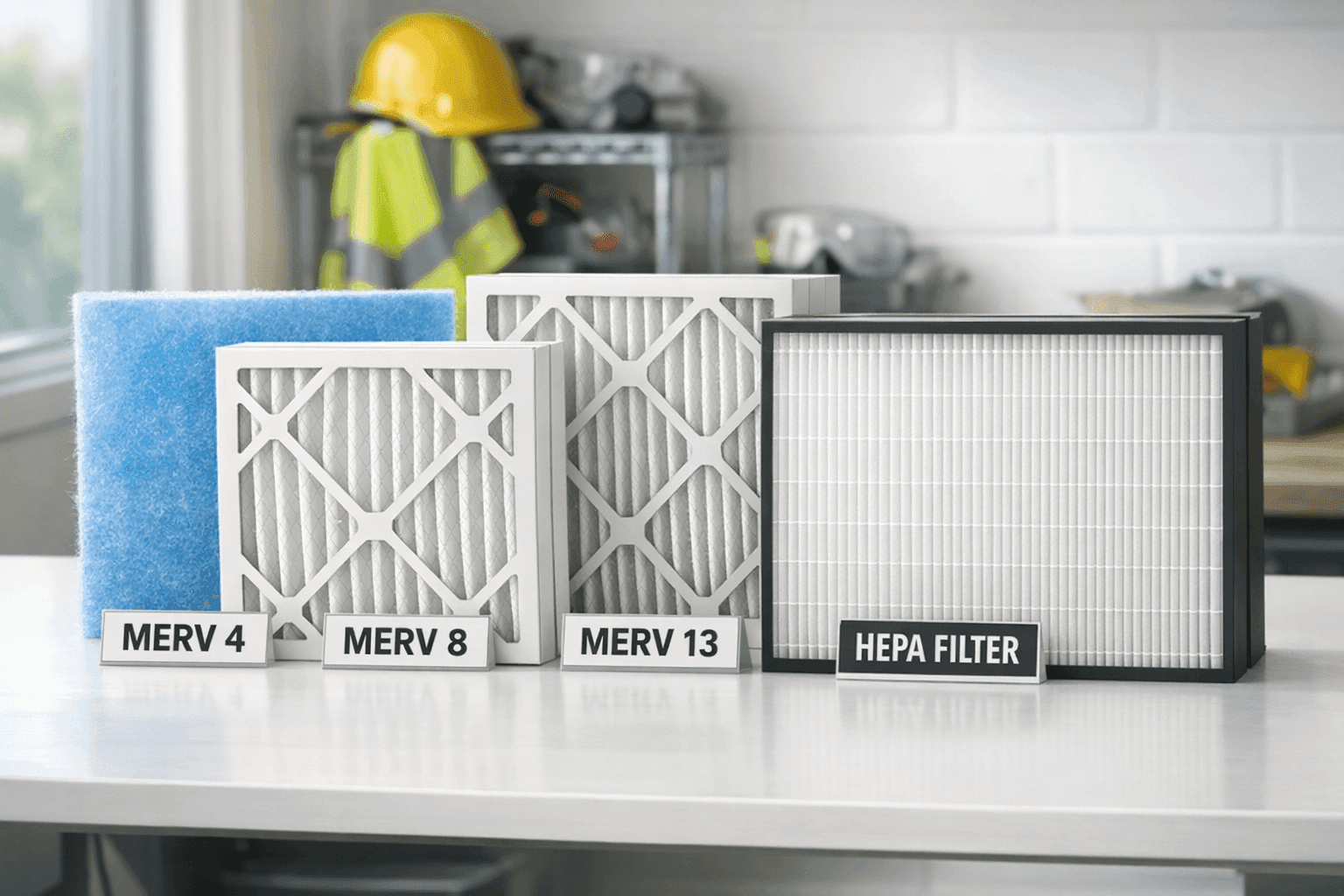
Keeping the air inside your home or business clean isn’t just about comfort—it's about health, safety, and the lifespan of your HVAC system. At Matlock HVAC, we know the world of filters can be a maze of confusing labels and choices. But with the right guidance, even the most technical filter talk becomes as clear as a sunny day.
It’s not just about swapping out a dusty panel every few months. The right filter makes all the difference between breathing easy and endless sneezing, between a smooth-running system and a constant headache of repairs. Let’s break it down, step by step.
Types of HVAC Filters: What’s in the Air? 🌀
Every HVAC filter has one simple job: catch unwanted stuff before it floats through your building. But not all filters are created equal.
- Fiberglass Filters: The classic. Thin, disposable, and wallet-friendly. Think of these like the basic coffee filter of the HVAC world—good for catching bigger debris, not much else.
- Pleated Filters: Imagine an accordion—more surface area, more power. Pleated filters trap smaller particles and last longer than fiberglass.
- HEPA Filters: The heavy lifters. High Efficiency Particulate Air (HEPA) filters are designed to grab the tiniest invaders—pollen, smoke, even bacteria. They’re a must in hospitals and perfect for anyone with serious allergies.
- Washable Filters: Reusable and eco-friendly. You clean them instead of tossing them, but they need regular TLC to keep working well.
- Electrostatic Filters: Use static electricity to catch dust. Some are disposable, others washable. These can be a sweet spot for homes with pets or smokers.
- Activated Carbon Filters: These specialized filters handle odors and chemicals. Think of them as the charcoal in your water pitcher—great for smells, not for dust.
Not sure which is right for you? Don’t worry. We’ll help you match your needs to the right filter type below.
Understanding Filter Ratings: MERV, HEPA, and More
Ever noticed the alphabet soup of ratings on filter packaging? Here’s what it all means.
MERV Ratings: The Standard Gauge
- MERV stands for Minimum Efficiency Reporting Value. The higher the number (1–16 for residential/commercial), the more particles it catches.
- MERV 1-4: Basic protection—large dust, lint, pollen.
- MERV 5-8: Better at trapping mold spores, pet dander.
- MERV 9-12: Filters out auto emissions, lead dust, even some bacteria.
- MERV 13-16: High-performing. Grabs tobacco smoke, fine allergens, and more—often used in hospitals and clean rooms.
ASHRAE, the American Society of Heating, Refrigerating and Air-Conditioning Engineers, sets these standards. For most homes, MERV 8–11 is a solid choice. For sensitive environments, go higher.
HEPA Ratings: The Gold Standard
- HEPA filters must trap 99.97% of particles 0.3 microns in size. That’s smaller than most bacteria!
- Used in cleanrooms, labs, and for medical-grade air.
But remember: HEPA filters are so thick they can strain some HVAC systems if not designed for them.
Other Ratings
- CADR (Clean Air Delivery Rate): Measures how quickly a filter cleans air in a space (usually for portable air cleaners).
- ULPA (Ultra-Low Penetration Air): Even stricter than HEPA, but rare in regular buildings.
Matching the Right Filter to Your Needs
Choosing a filter isn’t just about what’s on sale. It’s about your space, your system, and your health.
Ask yourself:
- Do you have allergies or asthma?
- Pets? Smokers?
- Live in a dusty or urban area?
- Run your AC or furnace a lot?
For most homes:
- Pleated filters with a MERV 8–11 rating balance air quality and system efficiency.
For sensitive environments:
- HEPA or high-MERV filters may be best—if your system is compatible.
For businesses and commercial spaces:
- Regulations may dictate the minimum filter rating—often MERV 13 or higher for healthcare, for example.
Always check your HVAC system's manual or ask a pro if you're unsure. Pushing your system with a too-thick filter can be like running a marathon with a stuffy nose—inefficient and potentially damaging.
Interested in custom recommendations for your building? Explore our HVAC filter solutions for tailored options.
Maintenance and Replacement Tips 🛠️
The best filter in the world won’t help if it’s clogged and forgotten. Here’s how to keep your air clean, year-round.
- Check filters every month. Especially during heavy use (summer and winter).
- Replace disposable filters every 1–3 months. More often with pets, smokers, or lots of foot traffic.
- Wash reusable filters according to the manufacturer’s directions. Let them dry completely before reinstalling.
- Mark your calendar or set a phone reminder. Out of sight, out of mind is the enemy of good air.
A dirty filter isn’t just a health risk—it makes your HVAC system work harder, wasting energy and shortening its lifespan. According to ENERGY STAR, regular filter changes can lower your system’s energy use by up to 15%.
Common Mistakes with HVAC Filters
It’s easy to slip up. Here are pitfalls we see all the time:
- Buying the cheapest filter every time. Sometimes, you get what you pay for.
- Choosing a filter with a MERV rating too high for your system. More is not always better—your system needs to breathe.
- Forgetting regular replacement. Even the best filter is useless if left untouched for months.
- Incorrect filter size. A filter that’s too small or too large leaves gaps—think of rain leaking in around a window that doesn’t quite fit.
Signs Your Filter Needs Attention
Don’t wait for trouble. Watch for:
- Dust buildup around vents.
- Strange smells or stuffy air.
- Allergy symptoms flaring up indoors.
- HVAC system running longer, or cycling on and off more often.
If you notice any of these, check your filter right away. Sometimes, a simple change makes all the difference.
DIY vs. Call a Pro: When to Handle Filters Yourself
Most homeowners can replace standard filters with a few simple steps. But certain situations call for backup:
- Unsure about filter placement or size.
- Need to upgrade to HEPA or high-MERV filters.
- Noticing repeated airflow or air quality issues.
- Running a commercial or specialty system.
In these cases, professional help keeps things safe and efficient—and can spot issues before they become expensive repairs.
Filter Safety Checklist
Before you tackle your filter:
- Turn off your HVAC system.
- Double-check the size and type before buying a replacement.
- Follow all manufacturer instructions.
- Dispose of old filters safely. (Bag them up to avoid spreading dust.)
If you’re dealing with mold, heavy debris, or suspect damage, don’t risk it. Call in a pro who’s trained for safe handling.
Seasonal Considerations for Filter Changes 🍂
Life changes with the seasons—and so do your filter needs.
- Spring brings pollen and new dust. Check filters before allergy season hits.
- Summer’s heavy AC use means filters get clogged faster.
- Fall can bring leaves, mold spores, and more.
- Winter? Heating systems run long hours, so filters collect extra dust.
In places like Paradise, NV, where temperature swings can be dramatic, adjusting your maintenance schedule with the seasons helps keep your indoor air fresh and your system happy.
Air Quality Beyond Filters: A Bigger Picture
Filters are a crucial part of the puzzle, but don’t forget the rest.
- Humidifiers near you can help balance moisture, making filters work better.
- Dehumidifiers keep mold and mustiness at bay.
- Air scrubbers and advanced IAQ testing offer peace of mind, especially in sensitive spaces.
Matlock HVAC offers full indoor air quality solutions for both homes and businesses. That means everything from filter upgrades to duct cleaning and energy audits.
When It’s an Emergency: Fast Action Matters
Sometimes, a clogged or collapsed filter turns into a full-blown crisis—no airflow, overheating, even system damage. If your HVAC system suddenly stops working, makes odd noises, or you smell burning, act fast. Turn off your system and inspect your filter immediately.
If it's outside regular hours or you can’t resolve the problem, Matlock HVAC provides reliable 24-hour emergency service. Delaying can turn a minor fix into a major headache.
Frequently Asked Questions
Can I just vacuum my filter?
It’s tempting, but most disposable filters aren’t designed for it. You’re likely to damage the filter or leave behind particles. Always follow manufacturer directions.
How do I know my filter is installed right?
Look for arrows on the filter frame—these show airflow direction. Make sure they point toward the blower.
What if my filter looks clean, but it’s old?
Even if it looks okay, filters lose effectiveness over time. Stick to a schedule.
Final Thoughts: Breathe Easy with the Right Filter
The right HVAC filter is your best defense against dust, allergens, and system breakdowns. Whether you’re running a cozy home or a busy commercial space, a few minutes of filter care pays off in cleaner air and lower bills.
For questions about selecting, installing, or maintaining your HVAC filters, the team at Matlock HVAC is ready to help. We’re here to make indoor air quality simple and stress-free.
Call Matlock HVAC now — or reach us anytime at 844-484-6545 .