The Top Benefits of a Professional Home Energy Audit
Is your home always too hot, then suddenly too cold? Do your utility bills make you do a double-take every month? You’re not alone. Many homes and businesses deal with uncomfortable rooms, drafty corners, or rising costs—and the culprit often hides in plain sight.
At Matlock HVAC, we help people pinpoint those hidden problems. A professional home energy audit isn’t just another checklist. It’s a smart investment that brings clarity, comfort, and control to your indoor environment.
What Is a Home Energy Audit? 🏠
Think of a home energy audit as a wellness checkup for your building. Instead of a stethoscope, your technician uses tools like blower doors, infrared cameras, and airflow meters. The goal? To track down energy “leaks” and inefficiencies that drain your wallet and disrupt your comfort.
A home energy audit goes beyond a quick walk-through. It’s a step-by-step process that looks at the entire house as a system—HVAC, insulation, windows, even appliances. Each detail matters, from the draft under your door to the way your thermostat cycles on and off.
How Audits Identify Problems
Imagine your home is a boat. Even small gaps or cracks—around windows, ducts, or attic hatches—are like leaks that let valuable heated or cooled air escape. During an audit, our technicians:
- Inspect insulation levels in attics, walls, and crawl spaces
- Test for air leaks using specialized fans (blower door test)
- Examine ductwork for holes, disconnects, and blockages
- Check HVAC performance, filters, and airflow
- Assess windows and doors for drafts or poor sealing
- Review past utility bills for patterns or sudden spikes
We also evaluate indoor air quality (IAQ), as issues like humidity or airborne particles can signal ventilation problems or filter issues. According to the Department of Energy, addressing these hidden inefficiencies can cut energy bills by up to 30%.
Cost and Comfort Benefits
A home energy audit is like turning on the lights in a dark room—you suddenly see where your energy is slipping away. The benefits quickly add up:
- Lower utility bills: Sealing leaks and upgrading insulation means your HVAC system (and your budget) work less.
- Improved comfort: No more cold floors in winter or stifling upstairs bedrooms in summer.
- Better indoor air quality: Addressing humidity, dust, and ventilation keeps your family healthier and your HVAC running smoother.
- Longer equipment life: When your system doesn’t have to work overtime, it lasts longer and needs fewer repairs.
- Smarter upgrades: You’ll know exactly where to invest—whether it’s new filters, humidifiers near you, or targeted duct sealing—instead of guessing and hoping for the best.
Key Signs You Need an Energy Audit
Not sure if your home or office needs an audit? Watch for these telltale clues:
- Rooms that are always too hot or too cold
- Drafts, especially near windows and doors
- Rising energy bills with no clear cause
- Stale air, persistent odors, or visible mold
- HVAC systems that run constantly or short-cycle
- Dust buildup or allergy symptoms
Even newer buildings can develop hidden problems over time—wear and tear, shifting insulation, or aging ductwork can all take their toll.
What Happens During the Audit?
When you schedule an appointment, our team arrives with a toolkit tailored for detective work. Here’s what to expect:
- Initial walkthrough: We’ll ask about your comfort concerns and review any past repairs.
- Blower door test: This temporarily lowers air pressure inside your home, making it easy to spot leaks.
- Infrared scan: Thermal cameras reveal cold spots or insulation gaps invisible to the naked eye.
- HVAC and duct inspection: We check airflow, filter condition, and connections.
- Moisture and IAQ assessment: Humidity meters and air quality tests help catch hidden health risks.
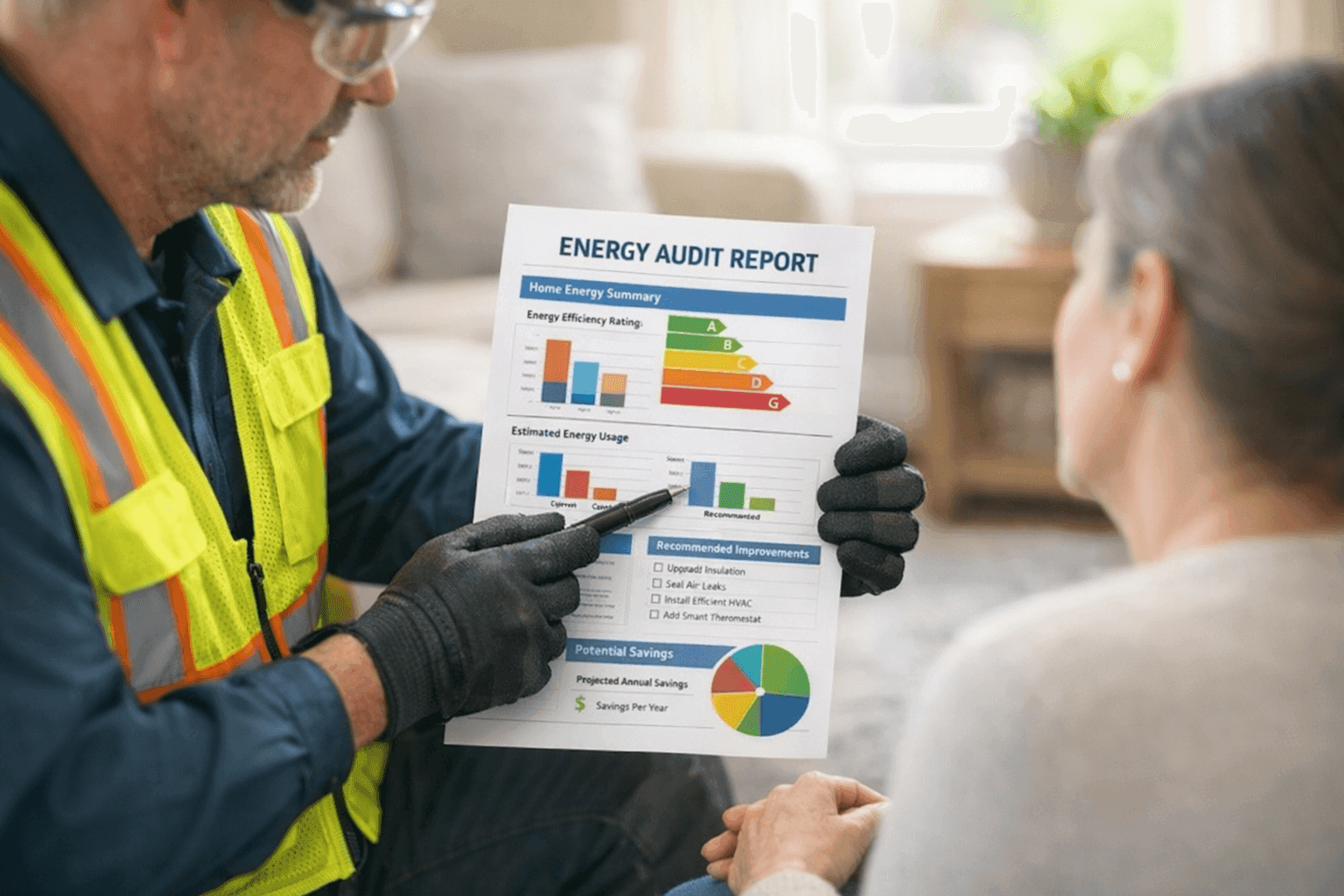
- Detailed report: You’ll receive a clear, prioritized list of improvements with estimated savings and comfort benefits.
Seasonal Considerations for Energy Audits
Timing matters. In winter, drafts and heat loss become painfully obvious. In summer, attic insulation and AC performance take center stage. Scheduling an audit before extreme weather hits can help you prepare and avoid emergency repairs.
If you’re in Grand Island, you’ll be glad to know that our Grand Island team is ready to help year-round with local expertise and fast response times.
Simple Things You Can Do Before and After
You don’t have to wait for an audit to start saving energy. Try these quick tips:
- Replace or clean your HVAC filters regularly.
- Use weatherstripping or caulk to seal obvious drafts.
- Set your thermostat to recommended levels—68°F in winter, 78°F in summer.
- Close fireplace dampers when not in use.
- Make sure air vents aren’t blocked by furniture or rugs.
After your audit, prioritize fixes that offer the biggest return—like sealing ducts, improving insulation, or upgrading to energy-efficient thermostats.
When It’s Time to Call an Expert
Some jobs are just too big, too technical, or too risky to tackle alone. If you face mold, electrical issues, or major HVAC repairs, it’s time to bring in the pros. Certified technicians follow safety codes and know how to spot hidden hazards—protecting your investment and your health.
DIY vs. Professional Energy Audits
A DIY approach can help with minor issues—like feeling for drafts or adding weatherstripping. But only a professional has the tools and training to:
- Diagnose hidden leaks and insulation gaps
- Analyze HVAC performance and airflow
- Measure moisture, humidity, and air quality
- Provide a data-backed plan with real savings estimates
According to ENERGY STAR, professional energy audits lead to more accurate results and better long-term savings than DIY alone.
Common Mistakes Homeowners Make
- Ignoring small drafts or thinking “it’s always been like this”
- Skipping regular HVAC maintenance, which can worsen efficiency problems
- Overlooking attic or crawlspace insulation
- Assuming newer homes don’t need an audit
Quick Safety Checklist
- Replace filters as recommended by your HVAC manufacturer.
- Check smoke and carbon monoxide detectors monthly.
- Keep flammable items away from furnaces, water heaters, and generators.
- Never block air returns or close too many vents.
How Long Does an Audit Take?
Most home energy audits take 2–4 hours, depending on the size and complexity of your property. You’ll get a detailed report the same day or soon after, with actionable steps you can take right away.
Frequently Asked Questions
Q: Will an energy audit disrupt my day?
A: Most audits are done in a single visit, with minimal disturbance. You’ll be able to stay home during the process.
Q: What’s the cost?
A: Prices vary based on home size, but typical audits pay for themselves within a year or two through lower utility bills.
Q: Do I need an audit if I just moved in?
A: Yes—many hidden issues aren’t visible during standard home inspections.
Next Steps After the Audit
Your audit report will outline a clear, step-by-step plan. Focus first on easy, high-impact fixes—like sealing leaks and upgrading insulation. If your system needs deeper repairs or upgrades, our team can help you plan wisely, so every dollar goes farther.
The Long-Term Value of an Energy Audit
An energy audit isn’t just about saving money today. It’s about creating a healthier, more comfortable space for years to come—protecting your investment and your peace of mind. According to the U.S. Department of Energy, even small improvements can boost property values and reduce long-term maintenance costs.
Ready to see real results in your comfort and energy bills? Call Matlock HVAC now — or reach us anytime at 844-484-6545 .