The Role of Sheet Metal in Custom HVAC Solutions
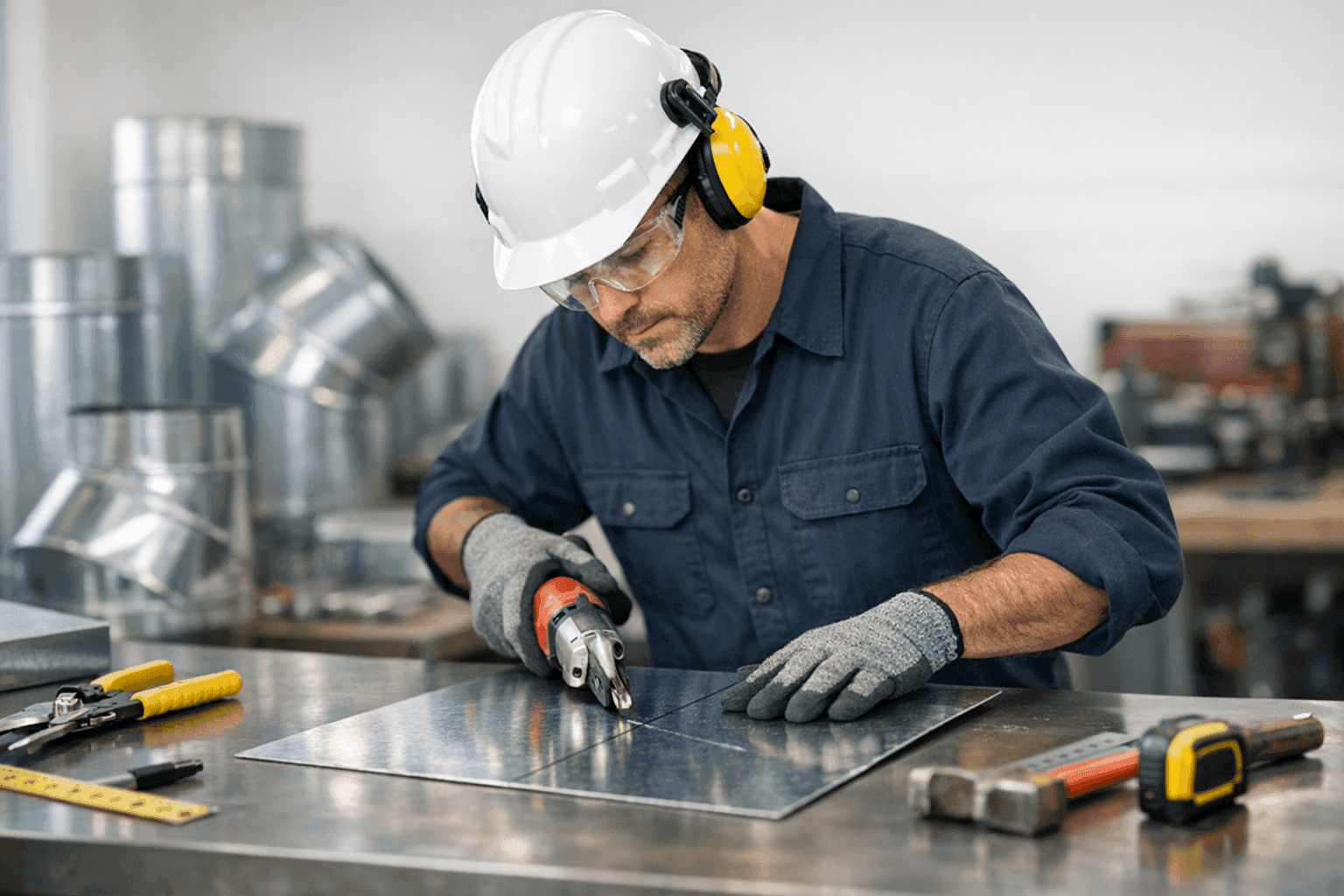
Every home and business is built differently. That means every heating, ventilation, and air conditioning (HVAC) system has its own unique needs, too. You may never see the ductwork hidden behind your walls or ceilings, but it’s the silent driver keeping your indoor air comfortable and clean.
At Matlock HVAC, we know that quality starts at the foundation—and in HVAC, that foundation is often the sheet metal itself. Let’s pull back the curtain and see why custom sheet metal is so essential for the performance and health of your HVAC system.
Why Sheet Metal Matters in HVAC 🛠️
Think of sheet metal as the arteries of your HVAC system. Just as healthy arteries keep blood moving smoothly through your body, well-designed ductwork ensures air moves efficiently, quietly, and safely throughout your property.
Without quality sheet metal, even the best furnace or air conditioner can fall short. Poorly fitted ducts leak air, raise energy costs, and can let in dust, moisture, or even pests. According to the U.S. Department of Energy, up to 30% of the air moving through a duct system is lost due to leaks, holes, and poorly connected ducts. That’s like trying to fill a bucket with a big crack in it.
Custom Ductwork and Fabrication Benefits
No two buildings are alike. Standard, off-the-shelf ducts may not fit your space, leading to awkward bends, noisy airflow, or tight spots that collect dust. Custom sheet metal fabrication allows us to create ductwork that matches your space perfectly—like a tailor-made suit for your building.
What Sets Custom Fabrication Apart
- Better airflow: Smooth, correctly sized ducts mean your HVAC system doesn’t have to work as hard.
- Lower energy bills: Less air loss means more efficient heating and cooling.
- Cleaner indoor air: Fewer gaps and joints help stop dust and allergens from sneaking in.
- Longer system life: Reduced strain on your furnace, AC, or air scrubber.
Custom fabrication is especially important when installing modern systems like mini-splits, radiant heating, or whole-house fans. Each requires precise ductwork to perform at its best.
Sheet Metal Applications in Residential & Commercial Projects
Sheet metal isn’t just about ducts. It’s used in a wide range of HVAC solutions, both big and small.
Residential Uses
- Ductwork for furnaces, AC, and ventilation
- Hood and exhaust installation in kitchens
- Whole-house fan housings
- Custom transitions for humidifiers and dehumidifiers
Commercial and Industrial Uses
- Large-scale ventilation for offices, restaurants, and warehouses
- Complex duct routing for high-ceilinged spaces
- Sheet metal housings for air scrubbers or IAQ testing equipment
- Custom generator housings and exhausts
No job is too big—or too small. Whether you’re upgrading a single-family home or building out a new office complex, Matlock HVAC crafts sheet metal solutions that fit your needs.
Choosing the Right Materials
Not all sheet metal is created equal. Choosing the correct material is as important as the design itself.
Common Materials in HVAC Sheet Metal
- Galvanized steel: Most common. Durable and rust-resistant.
- Aluminum: Lightweight, resists corrosion, ideal for certain coastal or damp environments.
- Stainless steel: Used where extra corrosion resistance or strength is needed—think commercial kitchens or medical facilities.
The right choice depends on your space, your climate, and even your budget. Professional fabricators follow standards set by organizations like SMACNA (Sheet Metal and Air Conditioning Contractors’ National Association) to ensure every piece meets code and lasts for years.
Quick Safety Checklist for Sheet Metal Work
Safety isn’t just about sharp edges. Sheet metal installation in HVAC must follow local building codes and safety guidelines:
- Always use proper personal protective equipment (PPE)
- Check for structural supports before installing heavy ducts
- Seal all joints with approved mastic or tape (per International Mechanical Code)
- Test for air leaks after installation
- Schedule regular inspections for older systems
When in doubt, call a pro. Improper installation can lead to fire hazards, carbon monoxide leaks, or poor indoor air quality.
DIY vs. Call a Pro: When to Leave It to Matlock HVAC
Changing a filter or vacuuming a vent? Most homeowners can handle that. But when it comes to cutting, fitting, and sealing sheet metal, it’s easy to make costly mistakes.
Professional HVAC technicians have specialized tools, years of experience, and a deep understanding of airflow dynamics. A poorly fitted duct or a wrong-sized elbow can decrease system efficiency or even violate building codes.
For custom projects or tricky retrofits, it’s always safer and smarter to trust a team specializing in sheet metal.
What Pros Do on Arrival
Wondering what happens when a Matlock HVAC technician arrives for a sheet metal job? Here’s a quick rundown:
- Assessment: Evaluate the space, take precise measurements, and check for any challenges.
- Design: Create a custom plan for ductwork, transitions, and fittings.
- Fabrication: Cut and shape sheet metal in our workshop, following your building’s specifications.
- Installation: Securely fit and seal ductwork, check for leaks, and ensure everything meets code.
- Testing: Run the system to confirm airflow, noise levels, and efficiency.
Prevention & Maintenance Tips
Keeping your HVAC system in top shape means more than just annual checkups. Here’s what you can do:
- Schedule duct cleaning every few years, especially if you notice dust or allergies.
- Inspect exposed ductwork for dents, rust, or disconnected joints.
- Replace HVAC filters regularly—this protects both your system and your air quality.
- Listen for changes: unusual noises or airflow can signal a hidden duct issue.
Costs & Time Factors
Custom sheet metal work is an investment, but it often pays for itself in reduced energy bills and fewer repairs down the road. Costs depend on factors like:
- Size and complexity of the project
- Type of metal used
- Accessibility of the installation area
- Local labor rates
A straightforward residential job may take just a day or two, while large commercial projects can span weeks. Ask your technician for a realistic timeline.
When It's an Emergency
Some problems can’t wait—like a collapsed duct, gas leak, or sudden loss of airflow in extreme weather. Matlock HVAC offers 24-hour emergency service, and for homeowners and businesses in the region, support is always close by. If you’re based in the area, our Edmond team is available for urgent HVAC needs whenever crisis strikes.
Seasonal Considerations: Sheet Metal and Your Comfort
Changing seasons put stress on your HVAC system and its ductwork. In winter, metal contracts and can pull joints apart. In summer, expansion may cause gaps or rattling noises.
- Schedule a checkup before the heating or cooling season ramps up
- Watch for drafts or uneven temperatures, signs of duct leaks
- Consider upgrading insulation around ducts in unconditioned spaces
Common Mistakes (And How to Avoid Them)
- Using the wrong type of metal for your climate or application
- Skipping proper sealing at joints and seams
- Overlooking code requirements—every municipality has its own rules
- Ignoring airflow calculations when designing custom ducts
A well-designed system is like a well-tuned orchestra. Every section, every joint matters.
Signs of Trouble with Sheet Metal Ductwork
- Whistling or banging noises during system operation
- Higher-than-normal energy bills
- Rooms that are too hot or too cold
- Visible rust, gaps, or disconnected ducts
Don’t ignore these warning signs. Addressing small issues now can prevent bigger, costlier repairs later.
Timeline & Disruption: What to Expect
Worried about the mess? Sheet metal work is often less disruptive than you’d think, especially with a professional team. Most installations are completed within a few days, and our technicians clean up thoroughly before leaving your property.
If you have special requirements—like working around business hours or sensitive equipment—let your HVAC team know in advance.
Materials & Equipment Used by Professionals
- Sheet metal brake and shear for accurate cuts
- Spot welders and seamers for strong joints
- Industrial-grade sealants and tapes
- Safety gear: gloves, eye protection, and more
All equipment must be well-maintained and used according to manufacturer instructions and OSHA standards.
Sheet Metal’s Role in Indoor Air Quality
Custom ductwork and sealed joints help prevent unwanted contaminants from entering your airflow. Whether you’re running air scrubbers, dehumidifiers, or just want the cleanest air possible for your family or employees, quality sheet metal work is your first defense.
Remember, a healthy HVAC system is about more than just temperature—it’s about the air you breathe every day.
The Bottom Line: Invest in Quality for Lasting Comfort
The right sheet metal solutions can mean the difference between a drafty, inefficient building and a comfortable, energy-smart space. At Matlock HVAC, we put craftsmanship and customer needs first in every project. From Humidifiers near you to full HVAC installations, we’re here to help your building perform its best.
Call Matlock HVAC now — or reach us anytime at 844-484-6545 .