The Real Cost of Furnace Repair: What Impacts the Price?
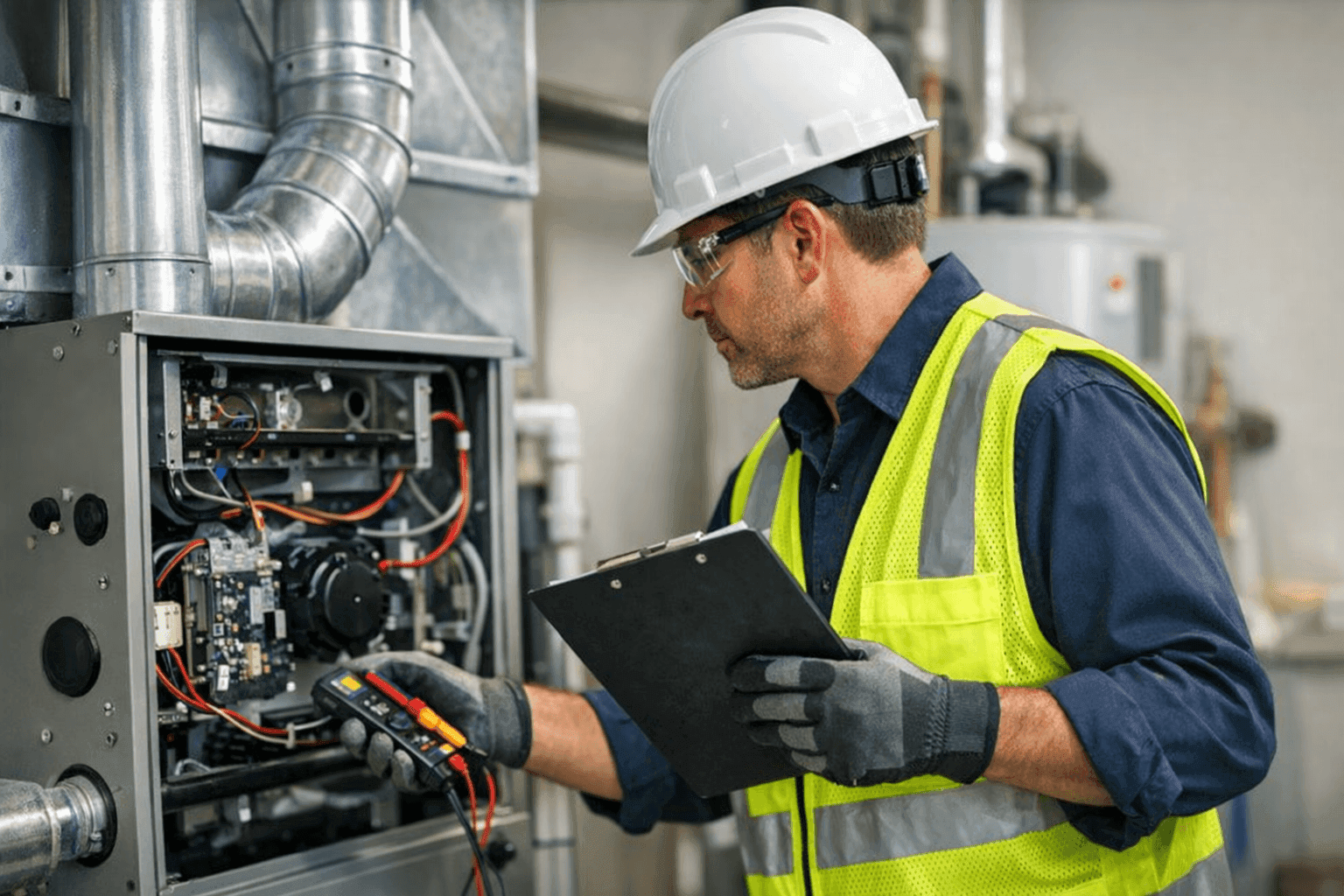
When your furnace sputters out on a freezing night, the cost of repair can feel like one more worry on the pile. At Matlock HVAC, we know how stressful facing an unexpected breakdown can be. You need heat, but you also need clarity—no one likes surprise bills.
Let’s pull back the curtain on furnace repair costs: what drives them, how you can prepare, and why some fixes are pricier than others. You’ll be ready for whatever your heating system throws your way.
Typical Furnace Repair Costs 🔧
Furnace repairs come in all shapes and sizes. Some are as quick as swapping a filter. Others involve replacing worn-out motors or circuit boards. The price tag shifts based on what’s wrong, how old your system is, and even how cold it is outside.
Common Repairs and Price Ranges
Here’s a look at what homeowners and businesses often face:
- Ignitor replacement: $150–$350
- Blower motor repair or replacement: $400–$1,200
- Thermostat troubleshooting: $100–$400
- Flame sensor cleaning/replacement: $80–$300
- Circuit board swap: $400–$800
- General diagnostic visit: $90–$200
Why the wide range? It comes down to the part itself, how hard it is to access, and how much labor is involved. Some repairs, like a simple ignitor, are straightforward. A blower motor, on the other hand, is like the heart of your system—more complex, pricier to fix.
Parts, Labor, and Emergency Fees
Think of furnace repair costs as a recipe:
- Parts: The pieces your technician must replace. Brand and quality matter. Some systems need specialized or hard-to-find parts.
- Labor: The hands-on work. This covers diagnosis, repair, and sometimes travel time. More complex jobs or after-hours calls incur higher rates.
- Emergency fees: If your furnace quits on a weekend or at midnight, the price can jump. After-hours calls often add $100–$300 to your bill.
Unexpected costs can pop up, especially if your technician finds additional issues once repairs begin. Always ask for a clear breakdown before work starts.
How to Get an Accurate Estimate
Honest estimates start with a thorough inspection. Matlock HVAC technicians check for visible wear, test electrical components, and look for underlying problems.
Here’s how to keep things transparent:
- Ask for a written estimate before any work begins.
- Request a breakdown of parts and labor.
- Find out if diagnostic fees are included.
- Ask about potential add-ons—like system cleanings or recommended upgrades.
If you’d like a sense of what to expect, our furnace repair service details outline the process step by step.
Repair vs. Replace Considerations
How do you know if it’s worth fixing? Age, efficiency, and repair history matter most.
- If your furnace is over 15 years old: It may be running on borrowed time.
- If repair costs approach half the price of a new unit: Replacement is usually smarter long-term.
- Frequent breakdowns: If you’re calling every season, consider investing in a new system.
- Energy bills creeping up: Old furnaces lose efficiency, costing you more each month.
A good rule of thumb: If repairs are starting to feel like patching a sinking boat, it’s time to explore replacement.
What Drives Furnace Repair Costs?
Let’s break down the main variables—think of them as the four wheels steering the final bill.
1. Parts: The Hidden Price Tag
Not all parts are created equal. Some, like filters or flame sensors, are widely available and affordable. Others—control boards, draft inducers—are specialized. If your furnace brand is rare or the part is discontinued, sourcing it can drive up costs.
2. Labor: Skill and Time
Labor rates depend on experience, training, and how complex the job is. Technicians with advanced certifications or those who follow National Fire Protection Association (NFPA) safety codes may cost more, but you’re paying for peace of mind.
- Simple repairs (like replacing a thermostat): 30–60 minutes
- Major repairs (blower motor, heat exchanger): 2–4 hours, sometimes longer
3. Emergency & Seasonal Factors
A broken furnace during a cold snap? Expect a rush fee. Winter is peak season, so demand drives prices up. Emergency calls—nights, weekends, holidays—carry premium rates.
4. Age and Condition of Your Furnace
Older systems can be trickier to service. Parts may be corroded, wiring brittle, or components obsolete. Sometimes, opening up an old furnace is like opening a can of worms—one issue can quickly turn into several.
Signs Your Furnace Needs Repair—Or Replacement
Is your furnace sending distress signals? Look out for:
- Unusual noises—banging, rattling, whistling
- Uneven heating or cold spots in your space
- Short cycling (turning on and off rapidly)
- Spiking energy bills
- Yellow pilot light (instead of blue)
- Poor air quality or dust buildup
If you notice carbon monoxide alarms going off, evacuate and call for emergency help immediately. Safety always comes first.
Fast Safety Checklist Before a Technician Arrives
Before the pros show up, check these basics:
- Is your thermostat set to “heat” and above room temperature?
- Is the furnace switch (often looks like a light switch nearby) turned on?
- Are the circuit breakers flipped properly?
- Have you changed the air filter recently?
Sometimes, it’s a quick fix—no wrench required.
DIY Fixes You Can Safely Try
While some repairs need a pro, you can handle a few things:
- Swap a dirty filter.
- Make sure your thermostat has fresh batteries.
- Clear clutter from around heating vents.
- Reset your furnace at the breaker if it’s safe to do so.
If these don’t solve the problem or you smell gas, it’s time to call in help.
What Pros Do When They Arrive
A professional technician will:
- Perform a thorough diagnostic check—inside and out.
- Test electrical connections, ignition systems, and safety controls.
- Inspect for signs of rust, cracks, or leaks.
- Assess airflow and duct conditions.
They’ll explain what they find and walk through your options—no pressure, just facts.
Avoiding Surprise Bills: Practical Tips
No one likes a bill that’s bigger than expected. Here’s how to keep costs predictable:
- Schedule annual heating repair checkups to catch issues early.
- Ask for up-front pricing with a clear parts/labor breakdown.
- Understand diagnostic and trip fees.
- Request details on warranty coverage for parts and labor.
When It’s an Emergency
A furnace failure in the dead of winter is more than an inconvenience—it’s a safety risk. Matlock HVAC offers 24-hour emergency service, so help is always within reach. If you’re looking for immediate support, our team is available in Indianapolis and nearby areas.
Seasonal Considerations: Timing Matters
Peak winter repairs cost more, especially during cold snaps. Schedule preventive maintenance in the fall to catch problems before they become emergencies.
Some systems, like radiant heating or geothermal units, may require specialized expertise—so plan ahead for seasonal checkups.
Timeline and Disruption: What to Expect
Most furnace repairs take 1–3 hours. If a rare part needs ordering, it could stretch to a day or two. The technician may need access to utility rooms, basements, or attics—clear the way for quicker service.
Keeping Your Furnace Healthy
Prevention is always cheaper than repair. Change filters every 1–3 months, keep vents clear, and book annual maintenance to spot issues early. If your home has unique needs—like humidifiers or advanced air filters—let your technician know.
Real-World Example: A Typical Repair Visit
A homeowner calls Matlock HVAC when the furnace won’t start. The technician checks the thermostat, tests the ignitor (which is faulty), and replaces it. Total time: 1 hour. The bill includes a diagnostic fee, the cost of the ignitor, and labor. No hidden charges.
Frequently Asked Questions
Q: Can I fix my furnace myself?
A: Simple fixes (like filters or resetting breakers) are safe. For anything electrical or gas-related, always call a trained technician.
Q: How do I know if I need a new furnace?
A: If your furnace is 15+ years old, repair costs keep climbing, or you notice rising bills, it’s time to consider replacement.
Q: Are there ways to lower repair costs?
A: Annual maintenance, prompt attention to warning signs, and using high-quality filters can all help keep costs down.
Ready for Transparent, Professional Furnace Repair?
Don’t let furnace repair costs catch you off guard. Matlock HVAC brings honest pricing, detailed estimates, and friendly expertise to every job—whether you’re a homeowner or managing a commercial property.
Call Matlock HVAC now — or reach us anytime at 844-484-6545 .