The Pros and Cons of UV Air Purifiers in HVAC Systems
Is the air in your home or business really as clean as it could be? Indoor air quality isn’t just a buzzword—it’s something you can feel with every breath. If you’re looking for ways to help your family, employees, or customers breathe easier, you’ve probably heard about UV air purifiers.
At Matlock HVAC, we cut through the hype. Let’s get real about what UV air purifiers can (and can’t) do for your HVAC system. No scare tactics. Just clarity you can use.
How UV Air Purifiers Work in HVAC
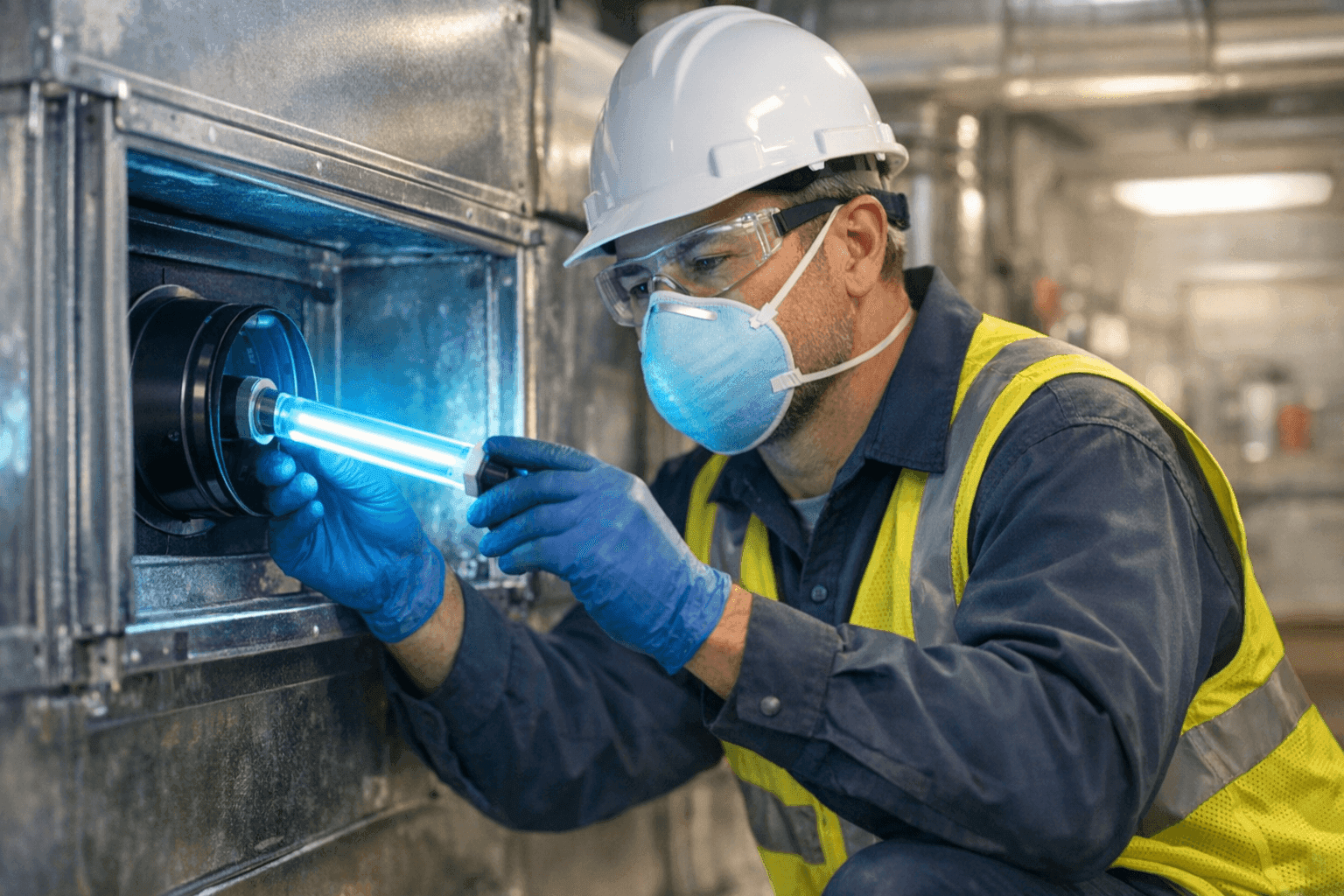
Think of a UV air purifier like a silent defender posted inside your HVAC system. It’s not a filter that catches dust, but a special lamp that blasts ultraviolet (UV-C) light onto the air as it passes by.
What’s happening in there? The UV-C rays break down the DNA of certain bacteria, viruses, and mold spores—zapping them before they can circulate through your property. These systems are typically installed inside your ductwork or near your air handler, tucked away where they won’t bother anyone but the germs.
- Not a catch-all: UV purifiers don’t remove dust, pollen, or pet dander. They specifically target microorganisms that float through the air.
- Continuous action: As long as your HVAC is running, the UV lamp is quietly doing its job.
- Invisible process: You won’t see or smell anything change, but the science is at work in the background.
The American Society of Heating, Refrigerating and Air-Conditioning Engineers (ASHRAE) confirms UV-C can reduce certain airborne pathogens in HVAC systems when installed correctly.
Pros and Cons Compared to Other Solutions 🦠
Every solution has its strengths and weak spots. Here’s how UV air purifiers stack up against more familiar options, like filters and air scrubbers.
Pros
- Targets what filters miss: Filters catch larger particles, but UV purifiers go after bacteria and viruses too small for a filter to trap.
- Fights mold in the system: Mold loves to grow inside damp HVAC coils and ducts. UV light can help prevent that.
- Low noise, no drafts: Unlike portable air cleaners, these units don’t add noise or air movement to your space.
Cons
- No help with dust or allergens: UV systems don’t replace filters. You’ll still need to change your HVAC filters regularly.
- Limited reach: UV light only “cleans” what passes directly through its rays. Anything hiding in corners or stuck to surfaces may escape.
- Upfront and ongoing costs: There’s a price for installation, and bulbs need replacing every year or two.
For those focused on full-spectrum air cleaning, a combination of a high-efficiency filter and a UV air purifier might be the sweet spot. Find more on advanced solutions at indoor air quality.
Installation and Safety Considerations
Adding a UV air purifier to your HVAC isn’t a simple plug-and-play project. It’s a bit more like adding a skylight to your roof—possible for DIY, but often better left to a pro.
- Placement matters: The lamp needs to be installed where air flow is strong, often near the evaporator coil.
- Electrical safety: UV units tap into your system’s power, so wiring must follow National Electrical Code (NEC) standards.
- Shielding required: Direct exposure to UV-C light can harm skin and eyes. Units must be sealed safely inside the ductwork.
- Code compliance: Local building codes may require permits or inspections for HVAC modifications.
If you’re in doubt, call a professional with experience in air purification systems. Safety comes first.
Maintenance and Effectiveness 🧰
Like any part of your HVAC, UV air purifiers need regular care to stay effective. Forgetting this step is like never changing your oil—eventually, things stop working right.
- Bulb replacement: Most UV bulbs last 9–14 months. Even if the light is still glowing, its germ-killing power fades.
- Dust and buildup: Dust on the lamp blocks UV rays, so regular cleaning is essential.
- System checks: Ensure your HVAC fan and filters are in good shape, or air might not flow past the UV light as intended.
The Centers for Disease Control and Prevention (CDC) notes that UV-C effectiveness depends on air speed, temperature, and humidity. Proper installation and maintenance matter as much as the technology itself.
What UV Air Purifiers Don’t Do
There’s no magic wand in HVAC. While UV purifiers help with germs, they won’t:
- Remove dust, pet hair, or chemical fumes
- Fix poor ventilation or humidity issues
- Replace the need for regular duct cleaning or filter changes
If your space suffers from persistent odors or dust, consider adding or upgrading filters alongside your UV unit.
Real-World Tips for Getting the Most From UV Air Purifiers
- Pair with a good filter: Use at least a MERV 13 filter for capturing particles.
- Control humidity: Keep indoor moisture in check with dehumidifiers, since excess humidity fuels mold.
- Schedule regular HVAC maintenance: A well-tuned system helps the UV purifier do its job.
- Look for certifications: Choose equipment tested by independent labs for UV-C output and safety.
When to Call an Expert
If you notice musty odors, allergy flare-ups, or visible mold in your vents, don’t wait. Sometimes, these are signs that your current setup needs more than a new filter. For residents and businesses in need of rapid support, our Gaithersburg team is equipped for emergencies.
Common Mistakes to Avoid
- Improper installation: A poorly placed lamp won’t do much good.
- Ignoring bulb changes: An old bulb glows, but may no longer kill germs.
- Skipping filter changes: UV light can’t replace physical filtration.
- Forgetting safety covers: Never operate a UV lamp with the duct open.
Timeline and Disruption
A professional installation usually takes 1–3 hours. Most of the time, you won’t notice any disruption to your daily life. Annual maintenance visits are quick and can be scheduled alongside seasonal HVAC tune-ups.
Seasonal Considerations 🌦️
UV purifiers work year-round, but they’re especially helpful in spring and fall when bacteria and mold spores are at their peak. During humid summer months, they help prevent mold on cooling coils. In winter, when windows stay shut, they add an extra layer of defense.
Cost Factors
- Initial installation: Prices vary depending on system size and complexity.
- Replacement bulbs: Expect to budget for new bulbs every 12–24 months.
- Professional service: Maintenance can be bundled with your regular HVAC checkup for convenience.
When It’s an Emergency
If you suspect a mold outbreak or airborne contagion risk in your building, turn off your HVAC and call for immediate service. Quick action protects both your health and your equipment.
Frequently Asked Questions
Do UV air purifiers make my HVAC system safer?
They reduce certain airborne germs but are not a replacement for proper ventilation and filtration.
Are UV air purifiers safe for my family or pets?
Yes, when installed inside ducts—no UV light reaches your living space.
How do I know if mine is working?
Annual inspection and bulb replacement are key. Most units also have a viewing port or indicator light.
Final Thoughts
UV air purifiers in HVAC systems can be a smart part of your indoor air quality toolkit. They’re not a cure-all, but they do what they’re built for: reducing certain airborne pathogens and keeping your system cleaner inside. Just remember, best results come with proper installation, ongoing care, and a layered approach alongside quality filters and regular maintenance.
For cleaner air and peace of mind, reach out to Matlock HVAC.
Call Matlock HVAC now — or reach us anytime at 844-484-6545 .