The Lifespan of Common HVAC Systems: When to Replace
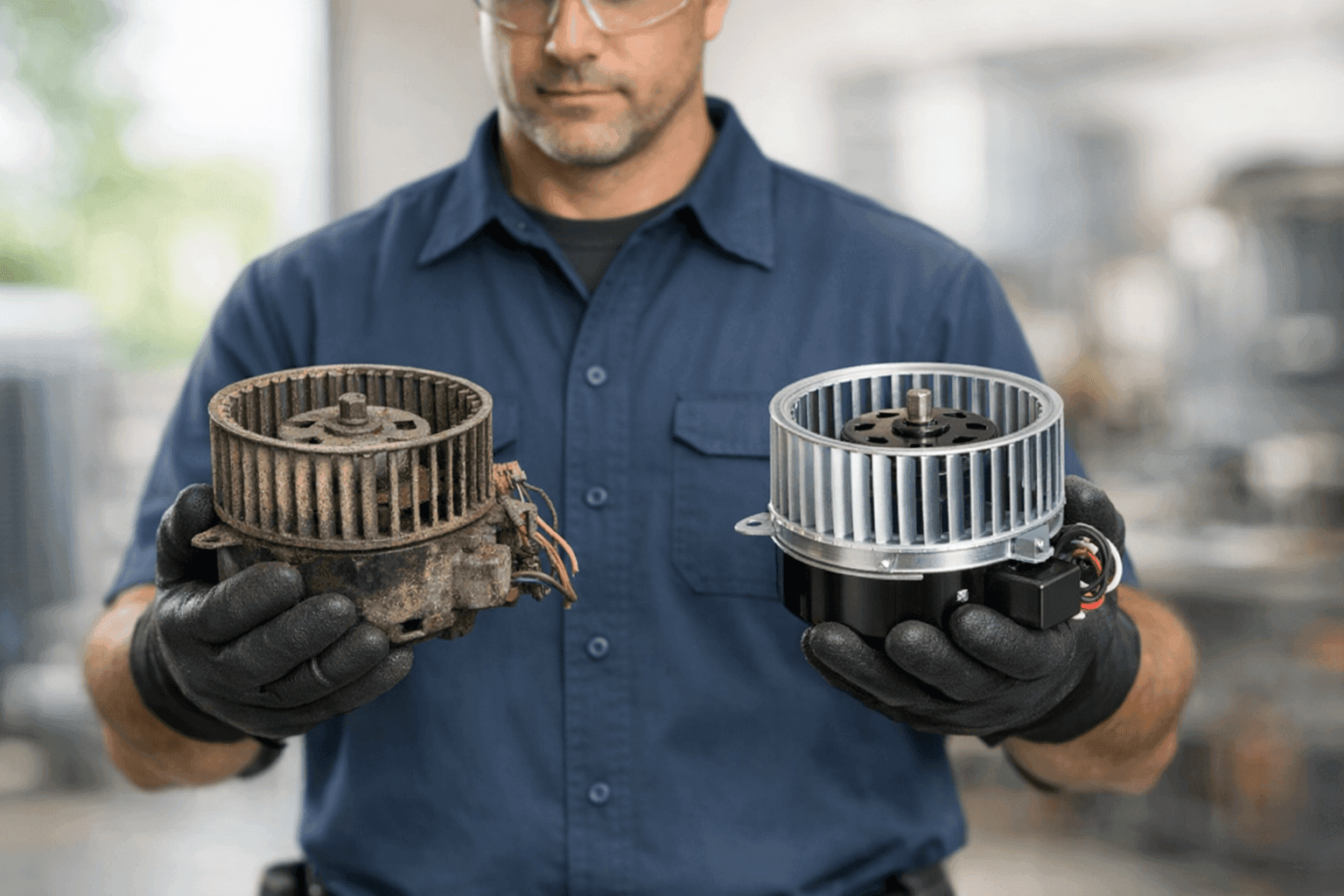
Life moves quickly. Your home or business should feel like a steady, comfortable place—no matter what the weather does. But even the best HVAC systems have a lifespan, and knowing when that clock is running out is key to keeping the air just right.
At Matlock HVAC, we know the feeling: one day, your AC or furnace hums along; the next, it’s coughing, clanking, and driving your utility bills sky high. Let’s talk about how long these systems last, what warning signs to watch for, and how to plan a smooth upgrade—whether you’re caring for a bustling household or a busy office.
Average Lifespans for HVAC Systems 🕰️
Think of your HVAC equipment like a reliable old truck. With regular maintenance, it’ll serve you faithfully—but even the sturdiest rides eventually need replacing. Here’s what you can expect for the most common systems:
Central Air Conditioners
- Average lifespan: 12–17 years
- What shortens life: Lack of filter changes, skipped maintenance, oversized or undersized units
Furnaces
- Average lifespan: 15–20 years (gas), 18–25 years (oil)
- What shortens life: Dirty burners, neglected blower motors, poor venting
Heat Pumps & Mini-Splits
- Average lifespan: 10–15 years
- What shortens life: Outdoor exposure, skipping coil cleaning, low refrigerant
Boilers & Radiant Heating
- Average lifespan: 15–30 years (cast iron lasts longer)
- What shortens life: Hard water, missed annual inspections
Geothermal Systems
- Average lifespan: 20–25+ years (loop systems may last 50+)
- What shortens life: Poorly installed loops, low antifreeze, ground movement
Whole-House Fans, Air Scrubbers, and Dehumidifiers
- Average lifespan: 8–15 years
- What shortens life: Clogged filters, ignored maintenance
Refer to manufacturer manuals and ENERGY STAR guidelines for specifics on your equipment type.
Signs Your System Is Nearing End of Life
Most HVAC equipment doesn’t just stop overnight. It leaves clues—little signs it’s ready for retirement. Here’s what to watch for:
- Rising utility bills: Like a car guzzling more gas, older units lose efficiency.
- Uneven heating or cooling: Some rooms feel like a desert, others a fridge.
- Frequent repairs: If your tech is on speed dial, it may be time to say goodbye.
- Strange noises: Banging, squealing, or grinding isn’t normal.
- Dust and humidity issues: Poor air filtration and humidity swings signal failing parts.
- Short cycling: Unit turns on and off rapidly, often due to aging controls or compressors.
- Yellow pilot light (for furnaces): Can point to carbon monoxide risk—take this seriously.
If you’re seeing two or more of these, start planning for replacement before an emergency leaves you sweating (or shivering).
Benefits of Timely Replacement
It’s tempting to squeeze every last breath from your old HVAC—like pushing a phone battery until it’s on 1%. But waiting too long can cost you:
- Lower energy bills: Modern systems use up to 30% less energy than units 15+ years old (U.S. Department of Energy).
- Consistent comfort: New units heat and cool evenly, with smarter controls for each space.
- Cleaner air: Upgraded equipment means better air filtration, less dust, and improved humidity control.
- Peace of mind: New systems meet current safety codes and are less likely to fail on the hottest or coldest day.
- Quiet operation: No more rattling or roaring—just a gentle hum.
Timely replacement also protects your investment in other upgrades, like new insulation or smart thermostats.
Planning Your Upgrade
A seamless HVAC replacement is a bit like a well-choreographed dance. Timing, preparation, and the right partner (that’s us) make all the difference.
Steps to Get Started
- Schedule a professional assessment: An honest look at your current equipment’s condition and your comfort needs.
- Review energy bills: Older systems often cost more to run than a new installation.
- Consider future needs: Planning a renovation? Kids moved out? Factor in how your space is changing.
- Research rebates and incentives: ENERGY STAR and local utility programs often help offset costs.
- Understand the process: Most replacements take 1–3 days, depending on complexity.
Explore your upgrade options and what’s involved at HVAC system installation.
Seasonal Considerations
Timing is everything. Spring and fall, when temperatures are mild, are ideal for major HVAC work. Crews are less busy, and you won’t be caught in a heatwave or deep freeze without climate control.
In colder climates or for businesses that can’t afford downtime, planning ahead ensures minimal disruption. For those living or working in the Bismarck area, finding local support in Bismarck can make scheduling much easier during peak seasons.
DIY vs. Call a Pro
Changing a filter? Absolutely—a great DIY task. Replacing a blower motor or installing a new furnace? That’s pro territory. HVAC replacement involves complex electrical, gas, and code requirements. According to the International Mechanical Code (IMC), only certified technicians should handle gas lines, refrigerants, and electrical hook-ups. It’s not just about performance—it’s about safety.
What HVAC Pros Do On Arrival
- Thorough inspection: Assess ductwork, electrical, refrigerant lines, and system compatibility.
- Load calculation: Ensuring your new system is sized for your exact space—not too big or too small.
- Removal and disposal: Old equipment is taken out safely and recycled where possible.
- Fine-tuning: Testing for leaks, adjusting airflow, calibrating thermostats, and balancing air distribution.
Quick Safety Checklist
Before your appointment:
- Clear access to attic, basement, or utility rooms.
- Move valuables or fragile items away from work areas.
- Secure pets (installers love animals, but open doors aren’t ideal for furry escape artists).
- Gather records on your current system, if available.
Prevention & Maintenance
Want your new system to last? Schedule regular maintenance. Change air filters every 1–3 months, have a professional inspect moving parts twice a year, and don’t ignore strange noises. Well-maintained systems can outlast average lifespans by several years.
Costs & Timeline
Replacement costs vary depending on system type, size, and customizations (zoning, air scrubbers, smart controls). Most homeowners or business owners spend more upfront for higher efficiency and then save each month on utilities. While installation can disrupt your routine briefly, the improvement in comfort and reliability is usually immediate.
Common Mistakes
- Ignoring warning signs: Don’t wait for complete failure.
- Choosing the cheapest option: Efficiency and features matter in the long run.
- Skipping ductwork inspection: Leaky ducts can waste up to 30% of conditioned air (U.S. Department of Energy).
- DIY electrical or gas work: A shortcut can be dangerous.
Timeline & Disruption
Most standard replacements take one to two days. More complex jobs—think geothermal or sheet metal customization—may take a bit longer. Your technician should walk you through the schedule, explain any downtime, and leave your space cleaner than they found it.
FAQ: Your HVAC Lifespan Questions Answered
Q: Can I extend my system's life with maintenance?
A: Yes, changing filters, annual inspections, and prompt repairs can add years.
Q: Is it worth repairing an old unit?
A: If repairs cost more than half a new system (especially for units 10+ years old), replacement is typically the smarter move.
Q: What about air quality?
A: New systems often support advanced filtration, humidifiers, and air scrubbers—improving both comfort and health.
Whether you’re weighing the signs or ready to plan your next upgrade, Matlock HVAC is here to help—day or night. Call Matlock HVAC now — or reach us anytime at 844-484-6545 .