The Importance of Proper HVAC Ventilation
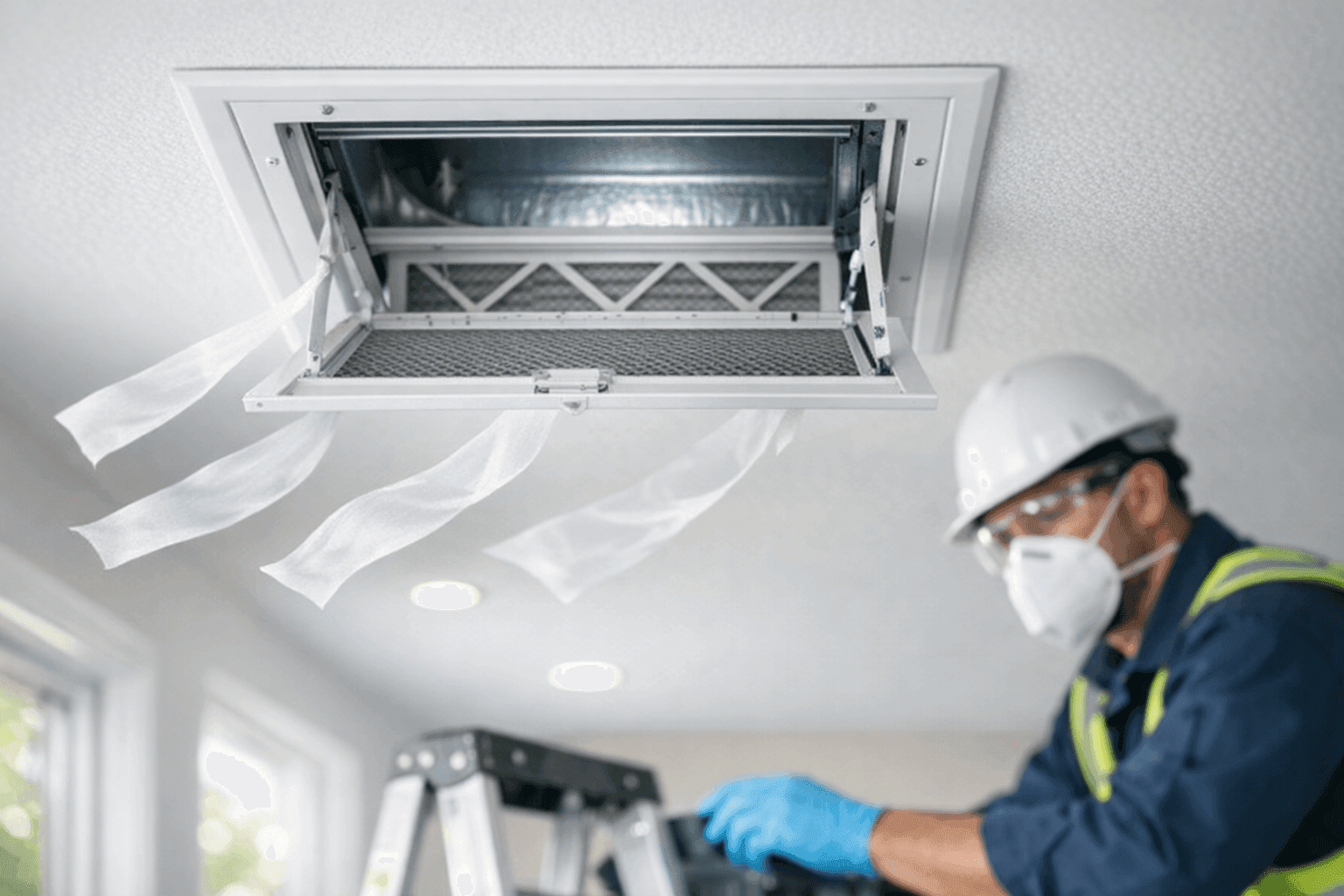
Breathing easy at home or at work isn’t just about comfort—it's about well-being. Air that feels stale or stuffy can drag you down, trigger allergies, and even put your health at risk. At Matlock HVAC, we know that proper ventilation is the backbone of a healthy indoor environment.
Every building needs fresh air. But not all ventilation systems are created equal. Understanding what’s happening behind your vents can help you make smarter decisions for your family, your employees, and your energy bills.
Why Ventilation Is Essential for IAQ 🌀
Indoor Air Quality (IAQ) is like the weather inside your walls. When ventilation falters, pollutants build up—think of dust, pollen, pet dander, and even invisible gases like carbon monoxide. According to the EPA, indoor air can be two to five times more polluted than outdoor air.
Ventilation acts as your building’s set of lungs. It pulls in fresh air, flushes out the bad, and keeps humidity in check. Without it, contaminants linger, mold thrives, and comfort plummets. That’s why regular indoor air quality services are so important for both homes and businesses.
Types of HVAC Ventilation Systems
Not all systems work the same. Here’s a breakdown of the most common setups:
- Natural Ventilation: Open windows, doors, or vents let outside air in. Simple, but not always effective—especially in extreme weather or urban areas.
- Mechanical Ventilation: Fans and ducts move air in and out. These systems can be tailored to your building’s size and needs.
- Exhaust-Only: Common in bathrooms and kitchens, these systems pull stale air out but may not bring enough fresh air in.
- Supply-Only: Pushes filtered air inside, sometimes leading to pressure imbalances.
- Balanced Systems: The gold standard. They bring in fresh air and remove stale air at the same time, keeping everything in harmony.
Upgrading or maintaining your ventilation services can make a world of difference in air quality and comfort.
Signs of Poor Ventilation
How do you know if your system is falling short? Look for these red flags:
- Persistent odors that just won’t go away
- Condensation on windows or walls
- Mold spots in corners or around vents
- Unusual dust buildup
- People feeling tired, sneezy, or stuffy indoors
If you notice these symptoms, your building might be crying out for better airflow.
Improving Your System’s Ventilation
There are practical steps you can take—some quick, some requiring a professional touch:
- Change Filters Regularly: Dirty filters are like clogged arteries for your HVAC.
- Schedule Duct Cleaning: Dust and debris in your ducts can block airflow and spread allergens.
- Check for Blocked Vents: Furniture, drapes, or clutter can restrict air movement.
- Install Air Scrubbers or Purifiers: These devices can trap pollutants before they settle.
- Balance Humidity: Humidifiers and dehumidifiers help keep moisture at healthy levels.
- Consider an Upgrade: Modern systems offer energy savings and smarter controls.
If your building’s air feels off, it might be time to look into indoor air quality services to get a clearer picture.
Quick Safety Checklist
Staying safe starts with awareness. Here’s a short list to keep your system—and your air—healthy:
- Test carbon monoxide detectors regularly
- Inspect vents for visible mold or dust
- Listen for strange noises from your HVAC unit
- Make sure nothing blocks air intakes or exhausts
- Replace air filters every 1–3 months
Following local building codes and guidelines from organizations like ASHRAE keeps your system running safely.
DIY vs. Call a Pro
Some tasks are perfect for a Saturday afternoon—like swapping filters or vacuuming vent covers. But when it comes to diagnosing airflow problems, balancing a system, or handling mold, it’s best to call in the pros.
Professionals have specialized tools for air flow measurement, pressure balancing, and contaminant testing. They can spot issues you might miss and recommend tailored solutions.
What Pros Do On Arrival
When a technician arrives, expect a thorough checkup. They’ll:
- Inspect ductwork for leaks or blockages
- Test airflow and measure pressure at key points
- Check for carbon monoxide leaks
- Review humidity levels and filtration
- Recommend upgrades or repairs if needed
A good pro will explain their findings in plain language, not tech jargon.
Prevention & Maintenance
Think of HVAC maintenance like regular oil changes for your car. It keeps everything running smoothly, prevents costly breakdowns, and extends the life of your equipment.
- Schedule seasonal tune-ups (spring and fall are best)
- Clean or replace filters on schedule
- Keep outdoor units clear of leaves and debris
- Have ducts cleaned every few years
Regular maintenance also helps spot small problems before they become big ones.
Costs & Time Factors
Investing in ventilation pays off in lower energy bills, fewer repairs, and a healthier environment. Upgrades can range from simple filter changes to full system replacements. Most routine maintenance takes just a couple of hours, while bigger projects may require a day or two.
Remember, poor ventilation can cost you more in medical bills, lost productivity, and energy waste over time.
When It’s an Emergency 🚨
Some situations can’t wait. If you suspect a carbon monoxide leak, see visible mold spreading fast, or your HVAC system stops working during extreme temperatures, act immediately.
Local help is available for urgent issues—Colonie HVAC services are on call when you need fast, professional support.
Seasonal Considerations
Spring pollen. Summer humidity. Winter dryness. Each season brings its own ventilation challenges. Adjusting your system for the season—like adding a dehumidifier in summer or checking for drafts in winter—can keep your air fresh year-round.
Common Mistakes
- Blocking supply or return vents with furniture
- Skipping filter changes
- Ignoring musty smells or visible dust
- Overlooking attic or basement ventilation
Small oversights can lead to big problems down the road.
Signs of Trouble
Listen to your building. If you notice:
- Rooms that are always stuffy or too hot/cold
- People getting sick more often
- Unusual spikes in energy bills
It’s time for a closer look at your ventilation system.
Timeline & Disruption
Most ventilation upgrades or repairs can be done with minimal disruption. A good technician will work around your schedule and keep the workspace clean. Expect clear communication and a walk-through of any changes made.
Materials/Equipment
Modern ventilation systems use high-quality filters, insulated ductwork, and smart controls for better efficiency. Ask your technician about HEPA filters, energy recovery ventilators (ERVs), and other upgrades that can boost performance.
Preparing for Service
Before your technician arrives, clear access to vents and equipment. Make a list of any issues you’ve noticed—strange sounds, smells, or rooms that never feel right. Good prep helps your pro get straight to the root of the problem.
Final Thoughts
Proper HVAC ventilation is the unsung hero of indoor comfort and health. Whether you’re managing a busy office or a cozy home, the right system keeps your air clean, your energy bills in check, and your mind at ease.
To learn more about ventilation services or schedule an assessment, reach out to Matlock HVAC today.
Call Matlock HVAC now — or reach us anytime at 844-484-6545 .