The Impact of Dirty Ducts on Indoor Allergies
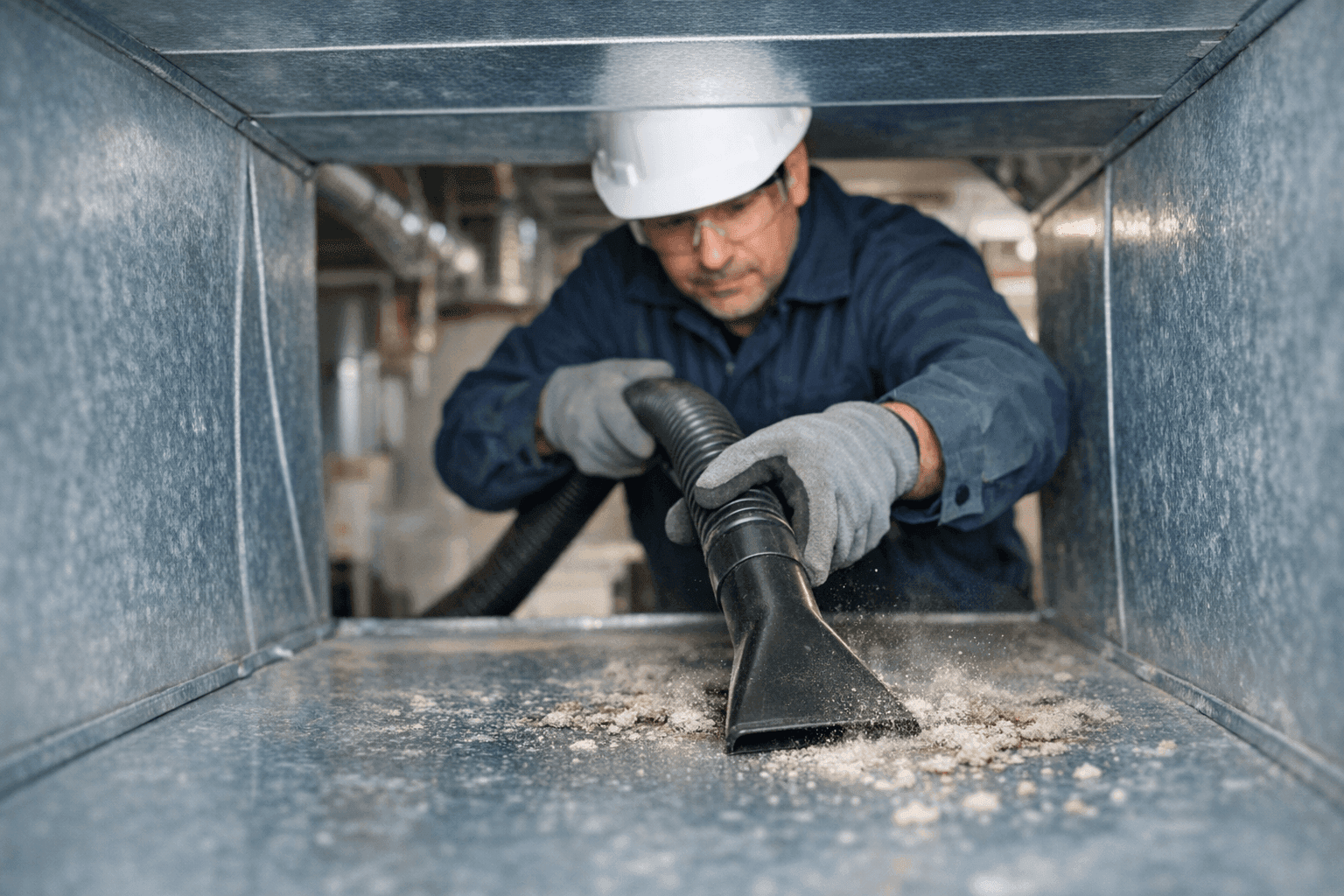
Have you ever walked into a room and immediately started sneezing, or felt your eyes itch for no clear reason? If you or someone in your home battles allergies, your HVAC system’s hidden pathways—your air ducts—could be stirring up more trouble than you realize.
At Matlock HVAC, we see it every season. Dusty ducts are like silent conveyor belts, quietly moving contaminants through your living and work spaces. When air quality slips, so does your comfort—and sometimes, your health.
How Allergens Accumulate in Ducts
Think of your home's air ducts like the lungs of your building. Unfortunately, just as lungs can get congested, so can ductwork. Over time, dust, pollen, pet dander, and even mold spores settle inside the ducts. When your HVAC system runs, it doesn’t just push out cool or warm air—it stirs up these tiny particles and sends them swirling into every room.
- Seasonal pollen: Spring and fall can fill ducts with outdoor allergens that sneak in every time your door opens.
- Pet hair and dander: Even if you don’t own pets, previous owners or visitors might have left behind invisible traces.
- Construction debris: Renovation or nearby construction can load your ducts with fine dust and drywall particles.
- Moisture and mold: Humidity or water leaks can turn ducts into the perfect breeding ground for mold, which releases spores that trigger allergies.
According to the Environmental Protection Agency (EPA), indoor air can be two to five times more polluted than outdoor air, largely due to recirculated contaminants. Imagine your ducts as a suitcase—unless you clean it, you keep carrying old baggage.
Symptoms of Dirty Ducts
How do you know if your air ducts are nudging your allergies into overdrive? The symptoms can be subtle at first, but over time, they get harder to ignore.
- Persistent sneezing or coughing
- Watery, itchy eyes
- Worsening asthma or respiratory symptoms
- Frequent headaches or fatigue
- Musty or stale odors when the HVAC runs
If you notice dust settling on furniture quickly after cleaning, or if you spot dark streaks around your vents, your ducts could be overdue for attention.
Professional Duct Cleaning Process
Getting your ducts professionally cleaned is a bit like hitting the reset button on your indoor air. Here’s how the process works when you call in a certified HVAC technician:
- Assessment: The technician inspects your ductwork using cameras or scopes to locate heavy buildup, mold, or leaks.
- Protection: Vents, floors, and nearby furniture are covered to keep your space clean.
- Agitation: Specialized brushes and air whips break loose dust and debris inside the ducts.
- Extraction: A high-powered vacuum system—often mounted on a truck—removes the loosened contaminants without letting them escape into your home.
- Sanitization (if needed): In cases of mold or bacteria, EPA-approved disinfectants may be applied.
- Inspection: After cleaning, the system is checked to ensure all debris is gone and your air flows freely.
A thorough duct cleaning doesn’t just help with allergies—it can also improve your HVAC system’s efficiency and lifespan.
Preventing Future Allergen Buildup
Once your ducts are clean, it’s tempting to put the issue out of mind. But allergens are persistent hitchhikers. Here’s how you can keep them at bay:
- Change HVAC filters regularly. Use high-efficiency particulate air (HEPA) filters if your system allows—they trap finer particles than standard filters.
- Schedule annual maintenance. Professional checkups catch small problems before they become big ones.
- Control humidity. Use dehumidifiers or humidifiers near you to maintain balanced moisture and discourage mold.
- Vacuum with a HEPA filter. Regular cleaning of carpets, drapes, and upholstery prevents dust from entering the vents.
- Seal leaks. Gaps in ductwork allow more contaminants to sneak in. Have a pro inspect and seal leaky sections.
When to Call a Professional
Some duct cleaning jobs are straightforward; others are more complex. Call a professional if you notice:
- Mold growth inside ducts or on other HVAC components.
- Rodent or insect infestation.
- Unexplained respiratory symptoms in your family or staff.
In these cases, a trained technician can safely address the root cause without spreading contaminants further.
DIY vs. Professional Duct Cleaning
It might be tempting to tackle duct cleaning yourself. However, most home vacuums can’t reach deep into ductwork or generate enough suction. Plus, improper cleaning could loosen debris and make things worse. The National Air Duct Cleaners Association (NADCA) recommends professional cleaning every three to five years, or sooner if you have allergy sufferers at home.
Common Mistakes to Avoid
- Ignoring filter changes: A clogged filter lets dust bypass your defenses.
- Skipping regular maintenance: Small problems can turn into major repairs.
- Using harsh chemicals: Some cleaning agents can worsen indoor air quality.
- Covering vents: This disrupts airflow and allows pressure to build up, stirring more dust.
Quick Safety Checklist
Before any duct cleaning appointment, make sure:
- The technician is certified and follows NADCA or EPA standards.
- All vents are accessible.
- Pets and small children are kept away from work areas.
Timeline & Disruption
Most professional duct cleanings take between 2–5 hours for a typical residential home. Commercial spaces may take longer, depending on the complexity and scale. Expect some noise and movement, but a reputable crew will minimize disruption and leave your space tidy.
Costs & Value
Prices vary depending on system size, contamination level, and accessibility. While it’s an investment, improved air quality and fewer allergy symptoms can pay dividends in comfort and wellbeing.
Seasonal Considerations
Allergy symptoms tend to spike in spring and fall, but dirty ducts can cause problems year-round. Scheduling cleaning before heavy heating or cooling seasons helps keep your air fresh when you need it most. If you’re in the area and need prompt service, Matlock HVAC is available in Allentown and nearby communities.
Materials & Equipment
Professionals use:
- High-powered vacuums with HEPA filtration
- Rotary brushes
- Inspection cameras
- EPA-approved sanitizers (when needed)
This equipment ensures a thorough job—far more effective than consumer-grade tools.
Improving Air Quality Beyond Ducts
Duct cleaning is just one part of a healthier indoor environment. Look into air purifiers, whole-home humidifiers, and regular indoor air quality evaluations to keep your space as allergy-friendly as possible.
Frequently Asked Questions
Q: How often should ducts be cleaned?
A: Every 3–5 years, or more often if you notice symptoms or have pets.
Q: Will duct cleaning solve all allergy issues?
A: Not always, but it significantly reduces the load of airborne irritants.
Q: Is duct cleaning safe?
A: Yes, when performed by certified professionals using industry-standard equipment.
Conclusion: Breathe Easier, Live Better
Your home or business should be a haven—not a source of sneezing fits or headaches. Clean ducts make a world of difference, especially for allergy sufferers. If you’re ready to reclaim your indoor air, Matlock HVAC is here to help.
Call Matlock HVAC now — or reach us anytime at 844-484-6545 .