The Hidden Dangers of Neglected HVAC Maintenance
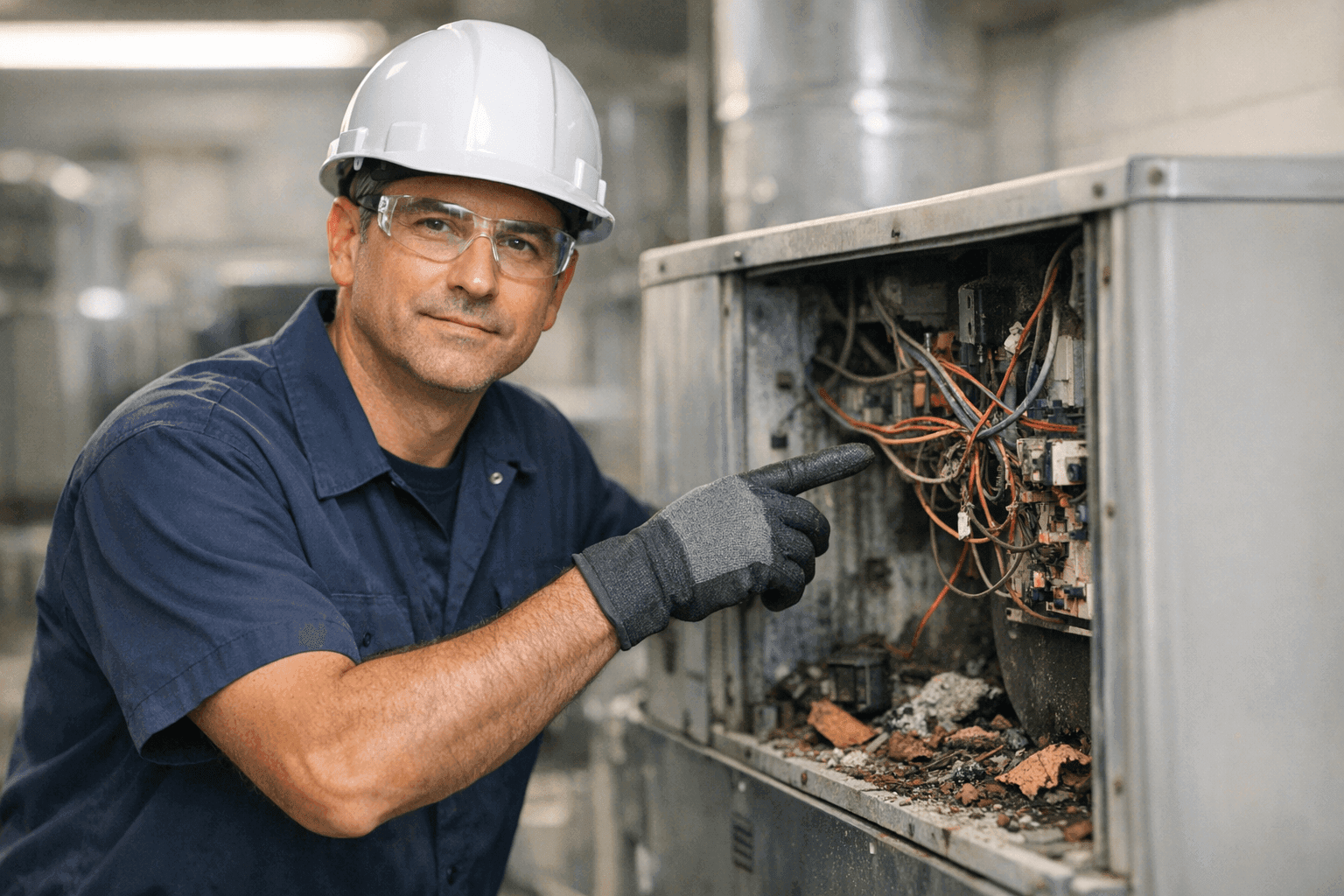
When was the last time you really thought about your HVAC system? Most people don’t—until something goes wrong. But the truth is, neglecting routine maintenance can turn your comfort system into a silent threat. At Matlock HVAC, we see firsthand how a little neglect can snowball into big problems.
Think of your HVAC like the heart and lungs of your home or business. If you ignore its health, it can’t protect yours. Let’s break down the real-world risks and what you can do right now to keep your space safe, efficient, and comfortable.
Common Risks of Neglected Maintenance
You wouldn’t drive your car for years without an oil change. Yet, many homes and businesses run their HVAC systems season after season without a checkup. Here’s what can go wrong:
- Higher energy bills: Dusty filters and clogged coils force your system to work harder.
- Frequent breakdowns: Small issues left unchecked grow into major repairs.
- Shorter equipment life: Neglect can shave years off your investment.
- Unhealthy air: Mold, dust, and allergens build up, lowering your indoor air quality (IAQ).
It’s not just about comfort. It’s about safety and protecting what matters most.
Safety Hazards (Leaks, Fires, IAQ) ⚠️
A neglected HVAC system is more than an inconvenience—it’s a risk. Here’s how:
- Gas leaks: Cracked heat exchangers or loose fittings can leak dangerous carbon monoxide, a colorless, odorless gas that’s deadly in high concentrations. The CDC warns that even low-level CO exposure can cause headaches and nausea.
- Electrical fires: Frayed wires or overloaded circuits can spark fires, especially in older systems. According to the National Fire Protection Association, heating equipment is a leading cause of home fires.
- Water damage: Blocked drains or frozen coils can cause leaks, leading to mold, rot, and expensive repairs.
- Poor IAQ: Dirty filters and ducts recirculate dust, pollen, and bacteria. Asthma and allergy sufferers are especially at risk.
The risks are real, but most are preventable with regular attention.
Warning Signs Your System Needs Attention
Your HVAC system often whispers before it screams. Watch for these early warning signs:
- Odd noises: Banging, rattling, or grinding isn’t normal.
- Strange smells: Musty, burning, or chemical odors signal trouble.
- Uneven heating or cooling: Hot and cold spots mean airflow problems.
- Rising energy bills: A sudden spike can mean your system is working overtime.
- Frequent cycling: Constant on-off cycling wears out parts fast.
- Humidity problems: Too much or too little moisture signals poor control.
If you notice any of these, it’s time to act. Don’t wait for a total breakdown.
How Preventative Care Protects Your Home
Preventative care is like an insurance policy for your comfort—and safety. Here’s how it pays off:
- Stops small issues from growing: Catching problems early means simple, affordable fixes.
- Keeps your air clean: Regular filter changes and duct cleaning remove contaminants.
- Improves efficiency: A well-tuned system uses less energy, saving you money.
- Extends equipment life: Maintenance can add years to your system.
- Protects your warranty: Many manufacturers require proof of maintenance.
Scheduling HVAC maintenance services isn’t just about avoiding breakdowns. It’s about peace of mind.
Quick Safety Checklist for Home & Business Owners
Want to spot trouble before it starts? Here’s a simple checklist:
- Change or clean filters every 1–3 months
- Listen for unusual noises when your system runs
- Check for visible dust or mold around vents
- Inspect outdoor units for debris, leaves, or animal nests
- Make sure your thermostat works and is set to the right mode
- Test carbon monoxide detectors and smoke alarms
If anything seems off, call a professional. Safety always comes first.
DIY vs. Call a Pro
Some maintenance tasks are safe for homeowners, like changing filters or clearing debris from outdoor units. But deeper issues—like electrical checks, refrigerant levels, or gas connections—require a trained technician.
Think of it like changing a lightbulb versus rewiring your house. If you’re unsure, it’s always safer to call in help.
What Pros Do On Arrival
When a Matlock HVAC technician arrives, they’ll:
- Inspect all system components, inside and out
- Test electrical connections and safety controls
- Clean coils, burners, and blower assemblies
- Check refrigerant pressures and airflow
- Replace or recommend filters as needed
- Review your system’s overall performance
We follow industry best practices and guidelines from organizations like ASHRAE and the EPA to ensure your system is safe and efficient.
Prevention & Maintenance: The Backbone of Comfort
Routine maintenance isn’t glamorous, but it’s essential. It’s the difference between a cozy winter night and a frozen pipe disaster. Or a cool summer afternoon and a sweltering emergency.
Preventative visits catch issues before they become emergencies. They also help you plan—so you’re not blindsided by surprise costs.
Costs & Time Factors: Why Waiting Costs More
It’s tempting to delay maintenance to save money. But the math doesn’t add up. A neglected system can use 20% more energy, according to the U.S. Department of Energy. Minor repairs caught early cost far less than major component replacements.
Most maintenance visits take about an hour. That’s a small investment for a year of peace of mind.
When It’s an Emergency: Don’t Wait
Sometimes, problems can’t wait. If you smell gas, see smoke, or your system stops working in extreme weather, it’s time to act fast. Emergency repairs can be stressful, especially during busy seasons.
If you’re in need of Washington HVAC services, Matlock HVAC is ready to help—day or night.
Seasonal Considerations: Timing Matters
The best time for maintenance? Before peak heating or cooling seasons. Spring and fall tune-ups help catch issues before your system is under stress.
Don’t wait for the first heatwave or cold snap. Schedule early to avoid the rush and keep your system running strong.
Common Mistakes That Lead to Trouble
- Skipping filter changes
- Blocking vents with furniture or rugs
- Ignoring strange noises or smells
- Forgetting annual inspections
- Trying risky DIY repairs
A little attention now prevents a lot of regret later.
Signs of Trouble: When to Call Us
If you notice:
- No heat or cool air
- Water pooling near your system
- Breakers tripping when HVAC runs
- Persistent allergy symptoms indoors
Don’t wait. These are signs your system needs professional attention.
Timeline & Disruption: What to Expect
Most maintenance visits are quick and minimally disruptive. Our team works efficiently and respects your space. We’ll let you know what we find and answer your questions, so you’re never left in the dark.
Materials & Equipment: Why Quality Matters
We use high-quality filters, genuine parts, and the right tools for every job. Cheap or incorrect parts can cause more harm than good. Ask about options like HEPA filters or air scrubbers for even better air quality.
Long-Term Benefits: Healthy Air, Reliable Comfort
Regular maintenance means:
- Cleaner air for your family, employees, or customers
- Fewer emergency calls
- Lower utility bills
- A longer-lasting system
It’s a smart investment in your property and your peace of mind.
Final Thoughts: Don’t Let Neglect Catch You Off Guard
Your HVAC system works hard year-round. Don’t let hidden dangers put your comfort—or safety—at risk. A little preventative care goes a long way.
Call Matlock HVAC now — or reach us anytime at 844-484-6545 .