The Complete Guide to AC Installation: Steps & Timeline
It’s a hot summer day. The air inside your home is heavy and still. You’re dreaming of cool relief—but the process of getting a new air conditioner feels overwhelming. You want it done right, and you want to know exactly what to expect.
At Matlock HVAC, we know an AC installation is a big investment, both in comfort and in dollars. Whether you own a home or run a business, understanding the steps, the timeline, and how to prepare can help you breathe easier—figuratively and literally.
Planning for Your AC Installation
Before any tools come out or old equipment comes out of hiding, thoughtful planning takes center stage. Think of it as laying out a puzzle—each piece needs to fit just right.
- Assessment: A licensed technician will inspect your current system, check the electrical panel, and measure the space for the right cooling capacity. This “load calculation” ensures your new AC isn’t oversized (which can short-cycle) or undersized (which struggles to keep up).
- Choosing Your System: From energy-efficient central air to ductless mini-splits, options abound. Consider indoor air quality features, smart thermostats, and whether add-ons like humidifiers near you make sense.
- Permits and Codes: Municipal permits are usually required. Professional installers follow national and local code requirements, like those from the International Mechanical Code (IMC) and National Electrical Code (NEC).
- Scheduling: Factor in the season—summer is peak time, so book early if you can.
Quick Homeowner Checklist 📝
- Clear pathways to your furnace, electrical panel, and outdoor unit.
- Secure pets in a quiet room.
- Make room for workers to move freely.
- Communicate any access issues ahead of time.
Step-by-Step Installation Process
The day arrives. Here’s what typically happens, step by step:
1. Arrival and Site Preparation
Technicians arrive, introduce themselves, and lay down protective coverings to keep your floors clean. They’ll review the installation plan with you one last time.
2. Removing the Old Equipment
Out with the old. The existing AC (and sometimes the furnace or air handler) is carefully disconnected and removed. Old refrigerant is recovered safely, following EPA guidelines.
3. Upgrading Connections
Electrical wiring, refrigerant lines, and condensate drains may need upgrades or replacement. Sheet metal work may be required for new duct transitions.
4. Placing the New Unit
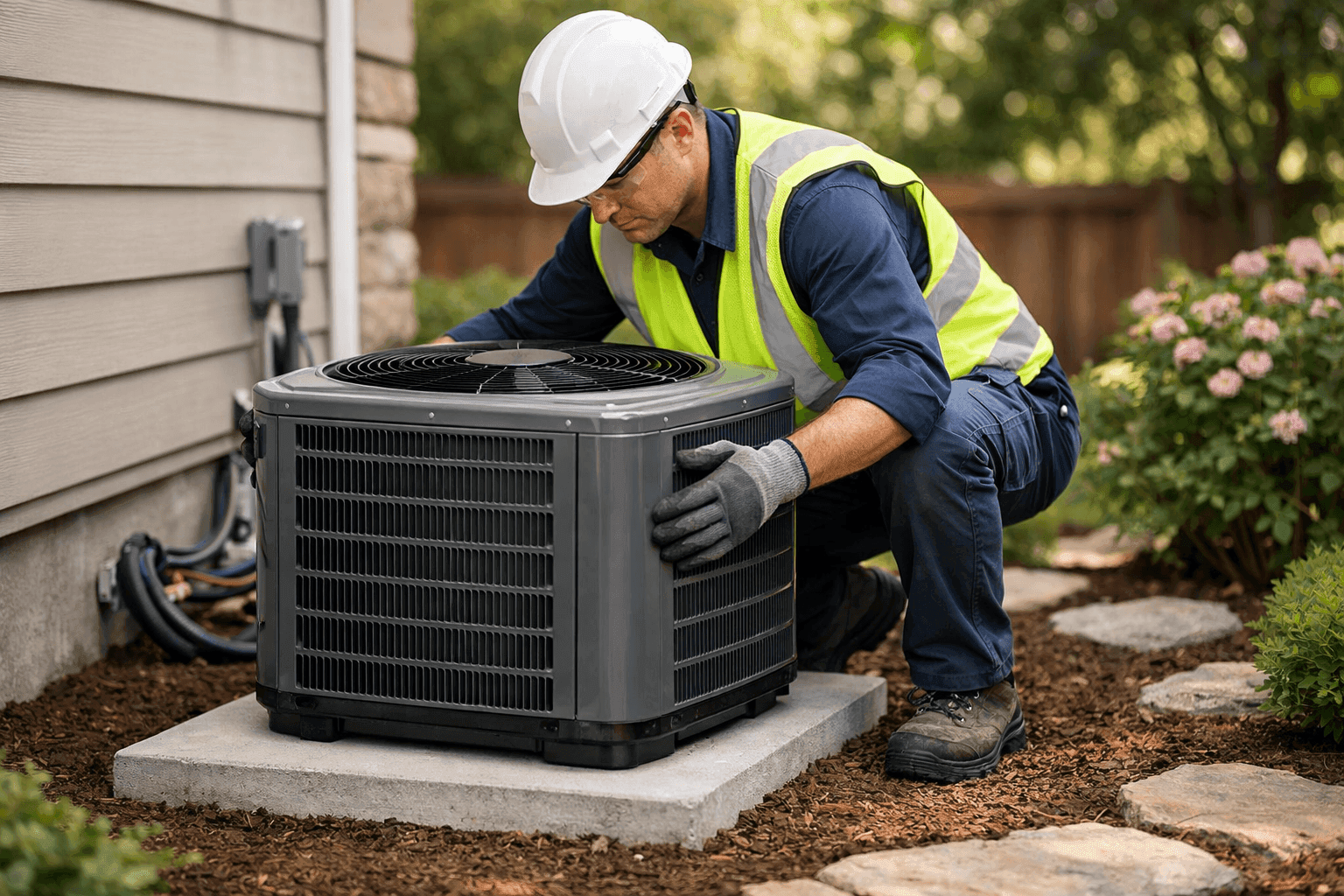
The new condenser goes outside, anchored on a level pad. Inside, the air handler or coil is set in place. Everything is double-checked for alignment and fit.
5. Connecting Ductwork and Lines
Ducts are sealed and insulated to prevent leaks. Refrigerant lines are brazed (welded) and pressure-tested to avoid future issues. This is the moment where precision really matters.
6. Wiring and Controls
Thermostats, sensors, and safety switches are installed and connected. Today’s systems often include smart controls that can be set up for your phone or tablet.
7. Charging and Testing the System
Refrigerant is added per manufacturer specifications. The system is started up, and pressures, temperatures, and electrical readings are measured to confirm safe operation.
Timeline and What to Expect
How long does it all take? For most residential projects, expect 4–8 hours. Larger commercial jobs or complex retrofits may take a full day or more.
What Can Affect the Timeline? ⏰
- System Complexity: Ductwork repairs or custom sheet metal work add time.
- Permit Inspections: Some cities require an inspection before the system runs.
- Weather: Severe rain or heat can slow outdoor work.
You’ll be without cooling during installation, so plan for pets or family members who may be sensitive to heat. Most importantly, be available by phone if any decisions or questions pop up mid-day.
Post-Installation Testing and Care
The final step isn’t just flipping a switch. It’s about making sure the system works—today, and for the long haul.
What Technicians Do
- Airflow Balancing: Adjusting registers and dampers so every room gets the right amount of cooling.
- Leak Testing: Checking for refrigerant or duct leaks using electronic detectors.
- Startup Checks: Confirming the thermostat communicates with the system, and all safety features are active.
What You Should Do
- Ask for a walkthrough of your new system.
- Learn how to change filters and set your thermostat.
- Schedule your first maintenance checkup—think of it like the 1,000-mile service on a new car.
Safety First: Code and Best Practices
Matlock HVAC always complies with all major HVAC safety codes, including IMC and NEC standards. Installers wear protective gear, use proper tools, and follow lockout/tagout procedures for electrical safety. It’s not just about passing inspection—it’s about your family’s comfort and safety.
DIY vs. Hiring a Pro
An AC installation is like open-heart surgery for your house. It’s not a DIY job. Proper refrigerant handling, electrical work, and code compliance all require a licensed technician. Improper installation can void your warranty or even cause safety hazards.
For peace of mind, always hire a professional team trained in the latest equipment and safety protocols.
What to Watch for During Installation
Even if you’re not a technician, staying aware can help:
- Check that the outdoor unit is level and clear of debris.
- Make sure all indoor vents are open and unobstructed.
- Listen for strange noises after startup—rattles or hissing may signal problems.
If you notice anything odd, speak up before the crew leaves.
Preventing Future AC Issues
A great installation is just the beginning. Keep things running smoothly with:
- Seasonal AC maintenance (spring and fall).
- Changing filters every 1–3 months.
- Keeping the outdoor unit clear of leaves, grass, and debris.
Learn more about ongoing AC service options with this overview of professional AC installation and maintenance.
When It’s an Emergency
Sometimes, AC replacement can’t wait. If your system fails during a heatwave, Matlock HVAC offers 24-hour emergency service. Local support is available; for example, residents can find our Carrollton service area here for peace of mind during urgent situations.
Seasonal Considerations 🌤️
Spring and early summer are the best times to schedule installation—before the busy season rush. If you’re planning a project for fall or winter, ask about system availability and scheduling flexibility.
Materials and Equipment Used
Every installation includes high-quality refrigerant lines, condensate pumps, and safety shutoff switches. Our technicians use manufacturer-approved parts and follow best practices for all brands.
Common Questions About AC Installation
How do I know if I need a new AC?
If your system is 10–15 years old, frequently breaks down, or your energy bills climb, it’s time to consider replacement.
Can I stay home during installation?
Absolutely, but expect some noise and activity as crews work inside and out.
What’s included in the price?
Removal of old equipment, new system installation, permit fees, and a full system test.
Avoiding Common Mistakes
Don’t forget to:
- Register your equipment warranty.
- Keep documentation for permit and inspection records.
- Set reminders for filter changes and annual tune-ups.
Final Thoughts
A smooth AC installation pays off every time you walk into a perfectly cooled space. With Matlock HVAC, you get clear communication, professional work, and lasting comfort.
Call Matlock HVAC now — or reach us anytime at 844-484-6545 .