The Best Thermostat Settings for Year-Round Comfort
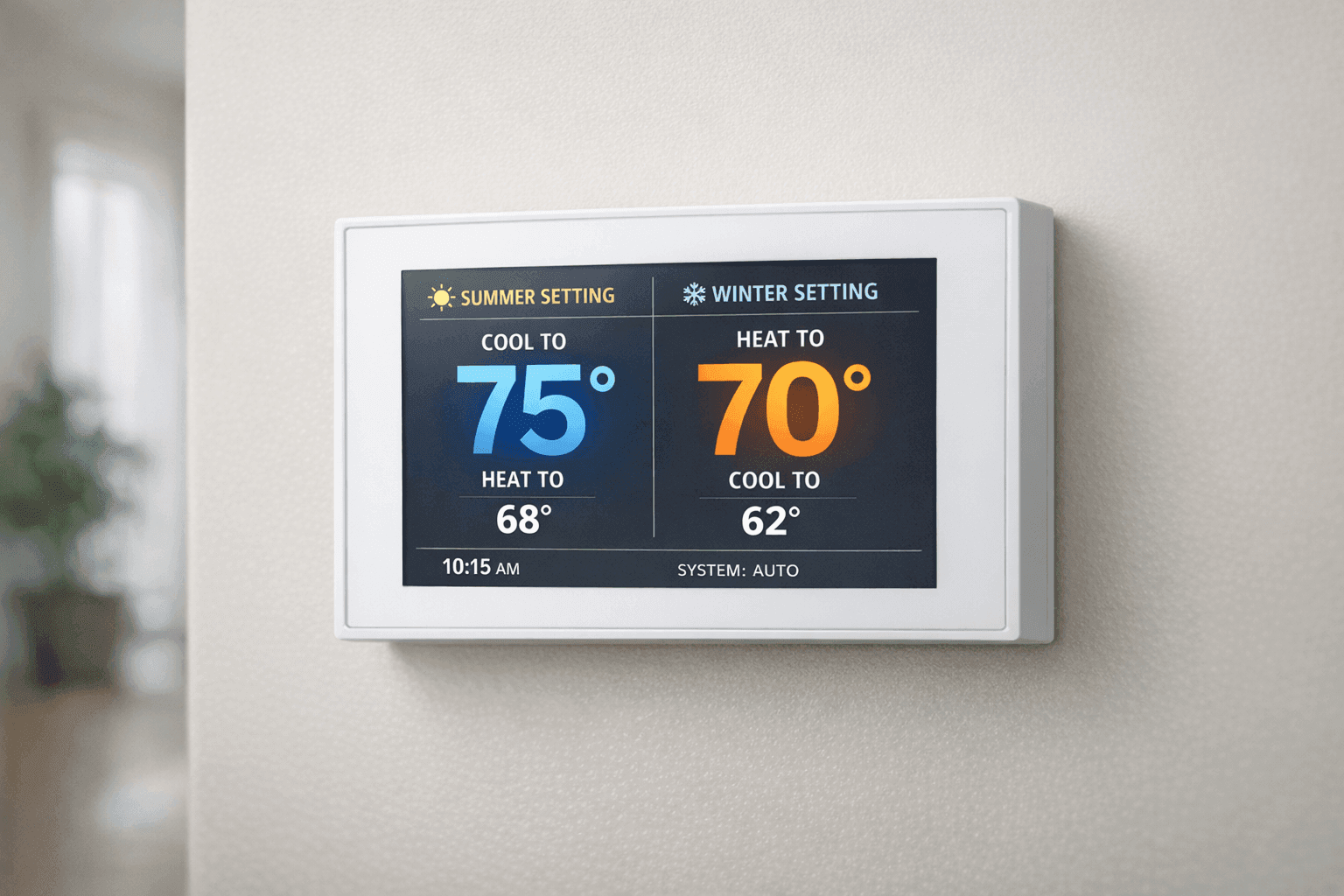
Everyone wants to step inside and feel just right—never too hot or too cold. But finding that sweet spot on your thermostat can feel like searching for the perfect pillow: comfort is personal, but there are proven settings that work for most homes and businesses.
At Matlock HVAC, we know the difference a few degrees can make. The right thermostat settings help you breathe easier, sleep better, and keep your energy bills from climbing higher than a summer afternoon.
Recommended Thermostat Settings for Each Season 🌡️
Your thermostat is more than a dial. It’s the steering wheel for your comfort. Here’s how to set it to cruise through every season:
Spring
- Daytime: 68°F (20°C) is a great starting point. Open windows when possible to let in fresh air.
- Night: Drop to 60–64°F (16–18°C) for restful sleep. Cooler temps at night can help you wake up refreshed.
- Tip: Use ceiling fans to circulate air and balance temperatures.
Summer
- Daytime: 76–78°F (24–26°C) keeps things cool without overworking your AC.
- Night: 72–74°F (22–23°C) is comfortable for most, but bump it up a degree if you’re away or asleep.
- Tip: Close blinds during the hottest part of the day to keep the sun’s heat out.
Fall
- Daytime: 68°F (20°C) works well as temperatures drop.
- Night: 60–64°F (16–18°C) saves energy and helps you sleep better.
- Tip: Layer up instead of cranking the heat. A cozy sweater beats a high bill!
Winter
- Daytime: 68°F (20°C) is recommended by the U.S. Department of Energy for both comfort and savings.
- Night: 60–62°F (16–17°C) when you’re sleeping or away.
- Tip: Humidifiers near you can add needed moisture to dry winter air, making cooler temps feel warmer.
How Settings Impact Comfort and Energy Bills
Every degree matters. Lowering your thermostat by just one degree in winter can cut heating costs by up to 3%. In summer, setting your AC a bit higher can mean big savings.
Think of your HVAC system as a runner. If it’s sprinting all day, it wears out faster and costs more to keep up. Gentle adjustments—like turning the thermostat down when you’re out—let your system jog instead of race.
Common Mistakes
- Constantly changing settings: This forces your HVAC to work harder.
- Setting extremes: Cranking the heat or AC won’t make your home warm or cool faster.
- Ignoring maintenance: Dirty filters or neglected equipment can throw off your comfort and efficiency.
For the best results, regular HVAC maintenance is as important as the right settings. A well-tuned system responds faster and runs more efficiently.
Smart Thermostat Programming for Savings 🤖
Smart thermostats are like having a personal butler for your comfort. They remember your routines, adjust automatically, and even sense when you’re home or away.
Easy Programming Tips
- Set schedules: Program higher temps in summer and lower in winter when you’re away.
- Use “away” modes: Let your system rest when no one’s home.
- Take advantage of zoning: If you have multiple thermostats, keep unused areas a few degrees warmer (summer) or cooler (winter).
The U.S. Department of Energy recommends setting your thermostat back 7–10°F for 8 hours a day to save up to 10% a year on heating and cooling.
Smart Features to Use
- Geofencing: Adjusts settings based on your phone’s location.
- Learning algorithms: Adapts to your habits for maximum comfort and savings.
- Remote control: Make changes from your phone, wherever you are.
If you’re considering an upgrade, explore our thermostat services for modern control options that fit your lifestyle.
When to Upgrade Your Thermostat
Like an old flip phone, outdated thermostats can hold you back. Here’s when it’s time for something new:
- Manual dials: If you still twist a dial, you’re missing out on efficiency and comfort.
- Inconsistent temperatures: Hot and cold spots mean your thermostat may not be reading correctly.
- Frequent repairs: If your system needs constant attention, a new thermostat might help.
Upgrading can unlock features like scheduling, remote access, and energy tracking. Plus, newer models work seamlessly with the latest HVAC systems.
Signs Your Thermostat Needs Attention
- Rooms feel stuffy or drafty.
- The system cycles on and off too often.
- The display is unresponsive or blank.
- Sudden spikes in your energy bill.
Don’t ignore these signs—small issues can grow into bigger problems. A professional can help you pinpoint if it’s the thermostat or something deeper in your HVAC system.
DIY vs. Professional Thermostat Installation
Swapping out a thermostat might seem simple, but wiring mistakes can cause headaches—or worse, damage your system. If you’re unsure, call a pro. Professionals ensure everything’s up to code and optimized for your setup.
Plus, a licensed technician can recommend models that match your needs and show you how to use every feature.
The Role of Thermostats in Indoor Air Quality
Thermostat settings don’t just affect temperature—they impact humidity, air flow, and even the effectiveness of air scrubbers and filters. Proper programming can help maintain healthy indoor air, especially when paired with regular maintenance and IAQ testing.
Safety Checklist for Thermostat Upgrades 🛠️
- Turn off power before removing or installing any thermostat.
- Double-check wiring diagrams—mistakes can be costly.
- Mount the thermostat away from direct sunlight, drafts, or heat sources.
- Test all settings after installation.
If you’re unsure, always consult a certified technician or refer to the manufacturer’s guide.
Seasonal Considerations for Businesses
Commercial spaces face unique challenges: larger square footage, varying occupancy, and equipment that generates heat. Programmable thermostats let you set different zones for offices, kitchens, or conference rooms—keeping everyone comfortable without wasting energy.
When It’s an Emergency
If your thermostat stops working during extreme weather, don’t wait. Fast action protects people and property. For those looking for Southington HVAC services, help is available 24/7 to restore comfort quickly.
Preventive Maintenance: The Key to Year-Round Comfort
Just like a car, your HVAC system needs regular checkups. Schedule seasonal tune-ups, replace filters, and keep vents clear. This keeps your system running smoothly and your thermostat accurate.
Pairing thermostat programming with professional HVAC maintenance is the best way to avoid surprise breakdowns and costly repairs.
Frequently Asked Questions
Q: Will lowering my thermostat at night really save money?
A: Yes! Even a few degrees can make a noticeable difference on your bill.
Q: How often should I check my thermostat settings?
A: Review them at the start of each season, or whenever your routine changes.
Q: Can smart thermostats work with older HVAC systems?
A: Many do, but some require a “C wire” or specific compatibility. Check with a professional if you’re unsure.
Common Mistakes to Avoid
- Forgetting to adjust settings for vacations or long weekends.
- Placing the thermostat near lamps or electronics, which can throw off readings.
- Ignoring software updates on smart thermostats.
Timeline & Disruption for Upgrades
Most thermostat upgrades take less than an hour with minimal disruption. For complex systems or commercial properties, allow extra time for setup and testing.
Final Thoughts
The right thermostat settings are like a well-tuned instrument—subtle changes make a world of difference. Whether you’re at home or work, a few smart adjustments can mean more comfort, healthier air, and lower bills all year long.
Call Matlock HVAC now — or reach us anytime at 844-484-6545 .