Signs Your Furnace Needs Immediate Repair
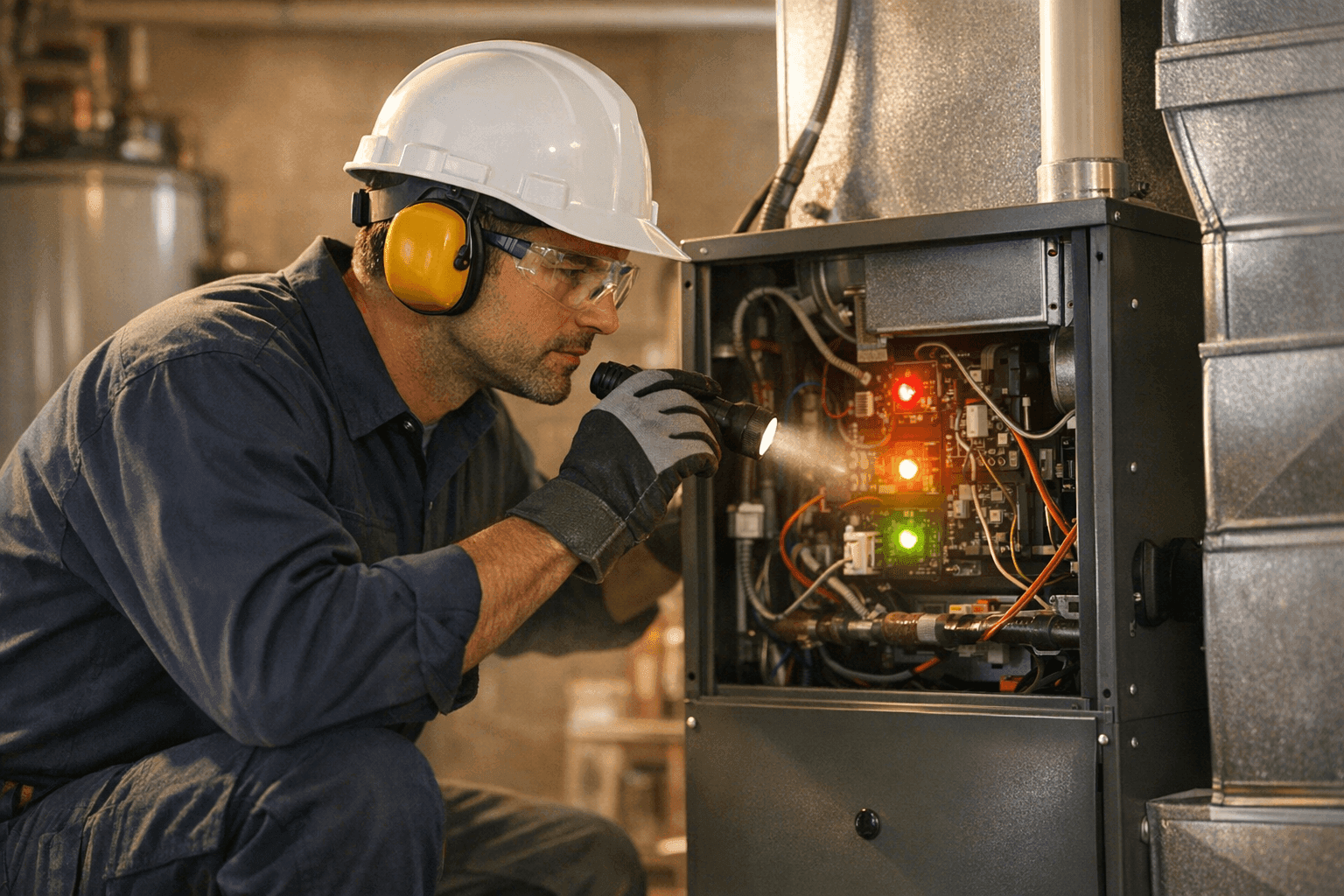
When your furnace starts acting up, it’s more than just a comfort issue—it’s about safety, health, and protecting your investment. No one wants to wake up shivering in the middle of the night or face costly repairs that could have been avoided with early action.
At Matlock HVAC, we understand how stressful furnace problems can be. That’s why we’re here to help you recognize the warning signs before they turn into emergencies. Whether you’re a homeowner or manage a commercial property, knowing what to look for can make all the difference.
Top Warning Signs Your Furnace Is Failing 🔥
A furnace rarely fails without sending up a few red flags first. Spotting these signs early can help you avoid bigger headaches down the road.
- Unusual Noises: Banging, rattling, or screeching sounds aren’t normal. It’s like your furnace is trying to tell you something’s wrong—think of it as your home’s way of crying out for help.
- Frequent Cycling: If your furnace keeps turning on and off, it’s working overtime for little result. This can wear out parts fast and spike your energy bills.
- Weak or Cold Air: If the air coming from your vents is lukewarm or cold, the heat exchanger or blower motor could be in trouble.
- Unexplained Rise in Bills: A sudden jump in your heating costs often signals your furnace is struggling to keep up.
- Yellow or Flickering Pilot Light: A healthy pilot light should burn blue. Yellow or flickering flames may mean a carbon monoxide risk.
- Musty or Burning Odors: Persistent smells, especially burning or musty scents, can mean dust buildup, electrical issues, or even mold in your system.
- Difficulty Starting: If your furnace stutters to life or won’t start at all, don’t ignore it—this could indicate a failing ignition system or thermostat.
- Visible Rust or Corrosion: Rust on the furnace or vent pipes isn’t just cosmetic. It can signal leaks or dangerous exhaust issues.
If you notice any of these warning signs, it’s time to act. Don’t wait for a total breakdown.
Safety Risks and Potential Damage
Furnace problems aren’t just inconvenient—they can be dangerous. A struggling furnace may:
- Leak carbon monoxide, a colorless, odorless gas that’s deadly at high levels. The CDC warns that even low exposure can cause headaches, dizziness, or worse.
- Cause electrical fires if wiring or components overheat.
- Lead to frozen pipes and water damage if your heating fails in freezing weather.
Ignoring these risks is like driving with your check engine light on during a snowstorm. It’s not worth the gamble.
What to Do Until Help Arrives 🚨
If you suspect a serious furnace issue, here’s how to stay safe and minimize damage:
- Turn Off the Furnace: If you smell gas, see smoke, or notice a yellow pilot light, shut off your furnace immediately at the main switch or breaker.
- Ventilate the Area: Open windows and doors to let fresh air in, especially if you suspect carbon monoxide.
- Check Carbon Monoxide Detectors: Make sure your detectors are working. If they sound an alarm, evacuate and call emergency services.
- Avoid DIY Repairs: Don’t try to fix electrical or gas issues yourself. Instead, call for professional help.
- Bundle Up: Use extra blankets or space heaters (safely) to stay warm until repairs can be made.
If you’re unsure whether it’s safe to stay in your home, err on the side of caution and get everyone out.
When It’s Time to Call the Pros
Some furnace issues can’t wait. If you experience any of the following, call for immediate help:
- Gas odors or suspected leaks
- Pilot light that won’t stay lit
- Complete loss of heat in freezing temperatures
- Alarming noises that don’t stop
- Tripped breakers or electrical smells
For urgent situations, Matlock HVAC offers furnace repair services day and night. Our technicians are trained to handle emergencies safely and efficiently.
The Difference Between DIY and Professional Repairs
It’s tempting to tackle furnace issues on your own, but most repairs require specialized tools and knowledge. The risks of DIY include:
- Voiding your equipment warranty
- Making the problem worse
- Endangering your safety
Licensed HVAC professionals follow strict codes and manufacturer guidelines, ensuring repairs are done right the first time. The National Fire Protection Association (NFPA) and local building codes set standards that protect your property and everyone in it.
How Pros Diagnose Furnace Trouble
When a technician arrives, they’ll:
- Inspect all system components, from the thermostat to the heat exchanger
- Test for gas leaks and carbon monoxide
- Check electrical connections and safety switches
- Clean and adjust burners, fans, and filters
- Provide a clear explanation and estimate before starting repairs
This thorough approach gets to the root of the problem—fast.
Timeline and Disruption: What to Expect
Worried about downtime? Most furnace repairs can be completed in a few hours, depending on the issue and part availability. Your technician will:
- Communicate clearly about the timeline
- Respect your space
- Minimize disruption to your home or business
Emergency repairs may require temporary heating solutions to keep you comfortable until the job is done.
Costs and Factors That Affect Repair
Repair costs depend on:
- The age and model of your furnace
- Severity of the issue
- Parts and labor required
Regular maintenance can help you avoid the most expensive fixes. If your furnace is older than 15 years, your technician may discuss replacement options to save money long-term.
Common Mistakes Homeowners Make
- Ignoring warning signs until the furnace fails completely
- Skipping annual maintenance
- Blocking vents with furniture or storage
- Forgetting to change filters regularly
A little attention goes a long way toward preventing emergencies.
Seasonal Considerations for Furnace Health ❄️
Winter is when your furnace works hardest—and when problems are most likely to surface. Schedule pre-season checkups, especially before the first cold snap. This is also a great time to check for Goodyear Village heating services if you’re in the area and want local support.
Preventing Future Furnace Emergencies
Staying ahead of furnace trouble is easier than you think:
- Change filters every 1–3 months (or as recommended)
- Schedule annual professional maintenance
- Keep vents and registers clear of obstructions
- Install carbon monoxide detectors on every floor
- Watch for new noises, smells, or changes in performance
These habits protect your HVAC investment and keep your family safe.
Frequently Asked Questions
How often should I have my furnace serviced?
At least once a year—ideally before heating season starts.
Is it safe to use space heaters if my furnace is out?
Yes, but keep them away from flammable materials and never leave them unattended.
What’s the average lifespan of a furnace?
Most last 15–20 years with regular care.
Can I improve my indoor air quality while fixing my furnace?
Absolutely. Ask about Humidifiers, Air Scrubbers, and IAQ Testing to keep your air fresh and healthy.
The Value of Fast, Professional Furnace Repair
A failing furnace isn’t just an inconvenience—it’s a risk to your comfort, safety, and wallet. Don’t wait for a small issue to become a major breakdown. When in doubt, call the professionals and keep your home or business safe all season long.
Call Matlock HVAC now — or reach us anytime at 844-484-6545 .