Signs Your AC Needs Repair: Common Red Flags
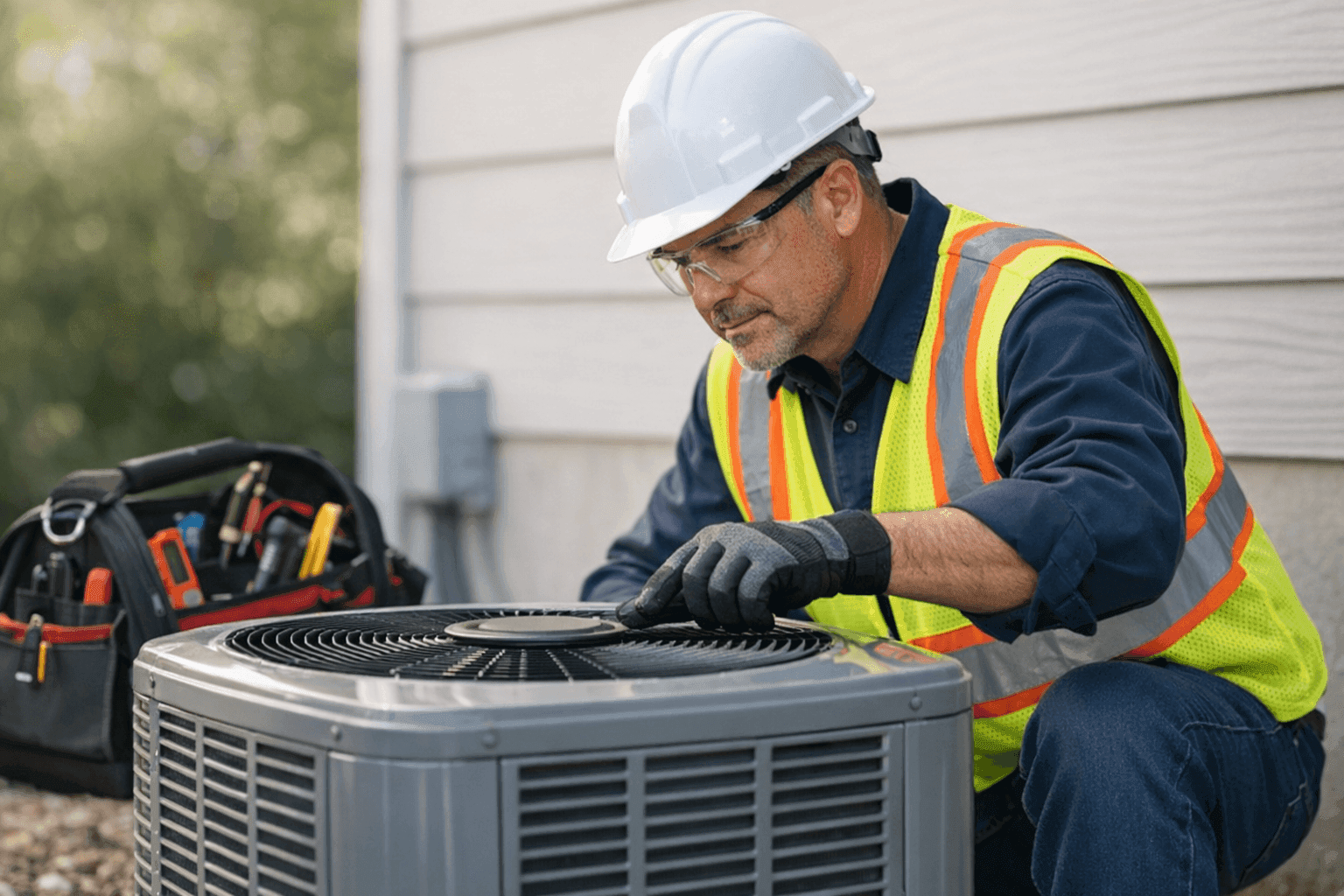
When your air conditioner isn’t working quite right, it’s more than just an inconvenience. A struggling AC can turn a comfortable home or business into a sticky, restless place. At Matlock HVAC, we know that catching problems early can mean the difference between a simple fix and a major breakdown.
Recognizing the early signs of AC trouble is crucial. Ignoring the warning signals is like driving with your check engine light on—eventually, you’ll end up on the side of the road. Here’s how to spot the red flags, why acting fast matters, and what you can expect when you call in licensed HVAC professionals.
Top Signs Your AC Needs Repair 🛠️
Your air conditioner isn’t shy about telling you something’s wrong. It just doesn’t use words. Instead, it sends signals—some subtle, some impossible to ignore. Here are the most common clues that your AC needs attention.
Unusual Noises and Odors
If your AC starts sounding like a popcorn machine or a haunted house, pay attention. Banging, clanking, screeching, or grinding noises aren’t normal. These sounds can point to loose parts, failing motors, or debris caught in the system.
Strange smells are another red flag. A musty odor could mean mold is growing in your ductwork or evaporator coils. A burning smell might signal electrical issues or overheating components. Both are serious and should be checked out right away.
What to do:
- Turn off the system if you smell burning or see smoke.
- Make a note of when the noise or odor started, and what it sounds or smells like.
- Avoid trying to open or fix the unit yourself—some issues can be hazardous.
Weak Airflow or Warm Air
Ever stand in front of a vent expecting a cool breeze, only to feel a weak puff or even warm air? It’s frustrating—and it’s a classic sign of AC trouble. Weak airflow can be caused by clogged filters, duct obstructions, or a failing compressor.
If your AC is blowing warm air, check the thermostat settings first. If everything looks normal, low refrigerant or a malfunctioning compressor could be the culprit.
What to do:
- Replace your air filter if it’s dirty.
- Make a quick note of which rooms are affected and when you notice the problem.
- If the issue persists, it’s time to call for AC repair services.
Increased Energy Bills
A sudden spike in your energy bill can be a silent alarm bell. When your AC system is struggling, it works harder and runs longer—burning through electricity like a car with a gas leak. Common causes include low refrigerant, dirty coils, or worn-out parts.
What to do:
- Compare your current bill to the same period last year.
- Keep track of your AC’s runtime and any changes in comfort.
- Schedule a professional inspection if your bills keep climbing.
Frequent Cycling or Leaks
Does your AC turn on and off more often than usual? This short-cycling can wear out parts quickly and leave your space uncomfortable. Leaks—whether water or refrigerant—are another sign something’s off.
Water pooling around your unit could mean a blocked drain line or a frozen evaporator coil. Refrigerant leaks are more serious and require immediate attention from a licensed technician, as they can affect both performance and safety.
What to do:
- Check for puddles near your indoor unit.
- Note how often the system cycles on and off.
- If you suspect a refrigerant leak, do not attempt to handle it yourself.
Why Early Action Matters
Think of your AC like a marathon runner. If it keeps limping along with an injury, it’s only a matter of time before it collapses. Small issues—like a dirty filter or a loose belt—can turn into expensive breakdowns if ignored.
Early repairs can:
- Prevent major system failures
- Extend the life of your equipment
- Maintain healthy indoor air quality
- Save money on energy and repair costs
Ignoring warning signs can risk your comfort, your budget, and even your health, especially if poor air quality or electrical problems are involved.
Quick Safety Checklist Before You Call
Safety first. Before you reach for the phone, take a few simple steps:
- Make sure your thermostat is set correctly.
- Check your circuit breakers and power switches.
- Inspect your air filter and replace if dirty.
- Look for obvious signs like ice, leaks, or disconnected wires—but don’t touch them.
If you notice anything alarming—like smoke, sparks, or a burning smell—shut off the system and call for help.
DIY vs. When to Call a Pro
Some AC issues are quick fixes, like swapping out a filter or clearing debris from around the outdoor unit. But most problems, especially those involving electrical components, refrigerant, or internal parts, require a licensed HVAC technician.
DIY is fine for:
- Changing filters
- Checking thermostat batteries
- Clearing leaves and debris from vents
Call a pro for:
- Electrical or refrigerant issues
- Persistent leaks or noises
- Weak airflow or poor cooling
What to Expect When the Pros Arrive
A professional technician from Matlock HVAC will:
- Listen to your description of the problem and review your notes
- Inspect all system components safely and thoroughly
- Test airflow, refrigerant levels, and electrical connections
- Provide clear explanations and options before beginning any work
Our team follows all safety protocols and industry standards, including those set by the Air Conditioning Contractors of America (ACCA) and the Occupational Safety and Health Administration (OSHA). We believe in transparency—no surprises, just honest answers and safe solutions.
How to Document AC Issues for Your Technician
Help us help you. When you notice a problem:
- Write down the date and time it started
- Describe the sound, smell, or symptom
- Note any changes in performance or comfort
- Take photos of leaks, ice, or error codes if possible
This information helps your technician diagnose the issue faster and more accurately.
Prevention and Maintenance Tips
Regular maintenance is your AC’s best friend. Schedule annual tune-ups, change filters every 1–3 months, and keep your outdoor unit clear of debris. These simple steps can prevent many common problems and keep your system running efficiently.
Matlock HVAC offers a full range of services, from AC repair services to humidifiers near you, so your comfort is never left to chance.
When It's an Emergency
Some AC problems can’t wait. If you experience:
- No cooling during extreme heat
- Electrical burning smells or sparks
- Water or refrigerant leaks
Turn off your system and reach out immediately. Local support is available—our Kenosha HVAC services team is ready to respond when you need help fast.
Seasonal Considerations
Hot summers and cold snaps put extra strain on your HVAC system. Schedule maintenance before peak seasons to avoid breakdowns when you need cooling or heating most.
Common Mistakes to Avoid
- Ignoring early warning signs
- Skipping regular maintenance
- Attempting risky DIY repairs
- Overlooking indoor air quality issues
Costs and Time Factors
The cost of AC repair varies based on the issue, parts, and labor required. Simple fixes take less time and money than major repairs. Acting early keeps costs down and minimizes disruption to your daily routine.
Timeline and Disruption
Most AC repairs can be completed in a few hours. Our technicians work efficiently and respect your space, following all safety and cleanliness protocols.
Materials and Equipment
Only industry-approved parts and tools are used on every job. We recommend high-quality filters, energy-efficient thermostats, and regular system checks to keep your AC running smoothly.
FAQ
How often should I have my AC checked?
At least once a year, ideally before the cooling season.
Can I use my AC if it’s making noise?
It’s best to turn it off and call a technician. Running a noisy system can cause more damage.
Are your technicians licensed and insured?
Yes, every Matlock HVAC technician is fully licensed, trained, and follows strict safety protocols.
If your air conditioner is acting up, don’t wait for a total breakdown. Call Matlock HVAC now — or reach us anytime at 844-484-6545 .