Is It Time to Repair or Replace Your Furnace?
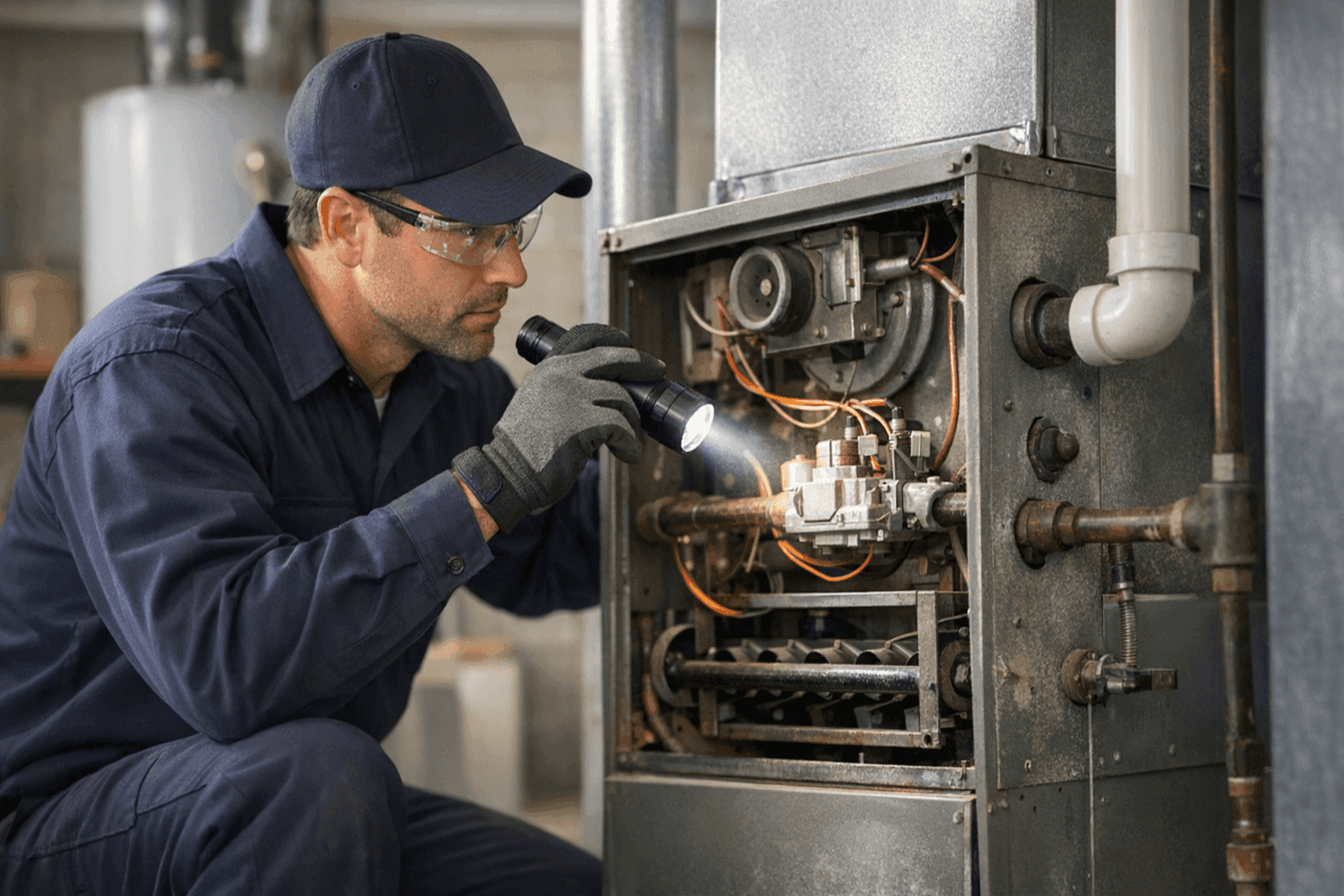
Is your furnace making odd noises, blowing cool air, or just not keeping up with the winter chill? You’re not alone. Deciding whether to repair or replace a furnace is a crossroads every homeowner or facility manager faces eventually.
At Matlock HVAC, we know this decision isn’t just about comfort—it’s about safety, efficiency, and protecting your wallet. Let’s break down the warning signs, what to expect, and how to make a smart, confident call.
Common Furnace Issues: What’s Normal, What’s Not? 🛠️
Furnaces are like the heart of your home’s comfort system. When they’re healthy, you barely notice them. When something’s off, it’s impossible to ignore.
Typical symptoms that something’s wrong:
- Unusual banging, rattling, or squealing noises
- Inconsistent heating or cold spots in rooms
- Short cycling (furnace turns on and off rapidly)
- Rising utility bills with no clear cause
- Blowing cold or lukewarm air
- Strange odors (burning, musty, or metallic smells)
- Yellow or flickering pilot light (instead of steady blue)
- Difficulty starting or staying on
Some issues are minor—like a clogged filter or a tripped breaker. Others point to bigger trouble, such as a cracked heat exchanger or failing blower motor.
Lifespan Benchmarks: How Long Should a Furnace Last?
Think of your furnace like a reliable old car. With regular maintenance, most gas furnaces last 15–20 years. Electric ones can sometimes stretch to 20–30 years, but efficiency drops as they age.
Factors that impact furnace lifespan:
- How often it’s serviced (annual checkups matter)
- The quality of installation and original equipment
- Local climate and how hard it works each season
- Whether repairs use quality, compatible parts
If your furnace is past its teenage years, start paying closer attention. Even with perfect care, the end of the road eventually arrives.
Quick Safety Checklist for Furnace Troubles
Before you do anything, safety comes first. Here’s a fast check:
- Smell gas? Leave the house and call your gas provider or fire department immediately.
- Carbon monoxide detector chirping? Evacuate and get help.
- Tripped breaker or blown fuse? Reset once, but don’t keep flipping it if it trips again.
- Unusual smells or smoke? Turn off the furnace and call a pro.
Never ignore safety warnings. The National Fire Protection Association (NFPA) stresses annual professional inspections to prevent hazards.
Signs It’s Time to Repair, Not Replace
Sometimes, a fix is all you need. Repair makes sense when:
- Your furnace is under 10 years old
- The repair cost is less than one-third the price of a new unit
- The unit has no history of major breakdowns
- Parts are readily available and repairs are straightforward
- You haven’t had frequent service calls in recent years
A good analogy: if your car needs new brakes but the engine is strong, you repair, not replace.
If this sounds like your situation, explore furnace repair solutions that keep your system running safely and efficiently.
When to Replace: Warning Signs You Can’t Ignore 🚩
There comes a point when pouring money into repairs is like patching a leaky boat. Watch for these red flags:
- Furnace is older than 15–20 years
- Repair costs are more than half the price of a new unit
- Heat exchanger is cracked (this can leak carbon monoxide)
- Frequent breakdowns—especially during peak season
- Home never feels warm, even after repairs
- Energy bills keep climbing, even with tune-ups
- Soot, dust, or rust around the furnace or vents
If you’re seeing these signs, it’s time to weigh your options for furnace installation and upgrade to modern efficiency.
Cost Comparison: Repair vs. Replacement
Money matters. Here’s how to think about it:
- Repairs: Minor fixes (ignitors, thermostats, filters) usually cost less than $500. Major repairs (motors, circuit boards, heat exchangers) can run $1,000–$2,000.
- Replacement: A new furnace (including installation) typically ranges from $3,000–$7,000, depending on size, efficiency, and features.
The 50% Rule: If repair costs are more than half the price of a new furnace—and your unit is past half its expected life—replacement is often the smarter move.
Long-Term Savings: Efficiency Adds Up 💡
Modern furnaces are like switching from a flip phone to a smartphone. Today’s high-efficiency models (AFUE ratings of 90%+) can slash your heating bills by 20–30% compared to older units.
Other long-term benefits:
- Quieter operation
- Better air quality (especially when paired with Humidifiers near you)
- Fewer emergency repairs
- Higher home resale value
Investing in a new system can pay for itself over time—especially with rising energy costs and stricter building codes.
DIY vs. Call a Pro: Where to Draw the Line
Changing a filter? Go for it. Resetting a tripped breaker? Reasonable. But when it comes to gas lines, electrical wiring, or diagnosing control boards, the stakes are higher.
HVAC pros use specialized tools to check for carbon monoxide, test airflow, and catch hidden issues. The Air Conditioning Contractors of America (ACCA) recommends annual professional inspections for both safety and efficiency.
What Pros Do On Arrival
A qualified HVAC technician doesn’t just swap parts. They’ll:
- Inspect the heat exchanger for cracks or corrosion
- Test for carbon monoxide leaks
- Measure airflow and static pressure
- Check thermostat calibration
- Review safety controls and ignition systems
- Inspect ductwork and ventilation
This thorough approach keeps your system safe and ensures you’re not missing a bigger problem.
Prevention & Maintenance: Extend Furnace Life
A little TLC goes a long way. Here’s how to help your furnace last:
- Change filters every 1–3 months (more often in dusty homes)
- Schedule annual tune-ups before heating season
- Keep vents and registers clear of furniture and debris
- Don’t ignore odd sounds or smells—address them early
- Upgrade your thermostat for better control
Regular maintenance can catch small issues before they become budget-busting repairs.
When It’s an Emergency: Fast Action Matters
No heat on a freezing night? Strange smells or carbon monoxide alarms? These are true emergencies.
If you need Levittown HVAC services in a hurry, Matlock HVAC is ready with 24-hour emergency response. Fast action can prevent further damage and keep your family safe.
Seasonal Considerations: Timing Your Decision
Fall and early winter are the busiest times for furnace calls. If you’re thinking about replacement, early spring or summer can mean faster scheduling and potential off-season savings.
Remember, regular maintenance before the cold hits can help you avoid mid-winter breakdowns.
Timeline & Disruption: What to Expect
Most repairs can be handled in a single visit. Furnace replacements usually take a day, with minimal disruption to your routine.
Plan ahead if you have pets, sensitive electronics, or special ventilation needs. Your technician can walk you through prep steps.
Common Mistakes to Avoid
- Ignoring warning signs or delaying service
- Trying risky DIY fixes on gas or electrical systems
- Skipping annual maintenance
- Choosing the cheapest repair without considering long-term value
- Neglecting indoor air quality upgrades during replacement
Smart decisions now can save you headaches (and money) down the road.
Materials & Equipment: What Matters Most
Look for furnaces with high AFUE ratings, variable-speed blowers, and sealed combustion. Ask about compatible IAQ upgrades like air scrubbers, dehumidifiers, or advanced filters.
Always choose equipment that matches your home’s size and insulation for best results.
Frequently Asked Questions
How do I know if my furnace is safe to operate?
If you have any doubts about odors, noises, or carbon monoxide, shut off the system and call a professional.
Can I get by with a portable heater until repairs are done?
For short periods, yes—but never use gas ovens or outdoor heaters indoors due to carbon monoxide risk.
What maintenance can I do myself?
Change filters, keep vents clear, and monitor your thermostat. Leave mechanical and gas work to the pros.
How do I choose the right replacement?
Work with a licensed HVAC contractor who follows ACCA Manual J load calculations and local code requirements.
Conclusion: Make the Right Call for Your Comfort
Deciding whether to repair or replace your furnace isn’t just about today—it’s about peace of mind all winter long. If you’re unsure, Matlock HVAC is here to help you weigh the options, keep your home safe, and ensure your comfort for years to come.
Call Matlock HVAC now — or reach us anytime at 844-484-6545 .