Radiant Heating Explained: Comfort and Efficiency Benefits
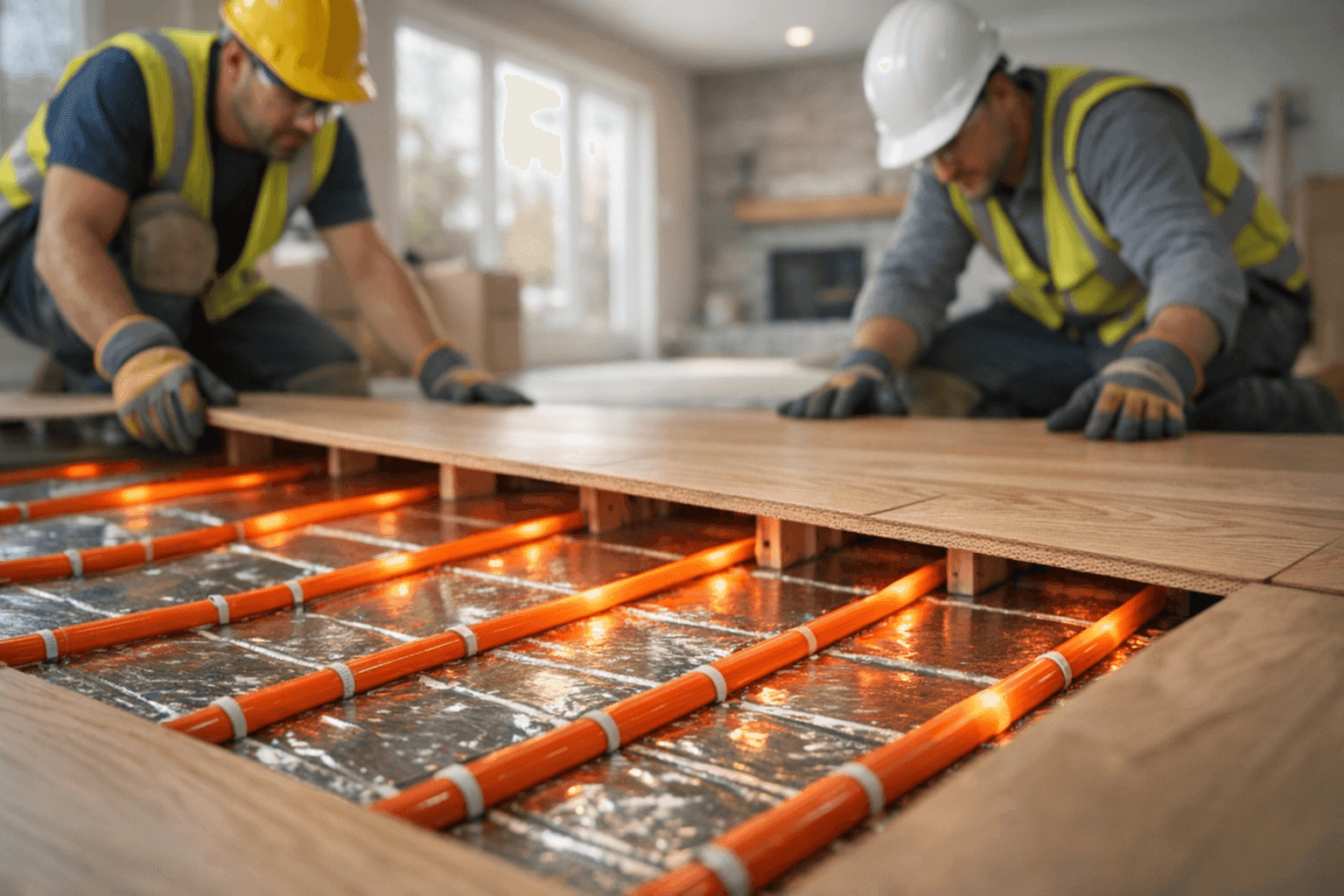
If you’ve ever tiptoed across a chilly floor in the morning and wished for invisible slippers, radiant heating just might be your answer. At Matlock HVAC, we know that comfort and energy savings go hand-in-hand. But is radiant heating really the cozy, efficient solution it claims to be—or just a luxury for custom homes?
Let’s pull back the floorboards and see how radiant heating works, what it costs, and whether it truly delivers those legendary “warm toes” without breaking your budget.
What Is Radiant Heating? 🌡️
Radiant heating is a system that warms your rooms from the ground up—literally. Instead of blasting hot air from vents, radiant systems heat surfaces (like your floors or walls), which then gently radiate warmth throughout the space. Imagine the sun streaming through a window on a winter day, soaking into your skin. That’s radiant heat in a nutshell.
There are two main types:
- Hydronic Radiant Heating: Uses hot water running through tubes beneath the floor.
- Electric Radiant Heating: Uses electric cables or mats under tiles or hardwood.
Both designs skip the fan noise, the drafty bursts of air, and the dust storms that sometimes come with traditional forced-air HVAC.
How Radiant Systems Work
The heart of a radiant system is simple: a web of tubes or cables hidden beneath your floors, quietly doing their job. Here’s the step-by-step:
- Heat Source: Either a boiler (for hydronic) or electric heating element.
- Distribution: Warm water or electric current travels through tubing/cables under your floor.
- Radiation: Heat rises steadily from the floor’s surface, warming you, the furniture, and even the dog’s favorite rug spot.
- Even Heating: The entire surface emits warmth, reducing cold spots and temperature swings.
No loud blowers. No ducts to clean. No dusty vents. Just steady, silent comfort.
Comfort and Efficiency Benefits
Why do so many homeowners and businesses rave about radiant heating? The benefits stack up fast:
- Consistent Warmth: Imagine the gentle, constant heat of a sun-warmed patio—now inside, all year long.
- Energy Savings: Radiant systems often run at lower temperatures than forced-air. That means less energy consumed for the same comfort level.
- Allergy Relief: No blowing air means less circulation of dust, pollen, and pet dander—great for indoor air quality.
- Silent Operation: No clanging radiators or roaring blowers.
- Zoned Comfort: Many radiant systems allow you to set different temperatures for different rooms. Warm bathroom, cool bedroom—your call.
The U.S. Department of Energy recognizes radiant heating as one of the most energy-efficient ways to heat a building, especially when paired with good insulation.
Installation Considerations
Radiant heating shines brightest when built into new construction or during major renovations. Retrofitting an existing home? It’s possible, but there are factors to weigh:
- Floor Height: Adding tubing or cables can slightly raise your floor.
- Flooring Types: Tile and stone transfer radiant heat best. Carpet and wood work, but may require adjustments.
- Upfront Cost: Installation is typically pricier than forced-air, but energy savings can help offset this over time.
- Timeframe: Installing radiant heat is not a quick weekend project. For new builds or remodels, plan ahead.
- Professional Know-How: Proper sizing, layout, and controls are critical. Poor installation can lead to cold spots or system inefficiency.
For a deeper look at what’s involved, visit our radiant heating page.
When Radiant Heating Is the Right Choice
Not every building is a perfect fit for radiant heat. It’s ideal for:
- Homes with consistent occupancy (you’ll feel the benefits every day)
- Bathrooms, kitchens, and basements (goodbye, cold tile)
- New builds or major remodels, where installing underfloor systems is easier
If you’re looking for quick heat in rarely used rooms, or if you want to avoid lifting existing floors, radiant may not be the best route.
Quick Safety Checklist
A few safety essentials:
- Always use components listed by recognized agencies like UL or CSA.
- Boilers should have pressure relief valves, and all electrical work must follow National Electrical Code (NEC) guidelines.
- This is not a DIY-friendly install—licensed HVAC pros are required for both safety and code compliance.
DIY vs. Call a Pro
Laying out tubing or electric mats may look simple on YouTube, but mistakes can be costly. Professional installation ensures:
- Precise heat calculations, so every corner stays warm
- Correct integration with existing HVAC systems
- Safe, code-compliant electrical and plumbing work
If you’re considering radiant heat as part of a larger system upgrade, our heating installation service can help with seamless planning and execution.
What Pros Do On Arrival
Expect your HVAC technician to:
- Assess your home’s insulation and heat loss
- Recommend the best radiant system (hydronic or electric)
- Map out zones for custom comfort
- Explain how radiant integrates with humidifiers, air scrubbers, or thermostats if needed
- Review permits and local codes
Costs & Time Factors
Radiant heating is an investment. You’ll pay more up front compared to traditional forced-air systems. Factors affecting cost include:
- Size of the space
- Flooring type and accessibility
- Complexity of zones and controls
But here’s the payoff: many users see reduced energy bills and longer-lasting equipment. According to the U.S. Department of Energy, radiant systems can last decades with minimal maintenance.
Timeline & Disruption
For new homes, radiant heat can be installed during construction with little disruption. In existing homes, expect:
- Temporary removal of flooring
- Possible rewiring or rerouting of plumbing
- 2–5 days for a single room, longer for whole-home projects
Planning ahead and scheduling during other renovations can minimize headaches.
Common Mistakes to Avoid
- Skipping insulation: Poorly insulated floors lose heat fast.
- Improper spacing: Tubes or cables too far apart lead to uneven warmth.
- Incompatible flooring: Thick carpets can muffle the effect.
Stick to building codes and manufacturer recommendations for best results.
Signs of Trouble
Once your radiant system is up and running, stay alert for:
- Cold patches or uneven heating
- Unusual noises from your boiler or controls
- Leaks or dampness around floors (for hydronic systems)
- Higher-than-expected energy bills
Routine HVAC maintenance can catch small issues before they become big problems.
Prevention & Maintenance Tips 🧰
Radiant systems are famously low-maintenance. Keep them running smoothly with these tips:
- Annual inspection of boilers or electrical components
- Flushing hydronic systems as recommended by the manufacturer
- Checking thermostats and controls for accuracy
- Cleaning or replacing filters in any integrated HVAC components
Schedule regular checkups with qualified HVAC professionals to maximize comfort and efficiency.
When It’s an Emergency
While radiant heat is reliable, issues like leaks (for hydronic) or electrical faults can happen. If you notice a sudden loss of heat or water on the floor, don’t wait.
Matlock HVAC offers 24-hour emergency service—residents and businesses can find local help any time using our Springfield support page.
Seasonal Considerations
Radiant heating pairs well with other systems like humidifiers near you or dehumidifiers, especially during winter or in humid climates. Remember, radiant heat is best for steady, continuous warmth—rapid temperature swings are not its specialty.
Materials & Equipment
Quality matters. At Matlock HVAC, we install radiant systems using:
- Durable PEX tubing (for hydronic systems)
- UL-listed electric mats
- Programmable thermostats for custom zones
- Insulation designed for radiant efficiency
We follow National Fire Protection Association (NFPA) and International Residential Code (IRC) guidelines for all installations.
Frequently Asked Questions
Q: Will radiant heat work under carpet?
A: Yes, but tile and stone are more efficient. Thicker carpeting may reduce heat transfer.
Q: Can I retrofit radiant heating in an old home?
A: It’s possible, but more complex. Discuss options with a licensed HVAC installer.
Q: Is radiant heat safe for pets and kids?
A: Absolutely! Surfaces get warm, not hot, and no exposed elements make it safer than many alternatives.
The Bottom Line
Radiant heating is about comfort, efficiency, and quiet warmth—no drafts, no dust, just a cozy home or business. It’s not the right fit for every building or budget, but when installed by professionals, it can transform your indoor environment for decades.
Call Matlock HVAC now — or reach us anytime at 844-484-6545 .