Preventing Mold and Allergens with Whole-Home Dehumidifiers
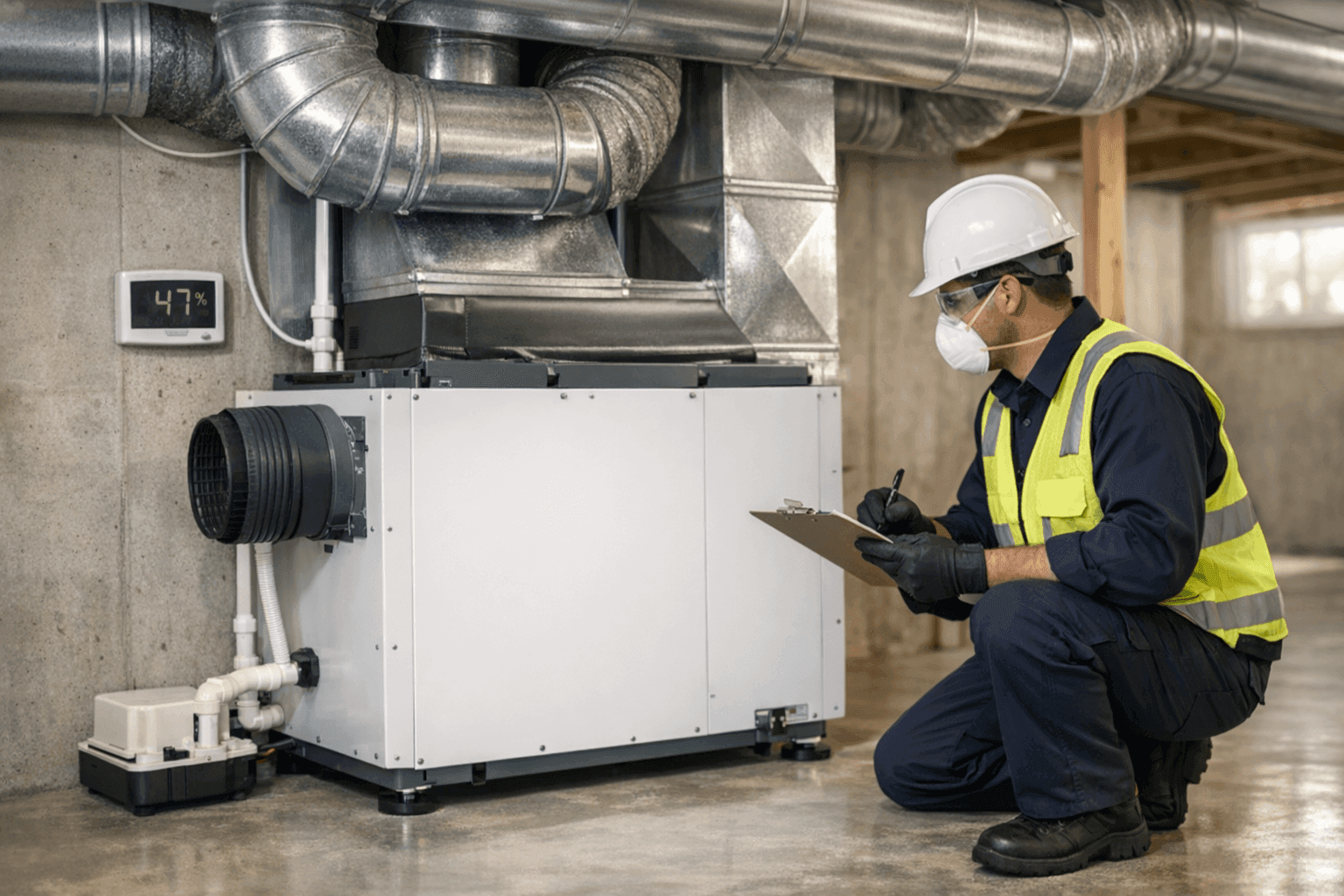
Is your home starting to feel damp, musty, or sticky? You’re not alone. Excess humidity sneaks in quietly, settling into your walls, floors, and even your lungs. At Matlock HVAC, we’ve seen how unchecked moisture can trigger mold, aggravate allergies, and turn your living or work space into a breeding ground for problems you can’t always see.
The good news? You’re not powerless. With the right knowledge and the right equipment, you can take control—creating a home or business environment that’s healthier for everyone who steps inside.
Why Humidity Control Matters 🌦️
Think of humidity as the silent tide in your building. When it rises too high, it’s like a damp blanket that never dries out. Mold spores, dust mites, and bacteria thrive in this setting. According to the U.S. Environmental Protection Agency (EPA), keeping humidity between 30% and 50% is key to limiting mold growth and keeping allergens at bay.
Unchecked, high humidity can:
- Create perfect conditions for mold and mildew
- Warp wood floors and damage drywall
- Cause musty odors that never seem to leave
- Make the air feel warmer and heavier, raising AC costs
- Trigger asthma and allergy symptoms year-round
Humidity control isn’t just comfort—it’s protection for your home, health, and wallet.
How Dehumidifiers Prevent Mold and Allergens
Imagine your indoor air as a sponge. When it’s oversaturated, mold and allergens can soak right in. Whole-home dehumidifiers act like a wringer, squeezing out the extra moisture before it can do harm.
Here’s how they work:
- Continuous moisture removal: Unlike small, portable units, whole-home dehumidifiers are wired directly into your HVAC system. They run quietly and efficiently, treating all the air that travels through your ducts.
- Even air quality: Every room benefits, not just the basement or laundry area. Balanced humidity means fewer “damp corners” where mold likes to hide.
- Less dust and fewer mites: Lower humidity weakens dust mites and slows mold growth, making every breath a little easier.
- Odor control: No more musty smells clinging to clothes or carpets.
You can learn more about how these systems work and which type might suit your space best on our dehumidifiers page.
Spotting Signs of Moisture Trouble
Mold isn’t always obvious. Here are some warning signs to watch for:
- Persistent musty odors, especially in closed rooms or closets
- Condensation on windows or cool surfaces
- Peeling paint or wallpaper
- Warped wood or buckling floors
- Visible mold spots, no matter how small
- Worsening allergy or asthma symptoms, especially after rain
If you’re noticing any of these, it’s time to investigate further.
Choosing the Right Dehumidifier
Not all dehumidifiers are created equal. Here’s what to consider:
- Capacity: Measured in pints per day, choose a unit matched to your square footage and local climate.
- Integration: Whole-home units tie directly into your existing ductwork—no need for daily emptying or constant monitoring.
- Energy usage: Look for ENERGY STAR®-rated models for efficiency.
- Drainage: Automatic draining keeps maintenance simple.
- Features: Some models include air purification, humidity sensors, and smart controls.
A qualified HVAC technician can size and install the best system for your needs. Homeowners and property managers alike should avoid the “one size fits all” trap—your building is unique, and your solution should be too.
Maintenance and Best Practices 🛠️
A dehumidifier is only as good as its upkeep. Here’s how to keep it running strong:
- Change the air filter regularly—at least every three months, or as recommended by the manufacturer.
- Clean the coils annually to prevent buildup and maximize efficiency.
- Inspect drainage lines for clogs or leaks.
- Check humidity controls to ensure the system is cycling on and off as it should.
Schedule professional HVAC maintenance each year to keep things humming. And remember, even the best system won’t work well if your home is full of air leaks or blocked vents.
The Link Between Humidity and Allergens
High humidity is like rocket fuel for indoor allergens. Dust mites, for example, multiply rapidly at humidity levels over 50%. Mold spores can start to grow within 24-48 hours on damp surfaces. According to the Asthma and Allergy Foundation of America, controlling indoor moisture is one of the most effective steps you can take to reduce allergic reactions.
Whole-home dehumidifiers, when paired with good indoor air quality practices, create a one-two punch against airborne irritants.
DIY vs. Professional Installation
It might be tempting to pick up a small dehumidifier at the hardware store. Portable units are fine for single rooms, but they’re often outmatched by larger homes or commercial spaces. Whole-home systems require:
- Ductwork connections
- Electrical wiring
- Proper drainage setup
- Precise humidity calibration
These steps are best handled by a licensed HVAC professional. A misstep could mean leaks, wasted energy, or even electrical hazards.
When It’s an Emergency
Sometimes, moisture issues can’t wait. If you spot sudden water leaks, pools of standing water, or rapid mold growth after a storm or plumbing mishap, act fast. Mold can take root quickly—sometimes in less than two days.
Emergency HVAC services are available 24/7 to tackle unexpected humidity spikes, water damage, or system failures. Residents in areas like Fond du Lac can access rapid response for urgent air quality concerns.
Quick Safety Checklist
Before you buy or install a dehumidifier, ask yourself:
- Is my home’s electrical system ready for a new appliance?
- Are there any standing water issues that should be fixed first?
- Have I sealed up major air leaks and checked insulation?
- Is my current HVAC system in good working order?
- Do I need additional humidity sensors for remote monitoring?
Checking these boxes not only protects your investment—it keeps your home safer.
Seasonal Considerations 🍂
Humidity is a moving target. In summer, it rises with the heat. In winter, it can drop too low, causing dry skin and static shocks. The best systems adjust automatically, maintaining that “just right” balance all year.
- Spring/Summer: Watch for musty odors after rains. Keep humidity below 50%.
- Fall: Clean gutters and check for leaks that can add unwanted moisture.
- Winter: Don’t let things get too dry; consult about humidifiers near you if comfort is an issue.
Common Mistakes Homeowners Make
Even with good intentions, it’s easy to slip up. The most common missteps include:
- Relying only on portable dehumidifiers for a whole house
- Ignoring attic or crawl space moisture problems
- Skipping regular maintenance
- Setting humidity too low, which can dry out wood and skin
- Blocking vents or closing off rooms, leading to uneven moisture levels
Stay ahead by checking your system seasonally and consulting with a professional for annual tune-ups.
Costs & Time Factors
Whole-home dehumidifiers are an investment, but one that pays back in comfort, health, and property protection. Installation usually takes just a few hours to a day, depending on your home’s layout and existing HVAC setup.
- Upfront cost: Equipment and installation can vary.
- Energy savings: Systems that run efficiently can help lower AC use by making air feel cooler.
- Long-term value: Less mold remediation, fewer repairs, and healthier air for your family or tenants.
Health & Safety Guidelines
Always follow manufacturer instructions and local building codes. The EPA and CDC recommend prompt action for visible mold and suggest consulting certified professionals for persistent or widespread issues. Never attempt DIY electrical work unless you are properly trained.
When to Call an Expert
If you’re unsure where the moisture is coming from, if you have repeated mold problems, or if your allergies aren’t improving despite your efforts, it’s time to call in the pros. An HVAC technician can:
- Test indoor air quality
- Recommend custom solutions
- Ensure safe, code-compliant installation
- Provide ongoing maintenance plans
Final Thoughts: Protecting Your Space
Humidity is invisible—but the problems it causes are not. Taking proactive steps with a whole-home dehumidifier delivers peace of mind, healthier air, and a cleaner living or work environment. Whether you’re managing a busy household or keeping commercial spaces safe for staff and customers, the right solution is within reach.
Call Matlock HVAC now — or reach us anytime at 844-484-6545 .