How to Prevent Costly HVAC Breakdowns
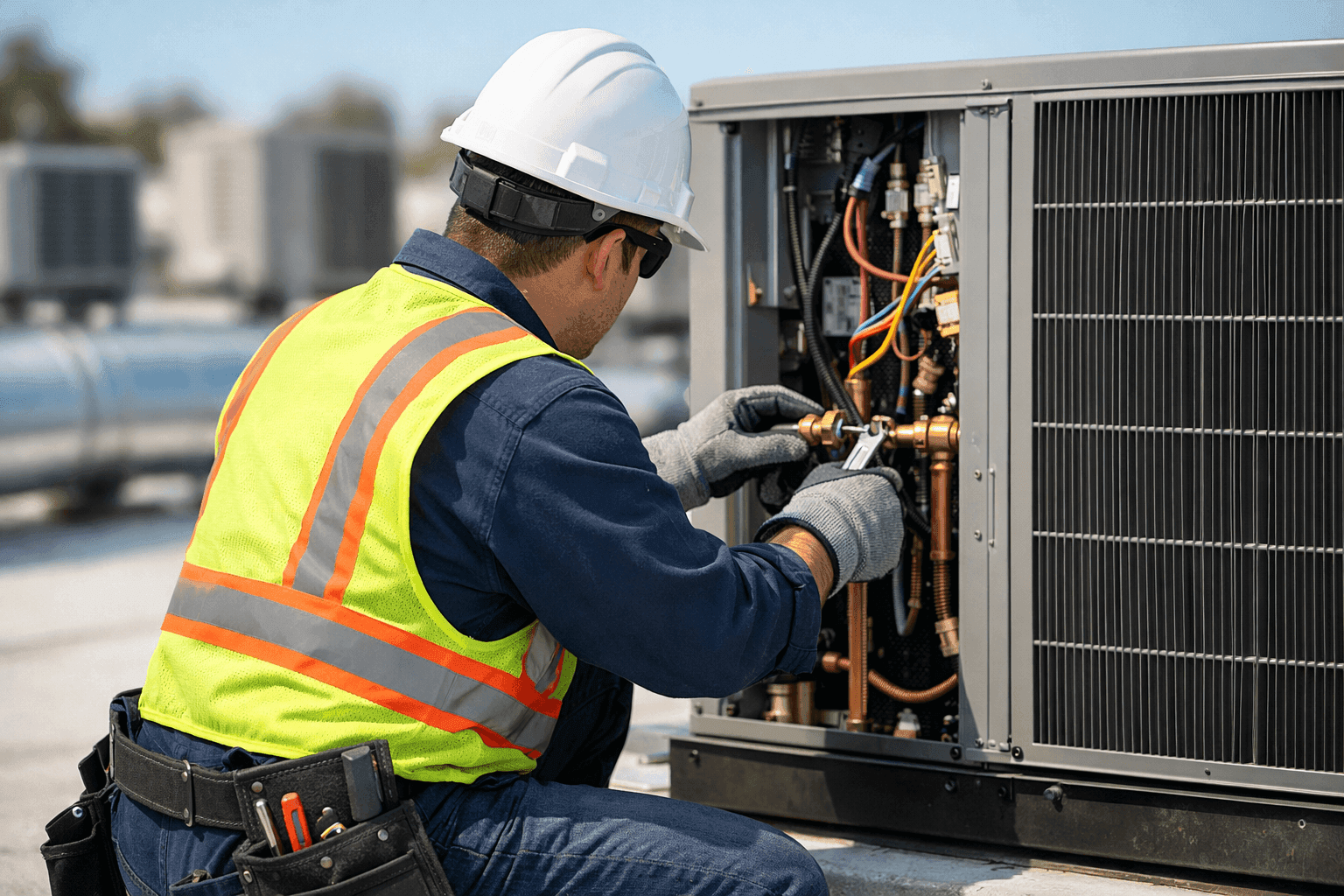
Staring down a broken AC or furnace in the middle of a heatwave or deep freeze? It’s no one’s idea of a good day. Everyone—homeowners and business managers alike—knows that HVAC breakdowns always seem to hit at the worst possible moment.
At Matlock HVAC, we see it all. From small homes to large commercial spaces, what you do now can save you big headaches (and bills) down the road. Here’s how to keep those costly surprises at bay—and your comfort on track.
Top Causes of HVAC Failures
Picture your HVAC system like a marathon runner. Without water, rest, or the right shoes, even the best will eventually trip. The most common culprits behind breakdowns include:
- Neglected filters that clog airflow, forcing your system to work overtime.
- Electrical issues—worn wires, loose connections, or blown fuses.
- Low refrigerant or coolant leaks that cause ACs to lose their chill.
- Dirty coils that can’t transfer heat efficiently.
- Blocked drains leading to water damage and shutdowns.
- Age and wear—even the best systems have a lifespan.
For commercial properties, add in overuse, incorrect zoning, and sometimes, plain old user error. Residential systems often face issues from skipped maintenance or DIY repairs gone sideways.
Signs of Trouble You Shouldn’t Ignore ⚠️
Sometimes, your HVAC will whisper before it screams. Watch for these early warnings:
- Unusual noises—like banging, rattling, or screeching.
- Weak airflow from vents.
- Uneven temperatures room to room.
- Rising utility bills without any obvious reason.
- Musty or burning smells.
- Thermostat never seems to hit the mark.
If your system is throwing fits, don’t wait. Early attention can make the difference between a minor fix and a major breakdown.
Essential Maintenance Tasks for Prevention
Think of maintenance like brushing your teeth. Skip it, and sooner or later, you’ll pay for it. For both homes and businesses, preventive upkeep is the single best way to dodge breakdowns. Key tasks include:
- Replace or clean filters every 1–3 months (more often in dusty or high-traffic areas).
- Check refrigerant levels and look for leaks.
- Wipe down coils and clear debris from outdoor units.
- Empty and clear drain lines to prevent mold and water damage.
- Tighten electrical connections and inspect for corrosion.
- Test thermostats and controls for accuracy.
- Lubricate moving parts to reduce friction and wear.
For a full seasonal checklist and professional guidance, visit our hvac maintenance services page.
DIY vs. Calling a Professional
Cleaning a filter? That’s a DIY win. Digging around in electrical panels or handling refrigerant? That’s a job for a licensed tech. Residential users can handle simple upkeep—filters, clearing debris, and checking vents. But for anything involving wiring, refrigerant, or advanced diagnostics, call a pro. Commercial buildings, with their complex zoning and controls, nearly always require professional service. Remember: Safety comes first.
What Pros Do on Arrival
When our team shows up, we don’t just glance at your system and leave. Here’s what a thorough maintenance visit looks like:
- Inspect and test all system controls.
- Measure airflow and balance for efficiency.
- Check voltage, amperage, and electrical safety.
- Test static pressure and duct integrity.
- Assess refrigerant charge and compressor health.
- Look for code compliance and safety issues.
We follow guidelines from organizations like the Air-Conditioning, Heating, and Refrigeration Institute (AHRI), and recommendations from the U.S. Department of Energy. It’s about catching issues before they snowball.
Prevention Pays Off: The ROI of Maintenance 💡
Preventive maintenance isn’t just about avoiding repairs. It means lower energy bills, better air quality, longer system life, and fewer disruptions for homes and businesses. Consider:
- Well-maintained systems can use 15–20% less energy (U.S. Department of Energy).
- Fewer breakdowns mean less downtime and fewer emergency calls.
- Clean air filters and ducts support healthier indoor air, crucial for offices and families alike.
Investing a little now can save a lot later—often hundreds or even thousands over your system’s life.
When to Upgrade Instead of Repair
Even the best maintenance won’t make an ancient system new again. If your AC, furnace, or heat pump:
- Needs frequent repairs.
- Is over 10–15 years old.
- Struggles to keep up, even after service.
- Uses outdated, inefficient technology.
It might be time for an upgrade. Modern systems bring better comfort, energy savings, and features like smart thermostats and zoning. For commercial spaces, upgrades can even pay back in utility rebates and improved tenant satisfaction.
Quick Safety Checklist Before You Start
Before tackling any maintenance:
- Shut off power at the breaker.
- Wear gloves and eye protection.
- Read your system’s manual for model-specific precautions.
- Never open panels or handle refrigerant unless you’re certified.
Safety codes (like those from the National Fire Protection Association, NFPA 70) exist for a reason. When in doubt, call a pro.
Common Mistakes to Avoid
- Skipping filter changes.
- Blocking vents with furniture or boxes.
- Ignoring small leaks or puddles.
- Turning off your HVAC completely in winter (risking frozen pipes).
- Using the wrong size filters.
For commercial properties: don’t neglect rooftop units, exhaust hoods, or building automation controls. Minor oversights can spiral into major repair bills.
Timeline & Disruption: What to Expect
Routine residential visits usually take 30–60 minutes. Commercial maintenance can run longer, especially on larger systems. Most tasks are non-disruptive—no need to clear out your home or close your office. Emergency repairs, however, may require shutting down parts of your building or working after hours.
Seasonal Considerations: Timing Is Everything 🌱
Spring and fall are prime time for maintenance. Prepping your AC before peak summer, and your furnace before winter, lowers the odds of mid-season breakdowns. In areas with wild temperature swings or lots of dust, consider quarterly checkups. Some businesses schedule monthly inspections for critical systems.
Indoor Air Quality: More Than Just Comfort
Clean filters, ducts, and balanced humidity are about more than efficiency—they’re about health. Poor indoor air quality (IAQ) can worsen allergies, asthma, and even workplace productivity. For families and businesses interested in “Humidifiers near you,” or advanced air scrubbers, routine checks help keep your air fresh and safe.
When It’s an Emergency
If your system stops during a blizzard or heatwave, don’t try to tough it out. Loss of heat or cooling can be dangerous, especially for young kids, seniors, or essential business operations. For urgent help, local professionals are always ready—see availability for service in Billings, Montana if you’re in the area.
Preparing for Service: How to Help Your Tech
- Clear the area around your indoor and outdoor units.
- Make note of odd noises, smells, or performance issues.
- List recent repairs or changes (like a new thermostat).
- For commercial spaces, have building access and maintenance records ready.
Clear communication helps us help you—fast.
FAQ: Your HVAC Questions Answered
How often should I schedule maintenance?
Homes: at least once a year for both heating and cooling. Businesses: 2–4 times a year, more for critical environments.
Are maintenance plans worth it?
They often are. Plans can lock in regular visits, catch issues early, and sometimes provide priority scheduling.
What’s the #1 cause of breakdowns?
Neglected filters. Simple, but true.
Can I use the same filter year-round?
Only if it’s washable and maintained properly. Otherwise, replace as directed by your system’s manufacturer.
The Takeaway: Don’t Wait for Trouble
A little prevention today keeps the worst headaches away tomorrow. Whether you run a busy office, manage a commercial property, or just want peace of mind at home, regular checkups, and smart habits are the key to comfort and savings.
Call Matlock HVAC now — or reach us anytime at 844-484-6545 .