How to Improve Commercial Indoor Air Quality
When you walk into a business, you expect clean air. But what you breathe inside can be full of invisible risks. At Matlock HVAC, we know the health of your employees and clients depends on more than just comfort—it’s about safety, productivity, and peace of mind.
Commercial indoor air quality (IAQ) is a silent player in workplace wellness. The right HVAC solutions can transform your air from a hidden hazard into a true asset.
Common IAQ Risks in Businesses 🏢
Offices, warehouses, restaurants, and retail spaces each face unique challenges. Unlike homes, commercial buildings see more people, more equipment, and more sources of contamination.
Key IAQ risks include:
- Volatile organic compounds (VOCs) from furniture, paint, and cleaning supplies
- Dust and debris from high traffic and building materials
- Mold from hidden leaks or excess humidity
- Airborne pathogens spread through shared spaces
- Particulates from commercial kitchens, printers, or industrial processes
Even the most modern building can harbor these threats. According to the EPA, indoor air can be two to five times more polluted than outdoor air.
Regulatory Requirements for Business Air Quality
Business owners face a maze of rules. OSHA, ASHRAE, and local building codes all set standards for ventilation and contaminant levels. Not meeting these rules isn’t just a legal problem—it risks employee health and opens the door to liability.
- OSHA: Requires employers to provide a safe workplace, including clean air.
- ASHRAE Standard 62.1: Sets minimum ventilation rates for commercial spaces.
- Local codes: May require regular IAQ testing, especially in schools, healthcare, and hospitality.
Staying compliant means more than just checking a box. It means understanding what’s in your air, and how your HVAC system can help.
Best Practices for Clean Air in the Workplace
Think of your HVAC system as the lungs of your business. If they’re healthy, everything flows. If not, things can turn stale—fast.
To boost your commercial IAQ:
- Install high-efficiency filters (MERV 13+ for offices, higher for medical settings)
- Use air scrubbers to capture microscopic particles and neutralize germs
- Balance humidity with humidifiers or dehumidifiers, aiming for 30–50%
- Schedule routine IAQ testing—catch problems before they grow
- Invest in mechanical ventilation to bring in fresh outdoor air
Simple steps, like keeping vents clear and changing filters on schedule, make a difference. But for real peace of mind, combine these methods for a layered approach.
Understanding IAQ Testing: Your First Line of Defense
You can’t fix what you can’t measure. Professional IAQ testing reveals hidden problems—whether it’s carbon monoxide, chemical fumes, or excess dust.
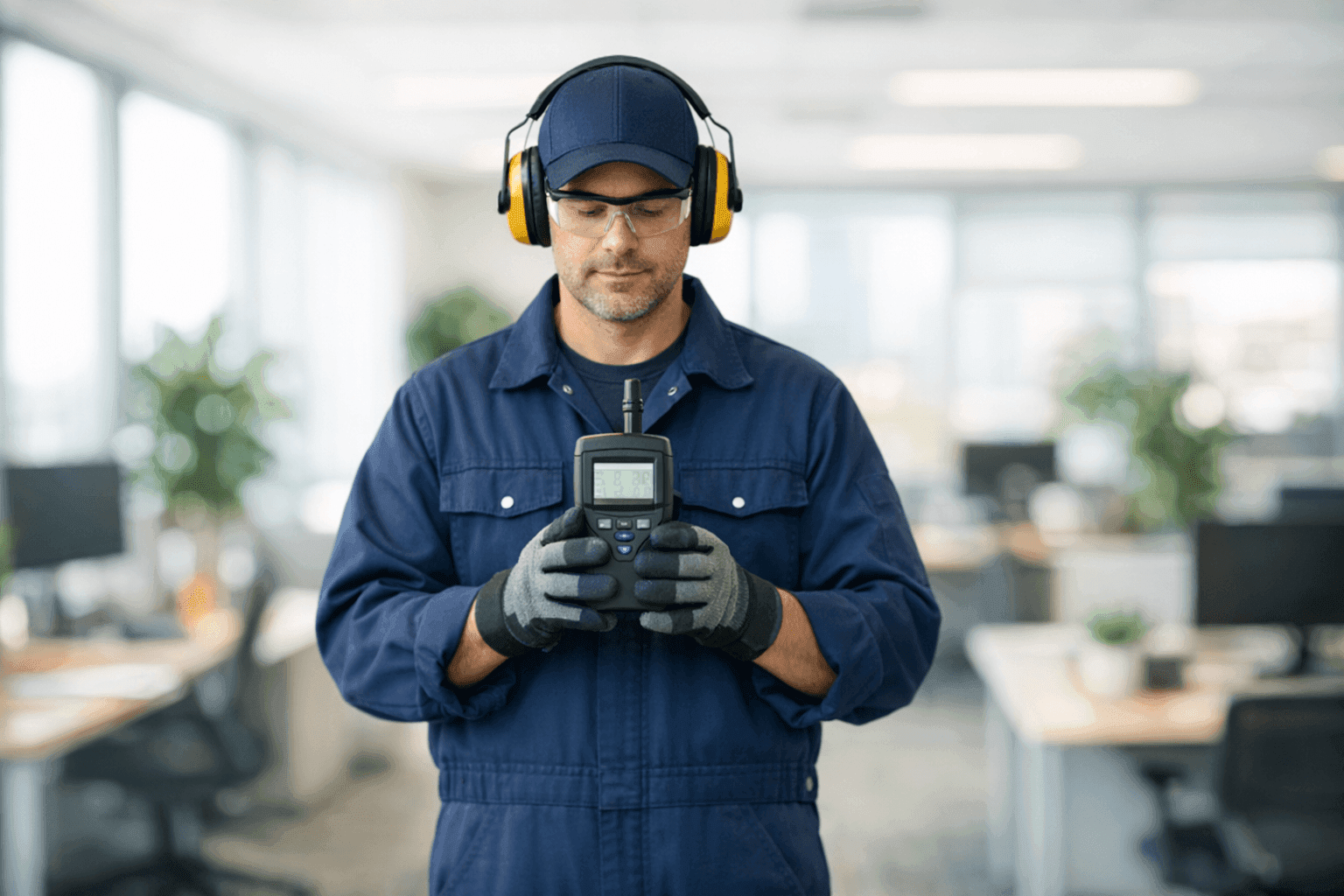
At Matlock HVAC, our technicians use state-of-the-art sensors to analyze:
- Particulate levels (PM2.5, PM10)
- Carbon dioxide (CO₂) and carbon monoxide (CO)
- VOC concentrations
- Relative humidity and temperature
- Airflow and pressure balance
Testing gives you a clear snapshot, so you can target the right solution. For more details on what’s involved, visit our indoor air quality service page.
The Role of Air Scrubbers and Filters
Imagine your air system as a defense team. Filters are the goalie—blocking big threats like dust and pollen. Air scrubbers are the agile midfielder—catching what slips through, from bacteria to fumes.
- HEPA and high-MERV filters: Trap fine dust, pollen, and even some bacteria.
- UV-C air scrubbers: Use ultraviolet light to disrupt germs and viruses.
- Activated carbon filters: Absorb odors and chemical vapors.
Choosing the right tools depends on your building’s needs. For example, a flower shop might focus on VOC removal, while a dentist’s office needs top-tier germ control.
Air Balancing for Commercial Comfort
Ever felt one meeting room is freezing, while another is stuffy? That’s a sign of unbalanced air. Air balancing means adjusting airflow so every part of your building gets the right amount of fresh, filtered air.
Proper air balancing can:
- Even out temperatures, cutting down on complaints
- Reduce energy waste and lower utility bills
- Prevent hot or cold spots that lead to mold growth
A professional can test your system’s pressure and tweak dampers or fans as needed.
Long-Term Solutions: Invest in Lasting Air Quality
Quick fixes help, but real change comes from investing in your building’s infrastructure.
Consider these lasting upgrades:
- Dedicated outdoor air systems (DOAS) for steady fresh air
- Smart thermostats to monitor IAQ and adjust settings automatically
- Duct cleaning to remove decade-old dust and allergens
- Sealed ductwork to prevent leaks and contamination
- Zoned HVAC for tailored comfort and efficiency
Each step boosts air quality and pays off in productivity, fewer sick days, and stronger reputation.
The Value of Routine Maintenance and Monitoring 🛠️
Think of maintenance like regular checkups for your building’s lungs. Skipping them invites trouble.
- Change filters as recommended—sometimes monthly in busy spaces
- Clean coils, fans, and ductwork to keep things moving smoothly
- Schedule annual IAQ testing for peace of mind
- Check and calibrate sensors, thermostats, and control systems
Modern monitoring tools let you track air quality in real-time, giving you alerts if something goes wrong.
Employee Health and Productivity: The Business Case
The stakes are high. Poor air can cause headaches, fatigue, and allergies. Worse, it spreads germs faster, especially in open-plan offices or shared break rooms.
According to the World Green Building Council, better IAQ can boost productivity by up to 11%. It’s not just about health—it’s about your bottom line.
DIY vs. Professional Help
Some tasks, like changing filters, are DIY-friendly. But diagnosing mold, balancing air, or installing air scrubbers? Leave that to pros with the right gear.
A professional HVAC team brings:
- Certified testing equipment
- Experience with local codes and industry standards
- Solutions tailored to your business
If you’re ever unsure, don’t guess. The cost of a missed hazard can be far higher than a service call.
What Professional Technicians Do On Arrival
Expect a thorough checkup. The technician will:
- Inspect filters, coils, and ducts
- Test air quality with calibrated sensors
- Check for leaks, blockages, or signs of mold
- Calibrate thermostats and controls
- Recommend upgrades or repairs, if needed
A good technician explains every finding, so you’re never left in the dark.
Quick Safety Checklist for Business Owners ✅
Keep this handy:
- Are all vents and returns unblocked?
- Are filters clean and replaced as scheduled?
- Any signs of water leaks or visible mold?
- Is the HVAC system serviced at least twice a year?
- Are humidity and temperature within comfort ranges?
A “yes” to all means you’re on the right track.
When It’s an Emergency
Some issues can’t wait. If you notice sudden strong odors, visible smoke, or employees getting sick fast—shut down affected areas and call for immediate help.
For businesses located in Southeast Michigan, our team is available 24/7, and you can find support through our Detroit commercial HVAC page.
Seasonal Considerations for Commercial IAQ
Seasons change, and so do your air quality needs.
- Spring: Pollen surges, so check filters and consider air scrubbers.
- Summer: High humidity can lead to mold—use dehumidifiers.
- Fall: HVAC systems kick back on—inspect for dust buildup.
- Winter: Dry air is common—install humidifiers near you to protect comfort and equipment.
Adjust maintenance schedules with the seasons, and your building will breathe easier.
Common Mistakes Businesses Make
- Ignoring small complaints (“It’s stuffy in here”)
- Skipping scheduled maintenance
- Using the wrong filter for the space
- Not training staff on basic IAQ upkeep
- Assuming new buildings are immune
Awareness is the first step to prevention.
Signs Your Commercial IAQ Needs Attention
Keep an eye (and nose) out for:
- Persistent odors that don’t go away
- Employees reporting headaches or allergies
- Noticeable dust buildup around vents
- Stale air that feels heavy or damp
If you spot these, it’s time to act.
Preparing for Service: What to Expect
A little prep smooths the process. Clear access to mechanical rooms and vents. Have maintenance logs ready if possible. Plan for brief interruptions—but most work is minimally disruptive, especially with experienced teams.
Materials and Equipment Used
Every job is unique, but pros rely on:
- High-MERV or HEPA filters
- Portable IAQ monitors
- UV-C air scrubbers and ionizers
- Commercial-grade humidifiers and dehumidifiers
- Sealing and cleaning tools for ductwork
Investing in quality equipment brings long-term benefits.
FAQ: Commercial Indoor Air Quality
How often should I test IAQ?
Most businesses benefit from annual testing, though high-risk industries may need more frequent checks.
Can I use residential air purifiers in a business?
They may help in small offices, but commercial spaces need higher-capacity solutions tailored for square footage and occupancy.
Are air scrubbers noisy?
Modern models are designed for quiet operation, suitable even in meeting rooms.
Does insurance cover IAQ upgrades?
Sometimes, especially if it’s tied to employee health or required by code. Check with your provider.
Ready to take control of your building’s air? Matlock HVAC is here to help you breathe easier, every day.
Call Matlock HVAC now — or reach us anytime at 844-484-6545 .