HVAC Installation Guide: Steps to a Smooth Upgrade
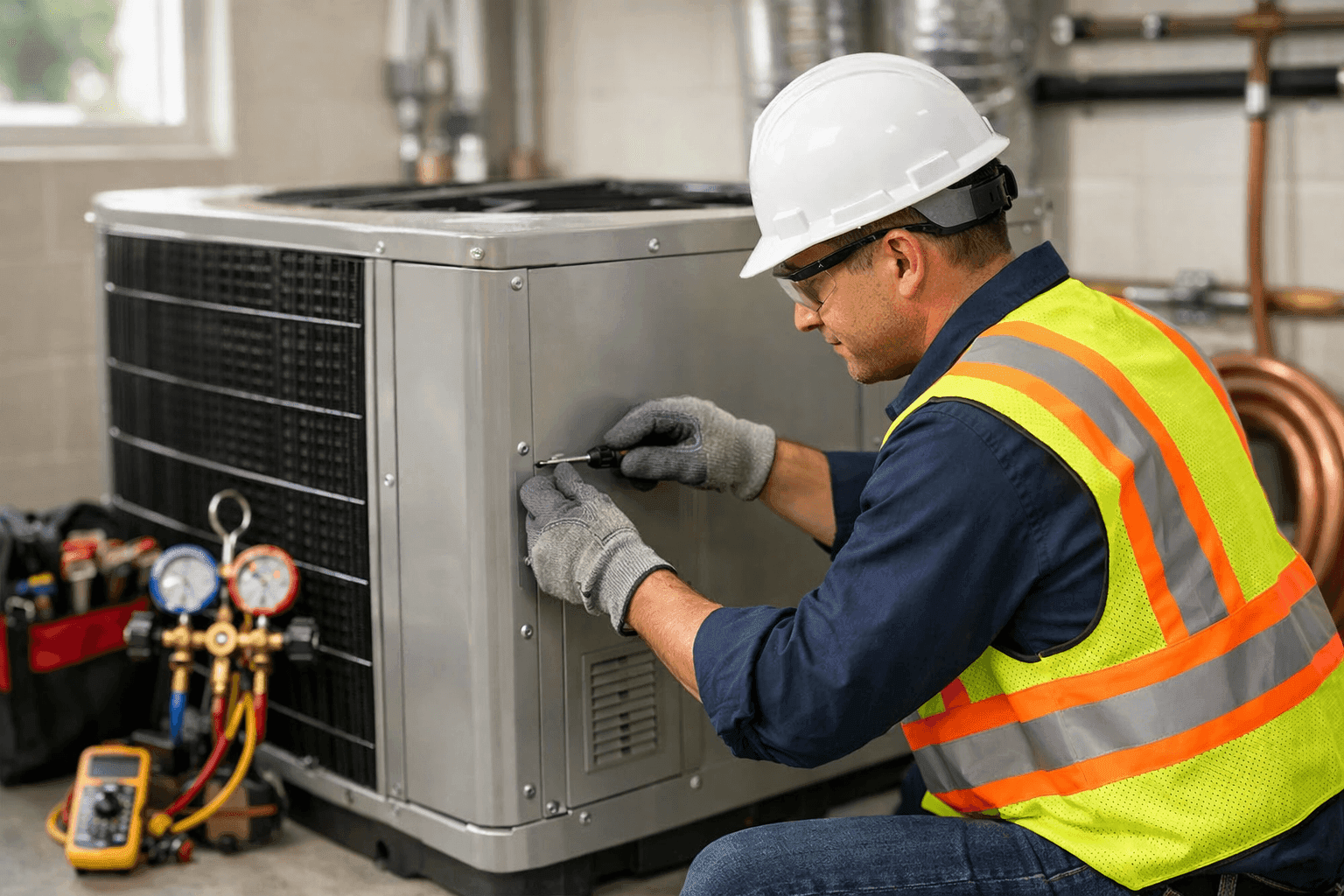
When it comes time to replace or upgrade your HVAC system, the process can feel overwhelming. Questions swirl—Will it be noisy? How long will it take? Will my home or business be left in chaos? At Matlock HVAC, we know this is a big investment, both in comfort and peace of mind.
This guide walks you through every step, so you know what’s coming and how to get the best results. Whether you’re a homeowner or managing a commercial property, understanding the process helps you avoid surprises and get back to normal faster.
Preparing for Your New HVAC System 🛠️
Preparation is half the battle. Think of it like prepping for a major kitchen renovation—the smoother the setup, the less disruption you’ll face.
- Clear the area: Move furniture, boxes, or anything blocking access to vents, furnace rooms, or outdoor units.
- Plan for pets and kids: Keep them safely away from work zones.
- Ask about permits: Some towns require building or electrical permits. Your contractor should handle this, but it’s smart to confirm.
- Check electrical access: Installers may need to shut off power for safety.
- Communicate needs: If you have comfort concerns—like a cold spot in the living room or stuffy office—mention these before work begins.
Pro tip: If you use specialty equipment like humidifiers or air scrubbers, let your installer know so everything works together seamlessly.
The Installation Process Explained
Upgrading an HVAC system isn’t just swapping out boxes. It’s more like tailoring a suit—the fit and finish matter.
Here’s a typical sequence for HVAC installation services:
- Assessment: Technicians survey your space, measure rooms, check insulation, and evaluate ductwork. This helps size the new system correctly—too big or too small means wasted energy and uneven comfort.
- Removal: Old equipment is carefully disconnected and hauled away. Reputable contractors recycle refrigerants and dispose of parts according to EPA guidelines.
- Prep work: Sometimes, ducts or electrical lines need updating. Sheet metal work may be required to fit new units.
- Installation: New equipment is positioned, connected, and secured. This includes wiring, refrigerant lines, drains, and controls.
- Testing: Installers run the system, check airflow, and verify that everything operates within manufacturer specs.
- Cleanup: Good crews tidy up, leaving your space as clean as they found it.
What to Expect on Installation Day
Expect a bit of controlled chaos, but nothing you can’t manage. Installers will arrive with tools, parts, and protective gear. Drop cloths protect floors and walls, minimizing dust and debris.
- Timeline: Most residential jobs take one day. Larger homes or commercial spaces may need two or more.
- Noise: There’s some drilling and movement, but it’s usually less disruptive than major remodeling.
- Access: Workers will need to move between indoor and outdoor areas. Make sure gates and doors are unlocked.
- Temporary discomfort: There may be a few hours without heating or cooling—plan accordingly.
Think of it as a pit stop for your comfort system. A little downtime now means smooth running for years ahead.
Post-Installation Checks and Maintenance
Once the dust settles, it’s time for final checks—your new system is only as good as its setup.
- System walkthrough: Your installer should explain controls, show you how to adjust thermostats, and answer questions.
- Documentation: Keep all manuals and warranty papers handy.
- Register your equipment: Many manufacturers require online registration for warranty coverage.
- Schedule regular care: Routine HVAC maintenance keeps your system efficient and reliable.
Simple tasks—like changing filters and checking for odd noises—go a long way toward preventing breakdowns. The U.S. Department of Energy recommends annual professional inspections for optimal performance.
Choosing the Right Contractor
Not all HVAC contractors are created equal. Look for:
- Credentials: Proper licensing and insurance.
- Training: Technicians certified by organizations like NATE (North American Technician Excellence).
- Clear communication: Are your questions answered? Is the quote detailed?
- References: Ask for recent customer feedback.
A trustworthy contractor will never pressure you into unnecessary upgrades or rush the process. They’ll treat your home or business with care and respect.
Quick Safety Checklist
Safety isn’t negotiable. Before work begins, confirm:
- Installers will follow OSHA safety guidelines.
- Electrical and gas lines are handled by trained professionals.
- All work is performed to local code.
If you’re unsure, don’t hesitate to ask for clarification. Your safety—and your property’s—comes first.
DIY vs. Call a Pro
Some things are best left to the pros. Installing a new HVAC system is one of them. Specialized tools, technical know-how, and code requirements make this a job for certified technicians. Attempting a DIY install can void warranties and create safety hazards.
Common Mistakes to Avoid
- Wrong system size: Bigger isn’t always better. Oversized units cycle on and off, wasting energy and wearing out faster.
- Ignoring ductwork: Leaky or poorly sized ducts can undermine even the best equipment.
- Skipping maintenance: New doesn’t mean maintenance-free. Regular checks keep your investment running strong.
- Not asking questions: Don’t be shy—clarity now prevents headaches later.
Timeline & Disruption
Most residential HVAC installations wrap up in a single day, but factors like complex ductwork, multiple zones, or custom sheet metal can stretch the timeline. Commercial jobs may take several days.
Plan for:
- Temporary loss of heating/cooling
- Some noise and foot traffic
- Possible need to adjust your schedule
Materials and Equipment
Your installer should use quality parts—reliable brands, insulated ducts, and up-to-date thermostats. Ask about:
- Energy efficiency ratings (SEER, AFUE)
- Compatibility with accessories like humidifiers or whole-house fans
- Smart controls for remote access
When It’s an Emergency
Sometimes, HVAC upgrades can’t wait—especially during extreme weather. If your system fails in the middle of a cold snap or heatwave, speedy service is critical. For those needing fast help, Aspen Hill HVAC services are available around the clock for urgent repairs and installations.
Seasonal Considerations
Spring and fall are ideal for upgrades—mild weather means less discomfort during installation. But don’t wait for a breakdown. Planning ahead gives you time to research options and schedule work at your convenience.
Signs It’s Time for an Upgrade
- Rising energy bills
- Uneven temperatures
- Frequent repairs
- System age (typically 10–15 years for most HVAC units)
- Noisy operation
If you notice any of these, it’s worth having your system evaluated.
Air Quality and Comfort Upgrades
A new HVAC system is a great time to think about indoor air quality. Options like air scrubbers, upgraded filters, and balanced ventilation can make a noticeable difference—especially for allergy sufferers or businesses with high foot traffic. Ask your installer about integrating IAQ testing or adding dehumidifiers for year-round comfort.
Final Thoughts: Smooth Upgrades Start with Planning
Upgrading your HVAC system doesn’t have to be stressful. With the right preparation, a clear understanding of the process, and a professional team, you’ll enjoy better comfort, lower bills, and peace of mind for years to come.
Call Matlock HVAC now — or reach us anytime at 844-484-6545 .