How Humidity Levels Affect Comfort and HVAC Performance
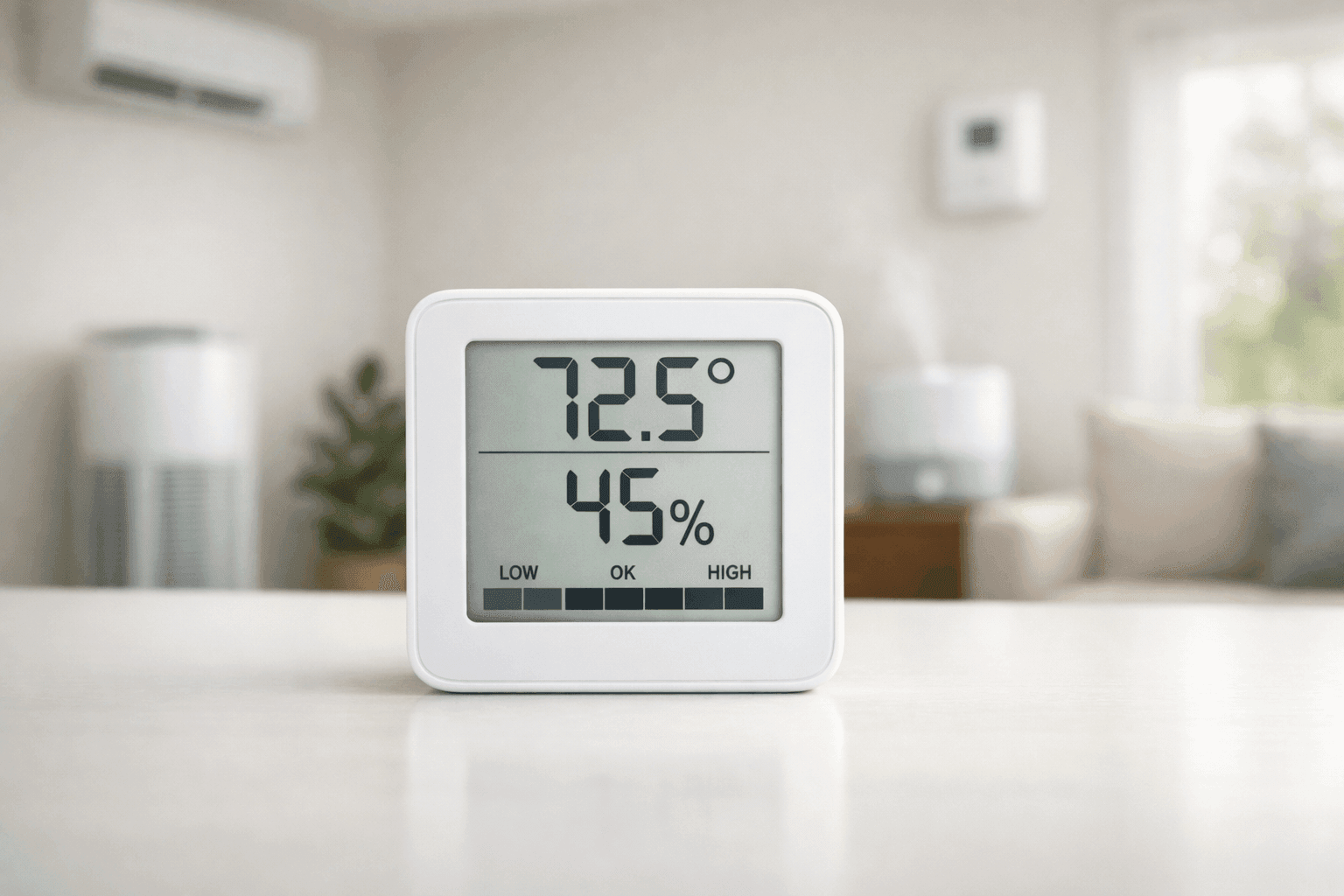
Is your home sometimes stuffy and damp? Or maybe it’s so dry in winter that your skin cracks and the static shocks never stop. Many people don’t realize just how much indoor humidity shapes day-to-day comfort—and how it quietly impacts HVAC performance, too.
At Matlock HVAC, we see it all: cozy bedrooms turned clammy, offices that feel like deserts, and HVAC systems working overtime to battle the invisible enemy—improper humidity. Let’s peel back the curtain and show you why controlling humidity is about more than just comfort. It’s a key to efficiency, health, and peace of mind.
Why Humidity Matters
Humidity is the amount of moisture in the air. Think of it as the “Goldilocks factor”—not too much, not too little, but just right. The sweet spot for indoor relative humidity usually falls between 30% and 50% (per ASHRAE and EPA guidelines). Stray too far on either side, and things can quickly go sideways.
- Too high? You’ll get sticky air, musty smells, and mold lurking in corners.
- Too low? Say hello to dry throats, cracked furniture, and coughs that never end.
But it’s not just about how you feel. Humidity directly affects:
- How hard your HVAC system works
- The quality of the air you breathe
- The structural health of your property
Signs of Improper Humidity
How do you know your home or business is out of balance? Here are some telltale signs:
- Dryness: Static electricity, itchy skin, nosebleeds, or brittle wood floors.
- Dampness: Foggy windows, peeling paint, and that unmistakable “basement smell.”
- Comfort swings: You keep fiddling with the thermostat, but never feel quite right.
- Frequent HVAC cycling: Your system kicks on and off constantly—never settling.
If you spot these clues, it’s time for a closer look. A simple digital hygrometer can tell you your indoor humidity in seconds.
Effects on HVAC and Health
Humidity isn’t just a comfort issue. It’s a sneaky saboteur that can quietly wear down your HVAC equipment and affect your well-being.
HVAC System Strain
- High humidity: Your air conditioner has to work harder to remove moisture. It runs longer, guzzling energy and wearing out faster.
- Low humidity: Heaters dry the air even further, leading to uncomfortable spaces that feel colder than they are. You might crank up the heat—wasting more energy.
Health Risks
- Dry air: Increases the risk of respiratory infections, worsens allergies, and dries out skin and eyes.
- Moist air: Creates a breeding ground for dust mites, mold, and bacteria.
The CDC and EPA both highlight the importance of maintaining healthy humidity levels indoors to reduce these risks.
The Science: Why Does Humidity Matter So Much?
Think of air as a sponge. When it’s dry, it “sucks” moisture out of everything it touches—your skin, your furniture, even your musical instruments. When it’s saturated, that same sponge can’t hold any more, so moisture starts pooling on surfaces, leading to mold and rot.
HVAC systems are designed to control temperature, but they can only do so much if humidity is out of whack. It’s like trying to row a boat with one oar—inefficient and frustrating.
Quick Safety Checklist for Humidity Issues 🛑
- Check for visible mold or mildew—especially around windows, basements, or bathrooms.
- Inspect wood floors and furniture for warping or cracking.
- Listen for frequent HVAC cycling or odd noises.
- Use a hygrometer to get a real-time snapshot of your indoor air.
If you notice anything concerning, don’t wait. Addressing humidity problems early keeps your family or coworkers safer and your building healthier.
Seasonal Humidity Swings
Winter air is often bone-dry, making humidifiers essential. In summer, especially during rainy stretches, indoor air can get muggy fast—calling for dehumidification.
- Winter: Heating dries out the air, sometimes dropping humidity below 20%.
- Summer: Air conditioners help, but in humid climates, they may not keep up.
Adjusting your approach with the seasons helps protect your home and comfort year-round.
DIY vs. Call a Pro
You can make small changes yourself:
- Ventilate kitchens and bathrooms during and after use.
- Run exhaust fans when bathing or cooking.
- Keep gutters and downspouts clear to prevent water intrusion.
But some situations are bigger than a quick fix. Persistent humidity swings, musty odors, or rising allergy symptoms? Time to bring in trained HVAC professionals who know how to assess and solve the problem at its roots.
Tailored Solutions: Humidifiers and Dehumidifiers
At Matlock HVAC, we install and maintain systems that put you back in control of your air. Here’s what helps:
Humidifiers
- Add moisture in winter.
- Protect wood flooring, furniture, and valuable items.
- Soothe respiratory irritation.
Learn more about keeping indoor air comfortable with our humidifier installation and maintenance options.
Dehumidifiers
- Remove excess moisture in damp seasons.
- Stop mold before it starts.
- Make AC systems more effective and efficient.
See how we can help you beat sticky air with professional dehumidifier solutions.
Indoor Air Quality Testing: The Diagnostic Step
Not sure where you stand? Indoor Air Quality (IAQ) testing is like a physical for your building’s air. It pinpoints:
- Humidity trouble spots
- Airborne contaminants
- Hidden mold or allergens
Armed with this data, we can craft a custom plan—no guesswork, just results.
Air Balancing and Ventilation: The Finishing Touch
Airflow matters. Even with perfect humidity, poor ventilation can make rooms feel stuffy or uneven. Our technicians check ductwork, vents, and fans to ensure every corner of your property gets fresh, evenly conditioned air.
Common Humidity Mistakes to Avoid ⚠️
- Ignoring condensation on windows or pipes.
- Over-humidifying in winter—more is not always better!
- Blocking return air vents with furniture or drapes.
- Forgetting to change HVAC filters, which can trap moisture and worsen air quality.
A little vigilance goes a long way toward keeping your system running smoothly.
When It’s an Emergency
Sometimes, humidity issues cross the line from nuisance to emergency—think burst pipes from freezing winter air, or flooding and rapid mold growth during storms. Fast, professional help is critical.
If you’re in the Portland area and need urgent support, you’ll find Matlock HVAC’s availability for emergencies and local solutions reassuring.
Professional Advice: What to Expect
When you call us, here’s what happens:
- We perform a full assessment, including IAQ and humidity checks.
- We explain our findings in plain language—no jargon, just facts.
- We propose solutions that suit your budget and space, whether you need a humidifier, a dehumidifier, or both.
Our team follows industry best practices, referencing ASHRAE and EPA standards to ensure your indoor air is not just comfortable, but safe.
Practical Tips for Everyday Humidity Control
- Place a hygrometer in main living areas and check weekly.
- Use bathroom and kitchen fans consistently.
- Keep doors between rooms open for better air circulation.
- Schedule annual HVAC maintenance to catch issues early.
Frequently Asked Questions
Q: What’s the ideal humidity for my home or business?
A: Aim for 30–50% relative humidity. This range supports comfort, health, and HVAC efficiency.
Q: Can humidity affect energy bills?
A: Absolutely. High humidity makes your AC work harder; low humidity does the same for your heat. Balanced humidity helps your system run less, saving energy.
Q: Do I need professional installation for humidifiers or dehumidifiers?
A: Yes, for whole-house systems. Proper placement and sizing matter—done wrong, you might create new problems.
Prevention & Maintenance
Regular checkups keep humidity in check and prevent small issues from becoming big, expensive repairs. Schedule HVAC tune-ups before each heating and cooling season. Replace filters on time. Keep an eye (and nose) out for unusual changes in air quality.
Final Thoughts
Humidity is invisible—but its effects are everywhere. With the right balance, your home or business feels just right, your HVAC system runs efficiently, and your air is healthier to breathe. Don’t leave comfort to chance. Take control of your indoor environment with the help of Matlock HVAC.
Call Matlock HVAC now — or reach us anytime at 844-484-6545 .