Humidifiers vs. Dehumidifiers: Which Do You Need?
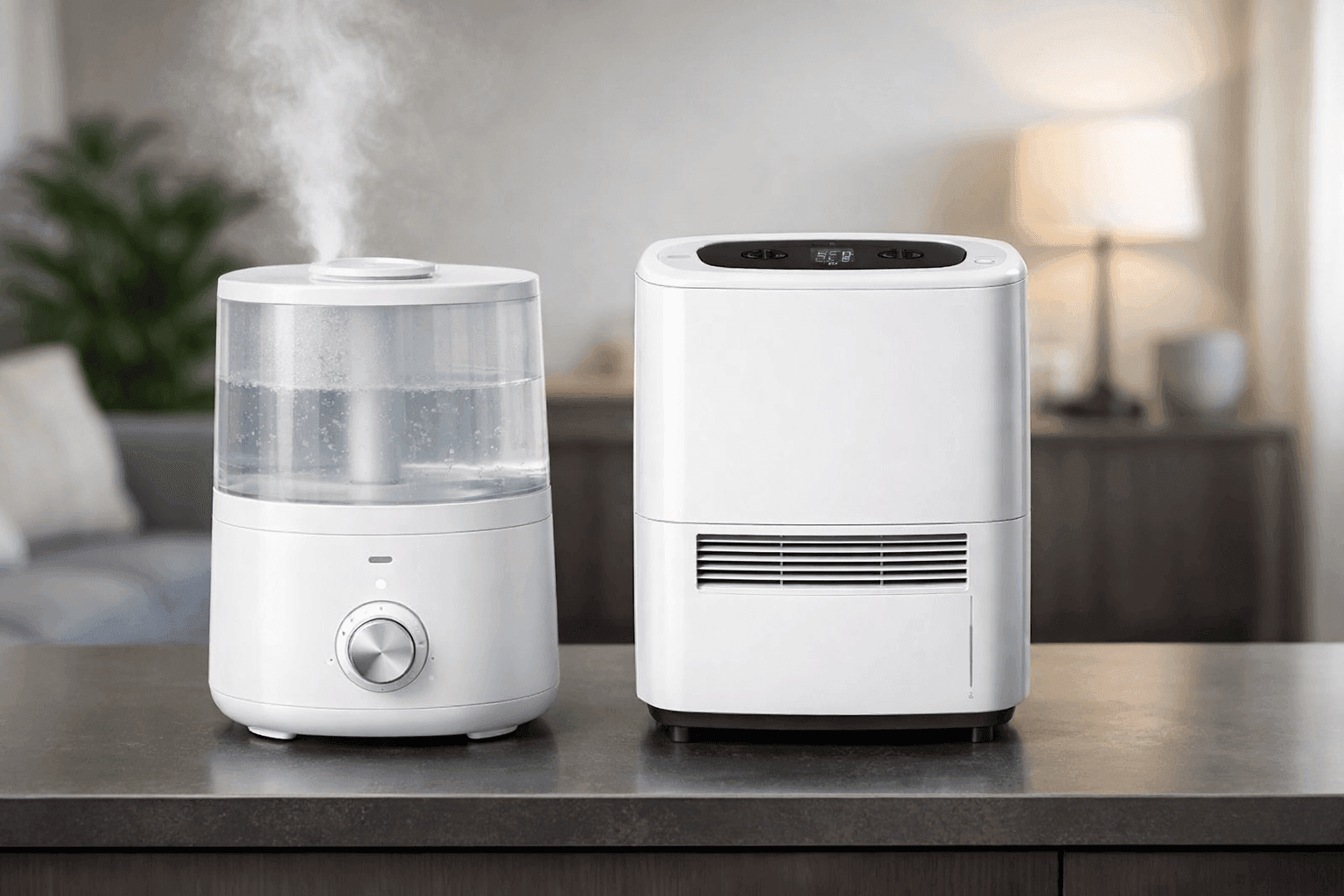
Have you ever noticed your skin itching in winter or a musty smell lingering in your home after it rains? You’re not alone. Indoor air can shift between parched and muggy in a heartbeat, especially as seasons change or weather gets wild. The right balance isn’t just about comfort—it’s about your health and peace of mind.
At Matlock HVAC, we know the tug-of-war between humidifiers and dehumidifiers is real, and choosing the right solution can feel like standing at a fork in the road. Let’s break it down, so your air feels just right—all year round.
How Humidity Affects Comfort and Health 🌡️
Humidity isn’t just a number on a gauge. It’s the invisible thread weaving through your comfort, your health, and even your home’s structure. Think of humidity like the Goldilocks zone: too little, and everything feels dry as a desert; too much, and you’re swimming through the air.
- Low humidity can crack lips, dry out sinuses, and make wood floors creak.
- High humidity creates a breeding ground for mold, dust mites, and bacteria.
The Environmental Protection Agency (EPA) recommends keeping indoor humidity between 30% and 50%. Staying in this range supports clear breathing, healthy skin, and even protects your furniture and walls from long-term damage.
Signs You Need a Humidifier or Dehumidifier
Sometimes, your home sends clear signals. But the clues can be easy to miss unless you know what to look for.
You Might Need a Humidifier If:
- Your skin feels itchy or flaky, especially in winter.
- You’re battling frequent nosebleeds or sore throats.
- Wooden furniture or floors show cracks or gaps.
- Static electricity zaps you every time you touch a doorknob.
You Might Need a Dehumidifier If:
- There’s a persistent musty odor in basements or bathrooms.
- Windows sweat or collect condensation indoors.
- Mold spots appear on ceilings or walls.
- Allergy symptoms ramp up, especially in wet weather.
If these sound familiar, it’s time to take a closer look at your indoor air.
Key Differences and Applications
Humidifiers and dehumidifiers are two sides of the same coin, but they solve very different problems.
- Humidifiers add moisture to the air. They’re your best friend in dry, cold climates or during winter heating.
- Dehumidifiers pull moisture out. They shine in damp, muggy summers or anywhere water tends to collect.
Residential: Bedrooms, nurseries, and living areas often benefit from humidifiers in winter and dehumidifiers in summer—sometimes even in the same home but different rooms.
Commercial: Offices, healthcare spaces, and schools need consistent humidity control to keep electronics, paperwork, and people protected year-round.
Pros and Cons of Each Solution
Every tool has its ups and downs. Choosing the right one depends on your space, habits, and local weather.
Humidifiers: Benefits & Drawbacks
Pros:
- Relieves dry skin and respiratory irritation.
- Reduces static electricity.
- Protects wood and musical instruments.
Cons:
- Requires regular cleaning to prevent mineral buildup and bacteria.
- Can make air feel stuffy if overused.
For the right setup, consider humidifiers designed for your space and usage.
Dehumidifiers: Benefits & Drawbacks
Pros:
- Prevents mold and mildew.
- Cuts down on dust mites and allergens.
- Helps clothes dry faster indoors.
Cons:
- Units need routine filter changes and water tank emptying.
- Over-drying can irritate airways or damage wooden items.
Explore dehumidifier options that fit your needs.
Maintenance and Ongoing Care 🧰
A well-maintained system works smarter, not harder—and keeps your air safer.
- Weekly: Rinse and refill humidifier tanks; empty dehumidifier reservoirs.
- Monthly: Inspect for mineral buildup, algae, or mildew. Replace or clean filters.
- Seasonally: Deep-clean units before long periods of heavy use, like winter for humidifiers and summer for dehumidifiers.
Follow manufacturer instructions and always unplug before servicing. The CDC and EPA provide guidelines for safe use—following these helps prevent health risks.
Real-World Scenarios: What Fits Your Home or Business?
Imagine a family in a two-story home: the bedrooms upstairs get bone-dry in winter, but the basement starts to feel damp as spring rains arrive. Here, a humidifier brings comfort to sleeping spaces, while a dehumidifier battles basement moisture.
Or take a dentist’s office: sensitive equipment and patient comfort hinge on steady humidity levels. Both humidifiers and dehumidifiers may play a role—sometimes monitored by smart thermostats.
Common Mistakes and How to Avoid Them
- Ignoring humidity readings: Guesswork leads to over- or under-correction. Use a reliable hygrometer.
- Overusing units: Too much moisture breeds mold, too little dries out wood and skin.
- Neglecting maintenance: Dirty tanks or filters can spread bacteria and allergens.
DIY vs. Calling a Pro
Small tabletop units are fine for one room. But whole-house systems—or spaces with recurring issues—deserve professional assessment. HVAC technicians check airflow, ductwork, and recommend solutions that last.
When It’s an Emergency 🚨
Sudden water leaks, flooding, or unexplained mold growth can make indoor air unsafe fast. If you’re in a situation where humidity spirals out of control, local teams are ready to respond—see Tuscaloosa availability and support for urgent needs.
Quick Safety Checklist
- Unplug units before cleaning.
- Keep cords and plugs dry.
- Use distilled water in humidifiers to reduce mineral deposits.
- Place dehumidifiers away from walls for better airflow.
Seasonal Considerations
Winter brings dry air, summer ramps up the humidity. Adjust your settings or swap units as the seasons change. Some smart thermostats and IAQ monitors automate this—keeping comfort dialed in without constant fiddling.
Timeline & Disruption: What to Expect
Portable units are plug-and-play, but whole-home installations take a few hours to a full day. Technicians may need attic or crawlspace access. Expect some noise and movement, but most work wraps up quickly.
Frequently Asked Questions
Q: Can I use both a humidifier and dehumidifier in my home?
A: Yes! Many homes need both, just not in the same space or season.
Q: How do I know what humidity level is best?
A: Aim for 30–50%. Use a hygrometer for real-time readings.
Q: Are there health risks to misusing these systems?
A: Overuse or poor cleaning can lead to respiratory issues. Follow CDC and EPA guidelines for safe operation.
Your Next Steps to Comfortable, Balanced Air
Balancing humidity is as much art as science—tailored to your home and your health. Whether you need to add moisture or take it away, Matlock HVAC is here to guide you. Reach out for a personalized indoor air quality assessment or to talk through your options.
Call Matlock HVAC now — or reach us anytime at 844-484-6545 .