How Whole-House Fans Improve Comfort and Efficiency
Is your home stifling at sunset, even after the AC’s been running all day? Or maybe your business struggles with stale air and rising energy bills as the seasons change. At Matlock HVAC, we know that comfort isn’t just about temperature—it’s about clean, fresh air and running your system smartly.
Whole-house fans can be the missing piece. They’re not just another gadget. They’re a practical, time-tested solution for both cooling and ventilation. Let’s break down how they work, when they shine, and what you need to know before flipping the switch.
What Are Whole-House Fans? 🌬️
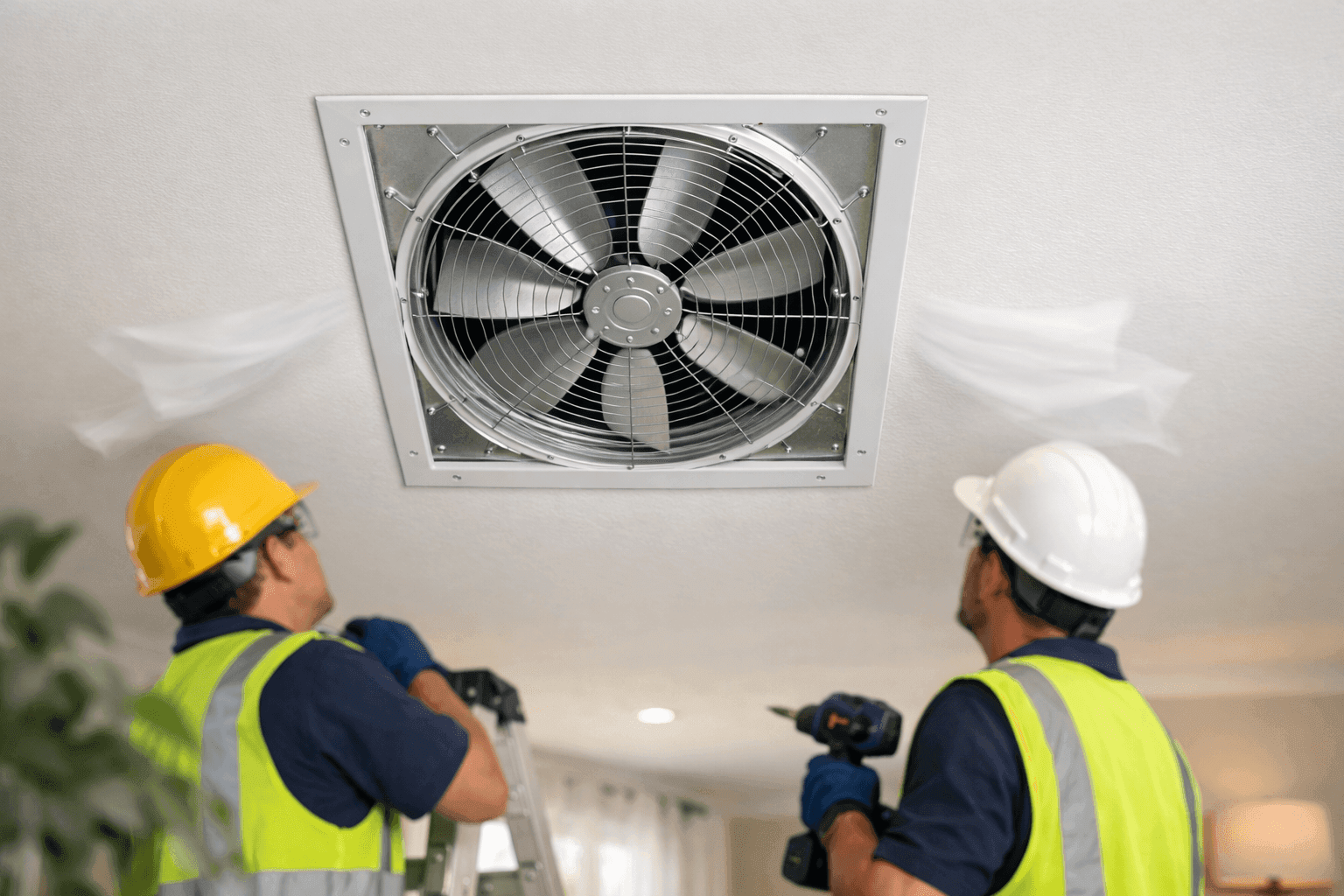
A whole-house fan is like a gentle giant for your building’s lungs. Installed in the ceiling—usually in a central hallway—they pull cool outside air in through open windows and push hot, stale air up and out through attic vents.
Unlike a traditional air conditioner, these fans don’t chill the air. Instead, they work with nature, moving massive amounts of air quickly. The result? A refreshing breeze that can drop indoor temperatures by several degrees in just minutes.
Whole-house fans have been around for decades, but modern designs are quieter, more efficient, and safer than ever. Think of them as a turbocharged window fan for your entire home or workspace.
How They Work for Cooling & Ventilation
Picture a summer evening. The sun dips, and outdoor air cools faster than the heat trapped inside your building. When you turn on a whole-house fan and crack a few windows, the fan draws in that crisp air, sweeping out the stuffy, warm air lingering inside.
Here’s the science in simple terms:
- Airflow: The fan creates negative pressure, pulling fresh air in and pushing warm air out through attic vents.
- Ventilation: It replaces indoor air with outdoor air in a matter of minutes—improving air quality and comfort.
- Energy Savings: By relying on cooler outdoor air, you can give your air conditioner a break, slashing electricity use.
It’s a natural, fast way to ventilate and cool without overworking your HVAC system.
Key Benefits and Ideal Conditions
Why do homeowners and commercial property managers turn to whole-house fans? The perks go beyond lower bills:
- Rapid Cooling: Feel a noticeable difference in minutes, especially after sunset.
- Lower Energy Costs: According to the U.S. Department of Energy, whole-house fans use up to 90% less energy than central air conditioning.
- Better Indoor Air Quality: Constant air exchange means less dust, allergens, and lingering odors.
- Gentle on HVAC Equipment: Reduce wear and tear on your AC by running it less.
- Eco-Friendly: Leverage nature’s cooling power instead of relying solely on refrigerants.
Best conditions: Whole-house fans are most effective when outdoor temperatures drop below indoor levels—think spring, early summer mornings, and cool evenings. They’re ideal for climates with a significant day-night temperature swing.
Sizing Matters: Getting It Right
Sizing a whole-house fan isn’t one-size-fits-all. Too small, and you’ll barely notice the breeze. Too powerful, and you risk creating drafts or negative pressure issues.
HVAC professionals use a simple formula: fan capacity should be 2–3 times your home’s square footage (in CFM, or cubic feet per minute). For example, a 2,000-square-foot home needs a fan rated for 4,000–6,000 CFM. Proper attic venting is just as crucial—without enough exit space, the system can’t work efficiently.
For tailored recommendations, check out our whole-house fans service and see how sizing, placement, and venting work together for optimal performance.
Installation and Safety Considerations
Installing a whole-house fan isn’t just about cutting a hole in the ceiling. It’s a job that demands precision and code compliance.
Here’s what the process involves:
- Choosing the Right Location: Central hallways are best for even airflow.
- Electrical Safety: Proper wiring and dedicated circuits are a must. The National Electrical Code (NEC) sets the standard.
- Sealing & Insulation: Gaps around the fan can cause energy leaks or unwanted drafts.
- Attic Venting: Sufficient vent area is critical to prevent backdrafts or attic overheating.
Professional installation ensures you meet safety guidelines and local building codes. If your property is older or has unique construction, an expert assessment is vital.
When to Call an Expert
DIY can be tempting, but mistakes with wiring, venting, or sizing can lead to inefficiency—or even hazards. If you’re unsure about your attic’s ventilation, or you want to integrate your fan with other HVAC systems, professional help is the safest route.
For those seeking Carrollton HVAC services, local support is available for both residential and commercial needs.
Maintenance Tips for Long-Lasting Performance 🛠️
A whole-house fan is only as good as its upkeep. Here’s how to keep it humming:
- Seasonal Cleaning: Dust off blades and grills before and after heavy use.
- Inspect Belts and Motors: Listen for squeaks or rattles; lubricate bearings if needed.
- Check Attic Vents: Make sure nothing blocks airflow—birds’ nests and insulation can sneak in.
- Test Safety Switches: Some fans have automatic shutoffs; verify they’re working as intended.
Most maintenance is simple, but don’t hesitate to call for help if you spot unusual noises or airflow issues.
Common Mistakes and How to Avoid Them
- Running the Fan with Windows Closed: Always open enough windows to balance airflow and avoid negative pressure.
- Ignoring Attic Vent Size: Too little venting limits performance and can cause attic overheating.
- Skipping Professional Installation: Poor wiring or placement can lead to costly repairs or safety risks.
- Neglecting Regular Maintenance: Dust buildup can reduce efficiency and shorten fan lifespan.
Whole-House Fans vs. Air Conditioning
While both systems cool your space, they play different roles. Air conditioners chill and dehumidify, but they recirculate indoor air. Whole-house fans move outside air through your space, refreshing and ventilating as they go.
On cool nights, a whole-house fan can replace AC entirely. On muggy days, it can pre-cool your home before you switch to AC, reducing run time and energy costs.
Seasonal Considerations: When Are They Most Useful?
Spring and fall are prime seasons for whole-house fans. In regions with wide temperature swings, you can use the fan on cool nights and mornings, then close up and rely on your AC during midday heat.
During pollen season, consider running the fan during times when outdoor allergens are lower. If you have allergies or need specialized filtration, pairing your fan with advanced ventallation and filtration systems can help.
Signs of Trouble
Watch for these red flags:
- Unusual Noises: Grinding, squealing, or rattling can signal worn parts.
- Weak Airflow: Could mean clogged vents or motor trouble.
- Hot Attic: If your attic stays warm, venting may be inadequate.
- Odors: Musty smells could indicate mold or trapped moisture.
Address issues promptly to protect your comfort and investment.
Costs, Time, and Disruption
Whole-house fans are generally more affordable to install than central AC systems. Most projects can be completed in a day, with minimal disruption. The biggest variable? Attic access and venting requirements.
Ongoing costs are low—just electricity for the fan motor and occasional maintenance. The payoff is lower monthly bills and a more comfortable space.
DIY vs. Professional Installation
If you’re handy, you might consider a DIY install. But keep in mind: electrical work, attic venting, and proper sealing are critical. Mistakes can lead to inefficiency or safety risks. A professional brings the tools, know-how, and code expertise to get the job done right.
Prevention and Maintenance: Protecting Your Investment
Regular cleaning, seasonal inspections, and prompt repairs will keep your fan running strong for years. Set a calendar reminder to check belts, blades, and vents each spring and fall. For more advanced systems, schedule annual tune-ups with your HVAC provider.
Frequently Asked Questions
Will a whole-house fan work in humid climates?
They’re most effective when outdoor air is cooler and drier than indoor air. In muggy regions, use them during dry spells or pair with dehumidifiers.
Can I use a whole-house fan with my AC?
Yes. Use the fan to pre-cool your space, then switch to AC if needed. Never run both at the same time with windows open.
Are whole-house fans noisy?
Modern fans are much quieter than older models, especially when professionally installed.
Final Thoughts: Is a Whole-House Fan Right for You?
If you’re looking for a simple, effective way to boost comfort, slash energy costs, and breathe easier, a whole-house fan is worth considering. With the right size, proper installation, and routine care, you’ll enjoy years of fresh, cool air.
Call Matlock HVAC now — or reach us anytime at 844-484-6545 .