How to Safely Use Portable Generators During Power Outages
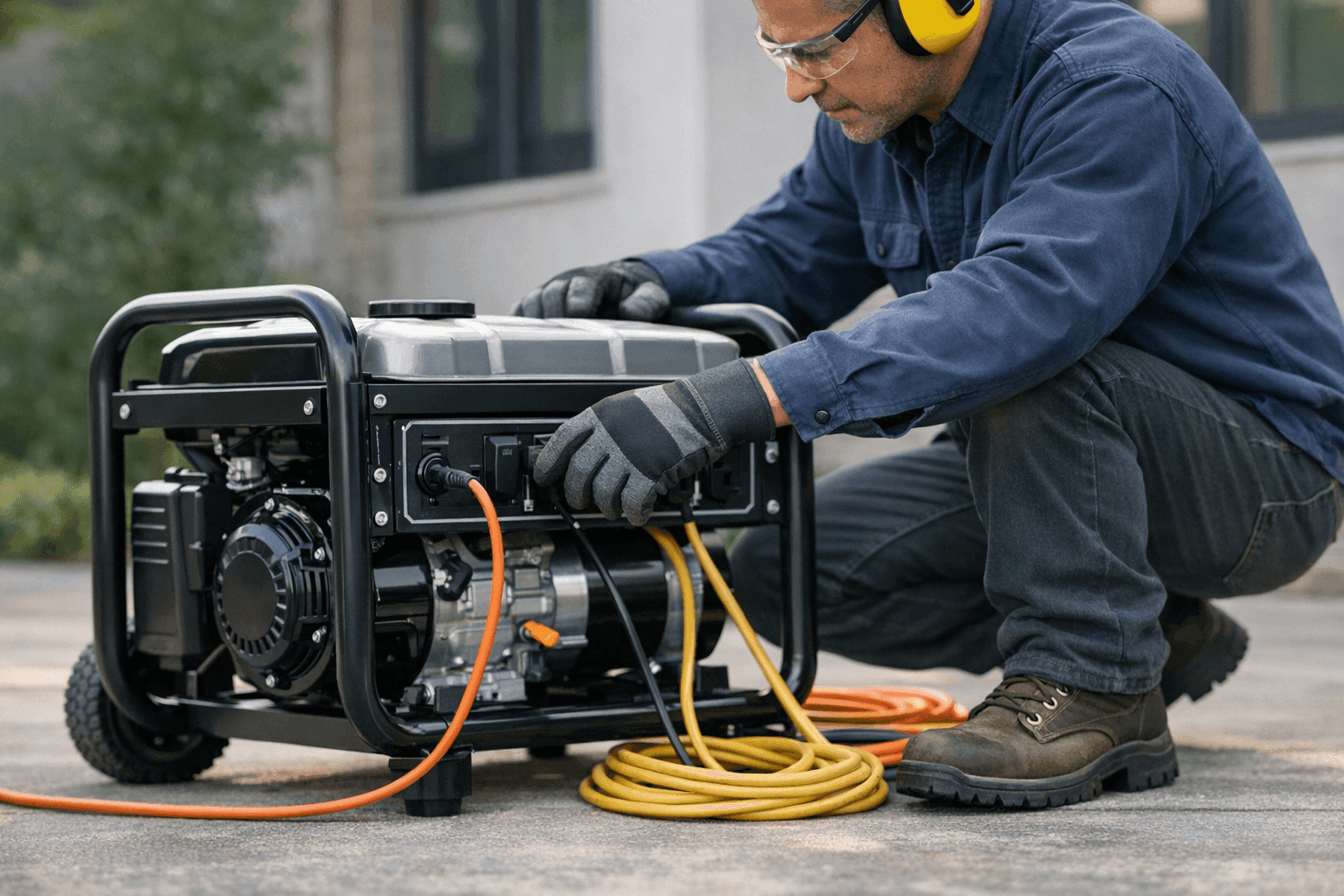
When the power goes out, panic sets in quickly. Food in the fridge. Sump pumps. Lights. Heat. All on pause. That’s why so many homeowners and businesses rely on portable generators for backup energy. But when not used correctly, generators can turn a blackout into a real emergency.
At Matlock HVAC, we’ve seen how simple mistakes with generators can lead to dangerous situations. Let’s walk through how to use portable generators safely—protecting your loved ones, property, and peace of mind.
Portable Generator Safety Basics ⚡
Before you even pull the cord or press “start,” it’s crucial to understand the basic safety rules. Portable generators are powerful—like a river dammed and then suddenly unleashed. That power can be a lifesaver but only if harnessed with care.
- Read the owner’s manual first. Every model is a little different.
- Never use a generator indoors or in enclosed spaces (garages, basements, sheds).
- Keep the generator at least 20 feet from your home, with exhaust pointing away.
- Only use grounded, heavy-duty extension cords rated for outdoor use.
- Don’t overload the generator—know its wattage limits.
The National Fire Protection Association (NFPA) and the U.S. Consumer Product Safety Commission both stress these basics. Treat them as non-negotiable.
How to Set Up and Operate Safely
Setting up your generator is more than plugging it in and hoping for the best. Think of it like planting a tree: location and care matter.
- Site Selection: Place your generator outside, away from doors, windows, and vents. Even a cracked-open window nearby can draw in dangerous fumes.
- Surface: Put the generator on a dry, level surface. Mud and puddles invite shock hazards.
- Connections: Plug appliances directly into the generator, or use a transfer switch installed by a licensed professional. Avoid “backfeeding”—connecting the generator to a home outlet—which can be deadly for utility workers.
- Start-Up: Turn off all connected appliances before starting the generator. Power up the generator first, then add appliances one by one.
- Weather: Use a generator tent or canopy if it’s raining, but never enclose the machine completely.
If you’re unsure about setup or want a permanent solution, professional generator installation is the safest route.
Preventing Carbon Monoxide and Fire Hazards
Carbon monoxide is invisible, silent, and deadly. More than 900 people died from portable generator-related CO poisoning in the U.S. from 2005–2017 (CPSC data). Here’s how to keep your home safe:
- CO Detectors: Install battery-operated carbon monoxide alarms on every floor, especially near sleeping areas.
- Ventilation: Never run a generator indoors, not even with the garage door open.
- Fuel Storage: Store gasoline and propane outside, in approved containers. Away from living spaces, heat sources, or open flames.
- Cool Down: Let the generator cool before refueling. Hot surfaces and vapors can ignite.
A generator can get as hot as a stovetop—touching or spilling on it can spell disaster. Stay alert.
Maintenance Tips for Reliability 🛠️
A generator needs regular attention, just like your HVAC or car. Neglect leads to unreliable starts and, worse, dangerous malfunctions.
- Run your generator monthly for 20–30 minutes to keep fluids circulated.
- Change the oil after the first 20 hours, then as recommended by the manufacturer.
- Check and replace air filters as needed—dust and debris can choke performance.
- Inspect spark plugs and fuel lines. Replace if cracked, worn, or corroded.
- Drain old fuel between seasons to avoid gum and varnish buildup.
Professional generator maintenance goes beyond the basics—catching small problems before they become big headaches.
Quick Safety Checklist
It’s easy to forget a step during the stress of a blackout. Use this mental checklist every time:
- Generator outdoors, 20+ feet from home
- Dry, stable surface and cover if needed
- Appliances plugged directly or via transfer switch
- Carbon monoxide detectors working
- Fuel stored safely away
- Never refuel hot
- Do not overload
Tape this list near your generator for peace of mind.
DIY vs. Professional Help
Some homeowners are confident with tools; others prefer the peace of mind a pro brings. If you’re adding a transfer switch, hardwiring appliances, or troubleshooting engine issues, it’s time to call an expert.
Licensed technicians are trained to identify hazards you might miss—protecting your home, your family, and even your neighbors.
What Pros Do On Arrival
When a Matlock HVAC technician arrives, here’s what you can expect:
- Inspect placement for proper ventilation
- Test CO detectors and ensure safe exhaust direction
- Check fuel lines, oil, and moving parts
- Verify correct wattage and load distribution
- Review your usage habits and answer safety questions
We’ll also offer guidance on upgrades, like whole-home standby generators or integration with your HVAC, if needed.
When It’s an Emergency
Sometimes, the generator won’t start—or worse, you smell fuel or hear a strange noise. If so, shut it down immediately. Don’t risk a fire or carbon monoxide leak.
For residents near Sandy Springs, quick response matters. Local technicians can be found through Sandy Springs emergency services for urgent situations.
FAQ: Common Generator Concerns
How often should I refuel?
Only when the generator is off and cool. Running out of gas mid-operation can damage appliances and the generator.
Can I run a generator overnight?
It’s possible, but only if it’s outside, with CO alarms, and fuel is sufficient. Always check the oil and inspect for leaks.
What should I never plug in?
Sensitive electronics like computers need surge protection. Don’t plug in your generator to wall outlets (backfeeding) as it’s dangerous and usually illegal.
Seasonal Considerations
Generators aren’t just for hurricane season. Winter storms, ice, and even summer brownouts can knock out power. Before each season:
- Test run the generator
- Check fuel supply and expiration dates
- Inspect extension cords for cracks or wear
For those searching “Humidifiers near you” during dry winter outages, remember that some HVAC add-ons require stable backup power, too.
Common Mistakes to Avoid
- Running generators in garages or near open windows
- Overloading outlets or using cheap extension cords
- Skipping routine maintenance
- Ignoring strange noises, leaks, or warning lights
A little caution goes a long way—think of your generator as a helpful but high-maintenance roommate.
Signs of Trouble
Turn off and inspect your generator if you notice:
- Unusual smoke or burning smells
- Sputtering or uneven operation
- Leaking fuel or oil
- Flickering lights or unsteady power
Never ignore these warning signs. They can indicate serious risks.
Timeline & Disruption
Portable generators are meant for short-term use—usually a few hours to a few days. Prolonged outages may require a larger, permanent solution. Planning ahead reduces stress and keeps your home comfortable, whether you’re running fans, fridges, or vital HVAC systems.
Materials & Equipment: What You’ll Need
- Portable generator (properly sized)
- Heavy-duty, outdoor-rated extension cords
- CO detectors with fresh batteries
- Approved fuel containers
- Oil and air filters
- All-weather cover or tent
Keep your gear organized in an easy-to-access spot. In an emergency, scrambling wastes precious time.
Prevention & Regular Maintenance
The best way to avoid accidents is to schedule routine maintenance. This is true for generators and all your critical home systems. Integrating generator upkeep with your regular HVAC maintenance keeps your equipment—and your family—safer all year.
Power outages are stressful, but using a portable generator doesn’t have to be. Remember: a few careful steps can mean the difference between comfort and catastrophe. If you have questions about generator safety or want help preparing your home or business, Matlock HVAC is always here for you.
Call Matlock HVAC now — or reach us anytime at 844-484-6545 .