How to Safely Install a Hood & Exhaust System
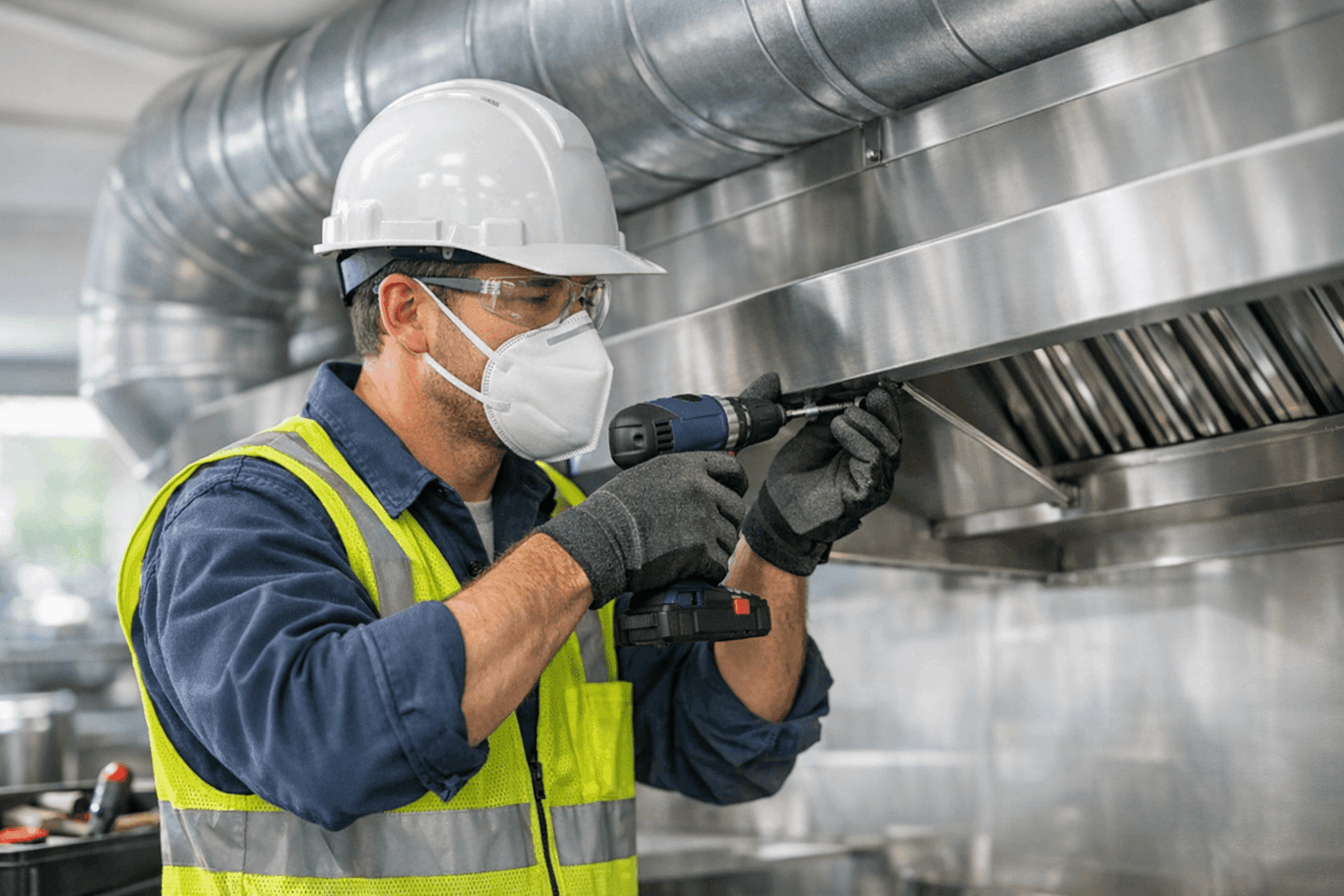
When it comes to keeping your kitchen safe, clean, and comfortable, a properly installed hood and exhaust system is your unsung hero. Whether you’re cooking for your family or running a busy restaurant, poor air quality and smoke can quickly turn a good day into a headache—literally.
At Matlock HVAC, we know a hood system is more than just metal and fans. It’s a lifeline for air quality, fire safety, and peace of mind.
Why Proper Exhaust Matters 🛡️
Imagine your kitchen as a living, breathing space. Every time you fry, grill, or simmer, invisible clouds of grease, steam, and even carbon monoxide can build up. Without a well-designed exhaust, these particles linger, clinging to surfaces, damaging equipment, and threatening health.
A good exhaust system:
- Removes heat, smoke, and grease before they settle.
- Keeps air fresh for cooks and customers alike.
- Reduces fire hazards by capturing flammable particles.
- Meets building codes and insurance requirements.
The National Fire Protection Association (NFPA 96) sets strict standards for commercial kitchen ventilation. Residential kitchens also benefit from following these principles for safety and comfort.
Planning for Safety and Efficiency
Before grabbing a wrench or calling your favorite HVAC technician, start with a solid plan. Every kitchen is unique, and so are its exhaust needs. Think of this step as setting the foundation for a sturdy house.
Assess Your Space
- Type of cooking: Heavy frying needs stronger exhaust than boiling pasta.
- Size and layout: A small café has different needs than a hotel kitchen.
- Local code requirements: City and county codes can dictate minimum airflow and equipment.
- Existing ventilation: Is ductwork already in place, or is this a new install?
Sizing the Hood
A hood too small is like trying to catch a rainstorm with a teacup. Too big, and you waste energy. Sizing depends on:
- Cooking equipment footprint
- Distance from cooking surface to hood
- Type of hood (wall-mounted, island, etc.)
- Desired capture and containment efficiency
Authoritative sources like the International Mechanical Code (IMC) and manufacturer guidelines are essential references during planning.
Installation Steps and Best Practices
Proper hood and exhaust installation isn’t just about bolting things to a wall. It’s an intricate puzzle of airflow, electrical, and fire safety.
1. Prep and Position
- Unbox and inspect equipment for damage.
- Mark wall studs and overhead supports.
- Ensure clearances from combustible materials (per code).
2. Secure the Hood
- Use heavy-duty anchors for support.
- Level the hood to avoid grease pooling.
- Seal edges to prevent leaks.
3. Ductwork and Venting
- Route ducts with minimal bends—like a straight shot down a bowling alley.
- Use smooth, fire-rated materials.
- Seal joints with high-temperature duct sealant.
4. Fan and Exhaust Termination
- Install the exhaust fan on the roof or exterior wall as required.
- Make sure termination is away from windows, doors, and air intakes.
- Add backdraft dampers to prevent unwanted airflow.
5. Electrical & Controls
- Wire the fan and lighting to proper circuits.
- Install switches within easy reach (but away from grease).
6. Fire Suppression (Commercial)
- Integrate UL-listed fire suppression systems if required.
- Position nozzles over high-risk appliances.
7. Final Inspection
- Test fan operation and airflow.
- Check for vibration or noise.
- Inspect for leaks and proper clearances.
Following these steps aligns with NFPA, IMC, and local ordinances, ensuring your system passes inspection.
Common Mistakes to Avoid
Even a small oversight can lead to big problems—think of a ship with a tiny leak. Don’t let these common pitfalls sink your kitchen:
- Improper Sizing: Undersized hoods fail to capture smoke; oversized ones waste energy.
- Too Many Bends: Excess elbows choke airflow, just like a kinked garden hose.
- Poor Sealing: Grease leaks can cause unsightly stains or fire hazards.
- Wrong Materials: Flexible ducts aren’t code-compliant for kitchen exhausts.
- Skipping Permits: Non-permitted installs can void insurance and lead to costly rework.
Always double-check plans against local fire and mechanical code requirements.
Professional Installation Benefits
Why bring in a professional HVAC team for hood and exhaust installation? It’s like trusting an architect to build a bridge rather than just anyone with a toolbox.
What the Pros Bring
- Code Knowledge: We stay current on NFPA, IMC, and local codes.
- Precision Sizing: Using airflow calculations, not just guesses.
- Quality Materials: No shortcuts or sub-par parts.
- Fire Safety Integration: Seamless connection with suppression systems.
- Warranties and Documentation: Critical for commercial kitchens and insurance.
For a comprehensive look at the process, see our hood and exhaust installation service.
Quick Safety Checklist
Before you flip the switch, make sure:
- Hood is level, secure, and sealed tight.
- Duct joints are smooth and fire-rated.
- Fan runs quietly, with strong airflow.
- All electrical connections are inspected.
- No leaks or grease drips.
Regular maintenance—like filter cleaning and duct checks—keeps your system working like a well-oiled machine.
DIY vs. Calling a Pro
Installing a hood might seem simple, but it’s a bit like changing the brakes on your car. It’s possible, but mistakes can be costly or dangerous.
DIY Risks:
- Voiding appliance warranties
- Failing code inspections
- Fire or carbon monoxide hazards
When to Call a Pro:
- Commercial kitchens or multi-unit buildings
- Complex duct routing
- Fire suppression integration
If you’re unsure, consult with a licensed HVAC contractor before starting.
Signs of Trouble After Installation
Even the best systems need a watchful eye. Be alert for:
- Lingering smoke or odors after cooking
- Excessive noise or vibration
- Grease stains around the hood or walls
- Sudden spikes in utility bills
These can signal airflow or mechanical issues that need prompt attention.
Routine Maintenance and Upkeep
Think of hood maintenance like brushing your teeth—neglect it, and problems pile up. Schedule regular:
- Filter cleaning or replacement
- Duct inspections for grease buildup
- Fan motor checks for wear or noise
- Fire suppression system testing (commercial)
Routine visits keep your kitchen safe and prevent surprise breakdowns. Our ventallation services cover everything from duct cleaning to airflow balancing.
Costs, Disruption, and Timelines
Most residential hood installs take a day; commercial projects vary with complexity. Budget for:
- Equipment and materials
- Permits and inspection fees
- Labor—especially if ductwork or electrical needs upgrades
Plan for some noise and dust, but a professional team cleans up after themselves—leaving your kitchen ready to cook.
When It’s an Emergency
If you smell smoke, see sparks, or your hood stops working mid-service, act fast. Shut down cooking equipment and call for emergency HVAC service. For those needing urgent help in the area, our team is available 24/7—you can check our local support options on the Hillsboro availability page.
Seasonal Considerations
Extreme weather can impact exhaust performance. Winter brings ice and wind, while summer heat strains fan motors. Schedule pre-season checkups to keep your system running smoothly year-round.
Frequently Asked Questions
Do I need a hood for an electric stove?
While not always required, a hood improves air quality and comfort.
Can I vent my hood into the attic?
No—building codes require direct venting to the exterior to prevent moisture and fire risks.
How often should I clean my hood?
Residential filters: monthly. Commercial hoods: as required by local code (often quarterly or monthly).
Are there quiet hood options?
Yes, modern fans and insulated ductwork reduce noise without sacrificing performance.
Final Thoughts
A kitchen hood and exhaust system is your silent shield against heat, smoke, and fire hazards. Safe, efficient installation protects your property, your health, and your peace of mind. If you’re planning an upgrade or facing issues with your current system, Matlock HVAC is here to help—no matter the challenge, size, or schedule.
Call Matlock HVAC now — or reach us anytime at 844-484-6545 .