How to Reduce Noise from Your HVAC System
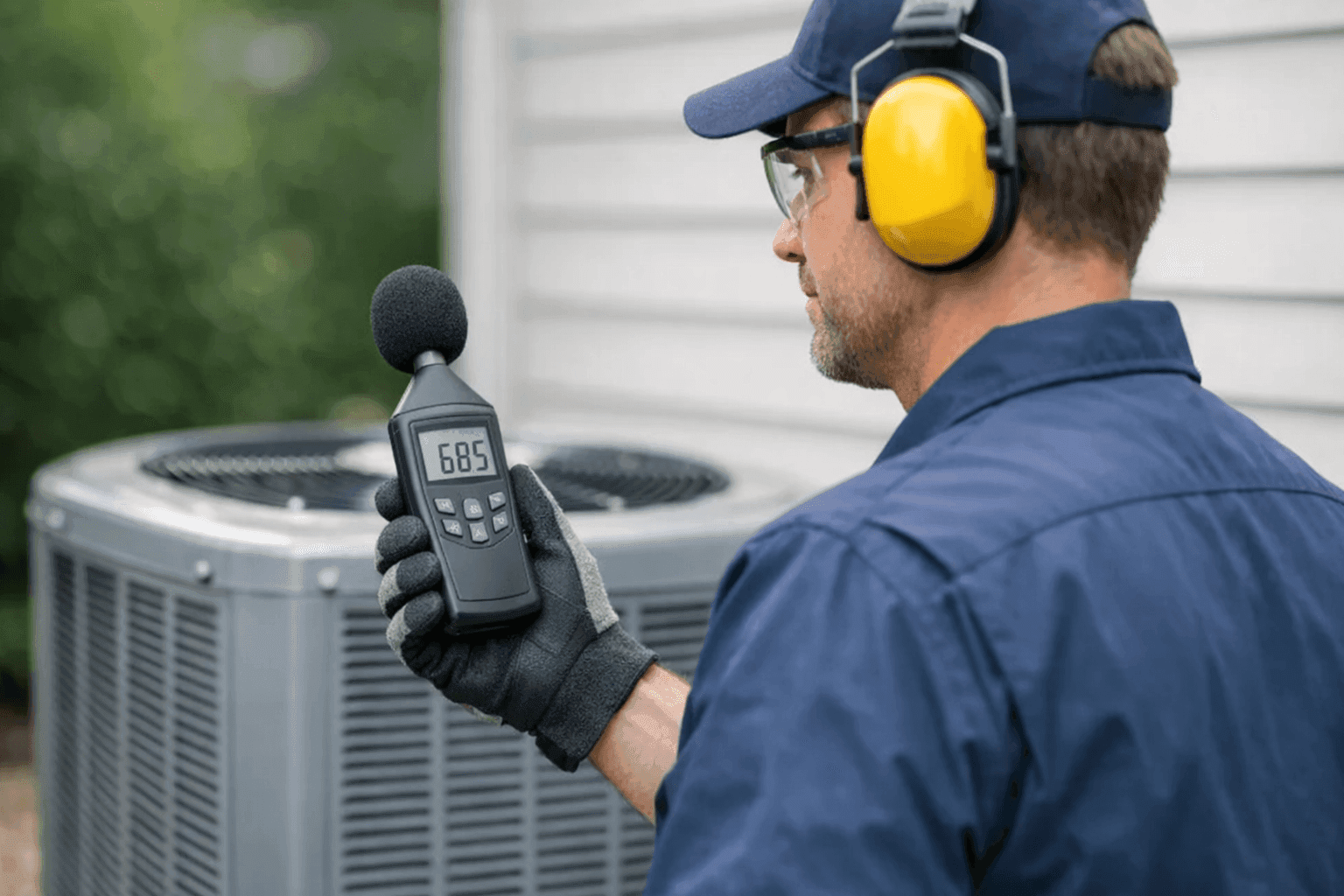
Does your HVAC system sound like a marching band in the attic? The constant rattling, banging, or humming can drive anyone to distraction—especially when you’re trying to relax or keep your business running smoothly. At Matlock HVAC, we understand that peace and quiet are just as important as comfort and air quality.
Let’s help you figure out what’s making all that racket, and what you can do about it—before the noise becomes more than just an annoyance.
Common Causes of HVAC Noise
HVAC noise can sneak up on you like a creaky floorboard in a quiet house. Here’s what might be behind those sounds:
- Loose Parts: Screws, bolts, or access panels can shake loose over time, causing rattles or clanks.
- Dirty or Clogged Filters: When airflow is blocked, your system strains—and it lets you know with loud whistling or whooshing.
- Ductwork Issues: Metal ducts expand and contract with temperature changes, sometimes popping or banging like popcorn in a microwave 🍿. Poorly secured or undersized ducts can also vibrate.
- Worn Bearings or Belts: Older motors or blower assemblies can squeal or grind if their bearings or belts are worn.
- Airflow Obstructions: Toys, insulation, or even a bird’s nest near exterior vents can create strange noises.
- Improper Installation: If your HVAC or sheet metal wasn’t fitted just right, it can lead to ongoing vibrations.
Knowing what kind of sound you’re hearing is a good first step. Is it a sharp bang, a persistent hum, or a high-pitched whistle? Different noises point to different problems.
DIY Noise Reduction Tips
Some fixes are surprisingly simple. If you’re handy, try these before picking up the phone:
- Tighten Loose Panels: Use a screwdriver to snug up any loose screws on your unit’s access panels.
- Replace or Clean Filters: A dirty filter can turn your system into a wind tunnel. Change it regularly—every 1-3 months for most homes.
- Clear Air Vents: Make sure supply and return vents aren’t blocked by furniture, curtains, or dust bunnies.
- Inspect Ducts: Look for visible gaps, disconnected joints, or sections knocking against beams. Adding foam or rubber pads can quiet minor rattles.
- Check Thermostat Settings: Sometimes, switching your fan from “On” to “Auto” can reduce unnecessary noise.
- Weatherstripping: Adding weatherstripping around doors and windows helps keep outside noises from mingling with your HVAC sounds.
If you’re not sure where to start, listen at different points along your system. Sometimes the noise is only at the vents, or right at the air handler.
Professional Solutions for Persistent Noise
If you’ve run through the simple steps and the noise is still keeping you up at night, it’s time for a professional hand. Persistent or changing noises could mean something more serious—or a problem that could get worse (and more expensive) if ignored.
At Matlock HVAC, we approach noise issues like a detective solves a mystery:
- Full System Inspection: We check every screw, belt, and bearing. Sometimes a single worn part is to blame.
- Duct Assessment: Our technicians inspect for loose, undersized, or poorly insulated ducts. Custom sheet metal solutions may be recommended for unusual layouts.
- Air Balancing: Proper air balancing ensures each room gets the right airflow, reducing pressure and noise.
- Vibration Isolation: Adding pads or hangers can separate noisy parts from the building structure.
- IAQ Testing: Sometimes, what sounds like “noise” is actually airflow being choked by dust or debris—routine duct cleaning can make a huge difference.
We always follow OSHA safety guidelines and local building codes to protect your property and your health. If your system is older, or you’re noticing a change after a storm or renovation, don’t delay—persistent noise can be a warning sign.
When to Upgrade or Repair
Not every noisy HVAC needs to be replaced. But sometimes, age or wear means it’s more cost-effective—and quieter—to upgrade. Here are signs you should consider a bigger fix:
- Age & Efficiency: Systems over 15 years old are not only noisier but less efficient.
- Frequent Repairs: If you’re calling for help every season, it might be time to invest in a new system or major component.
- Consistent Unusual Sounds: Grinding, banging, or screeching that persists after basic repairs is a red flag.
- Heating or Cooling Problems: If noise comes with poor performance, your system might be struggling inside and out.
- Ductwork Issues: Old, leaky, or undersized ducts can be replaced or redesigned for quieter operation.
A professional can help you weigh the costs of continued repairs versus replacement. Modern HVAC systems, humidifiers near you, and ductwork are designed with sound-dampening in mind—they’re often whisper-quiet compared to older models.
Quick Safety Checklist
Before you get hands-on, remember:
- Power Down: Always turn off your HVAC system at the breaker before opening panels.
- Watch for Sharp Edges: Ducts and sheet metal can be as sharp as a chef’s knife.
- Check Manufacturer’s Instructions: Each system is different—never force a part or skip a step.
If you’re uncomfortable or unsure at any point, it’s safer (and often cheaper) to call a professional.
When It's an Emergency
Some sounds aren’t just annoying—they’re urgent. Call for immediate help if you notice:
- Electrical Smells or Sparks: Could indicate a fire hazard.
- Grinding or Metal-on-Metal: Suggests imminent mechanical failure.
- Sudden, Loud Bangs: May mean a critical part has failed.
If you’re in our Lynn service area, Matlock HVAC is available 24/7 for true emergencies.
Seasonal Considerations
HVAC noise can change with the weather. In winter, metal ducts contract and pop more; in summer, your outdoor unit may hum louder as it works harder. Schedule maintenance before peak seasons to catch problems early.
Prevention & Maintenance
An ounce of prevention is worth a pound of peace and quiet. Here’s how to keep your system running smoothly:
- Schedule Regular Maintenance: Twice a year—before heating and cooling seasons begin—is ideal.
- Duct Cleaning: Clean ducts mean less debris and less noise. It also improves indoor air quality.
- Replace Filters: Stay on top of filter changes for both performance and sound.
You can learn more about how maintenance helps keep things quiet on our HVAC repair page.
Costs & Time Factors
DIY fixes are usually quick and inexpensive—tightening a screw or changing a filter can take minutes. Professional diagnostics or repairs vary depending on the issue, but most noise problems can be resolved within a few hours. Duct redesigns or major upgrades may take a day or two, but the result is a quieter, more efficient system.
Common Mistakes to Avoid
- Ignoring the Noise: Small rattles can turn into big repairs if left unchecked.
- DIY Overreach: Trying to fix complex mechanical or electrical issues without training can be dangerous.
- Skipping Maintenance: Out of sight should not mean out of mind.
Signs of Trouble
Listen for these warning sounds:
- Whistling: Blocked filters or vents.
- Rattling: Loose parts or ducts.
- Banging: Expanding metal or a failing part.
- Grinding or Squealing: Worn-out motors or bearings.
- Buzzing: Electrical issues.
If you’re hearing something new, don’t ignore it—your HVAC is trying to tell you something.
Timeline & Disruption
Most noise issues can be assessed in under an hour. Simple repairs may be completed the same day, while ductwork or equipment upgrades might require a follow-up. Your comfort and routine matter, so Matlock HVAC works around your schedule whenever possible.
Materials & Equipment
For basic fixes, you’ll need:
- Screwdriver
- Flashlight
- Replacement filters
- Weatherstripping
- Ear protection (if you’re working near loud equipment)
Professional repairs may require specialized tools and replacement parts.
FAQ: Quieting Your HVAC
Why did my HVAC get louder recently?
Changes in noise can mean anything from a loose part to a major mechanical issue. Don’t ignore sudden shifts—get it checked.
Can duct cleaning really help?
Absolutely. Clean ducts reduce airflow resistance and can eliminate whistling or rattling caused by dust buildup.
Are all new systems much quieter?
Most modern systems are designed with noise reduction in mind. Ask about sound ratings when considering an upgrade.
Local Support, Anytime
Noise troubles can strike day or night, especially during peak heating or cooling seasons. Whether you’re in a historic building or a brand-new home, Matlock HVAC is nearby and ready to help. We handle everything from duct cleaning to sheet metal adjustments and full system upgrades.
Call Matlock HVAC now — or reach us anytime at 844-484-6545 .