How to Protect Your HVAC System During Storms and Power Outages
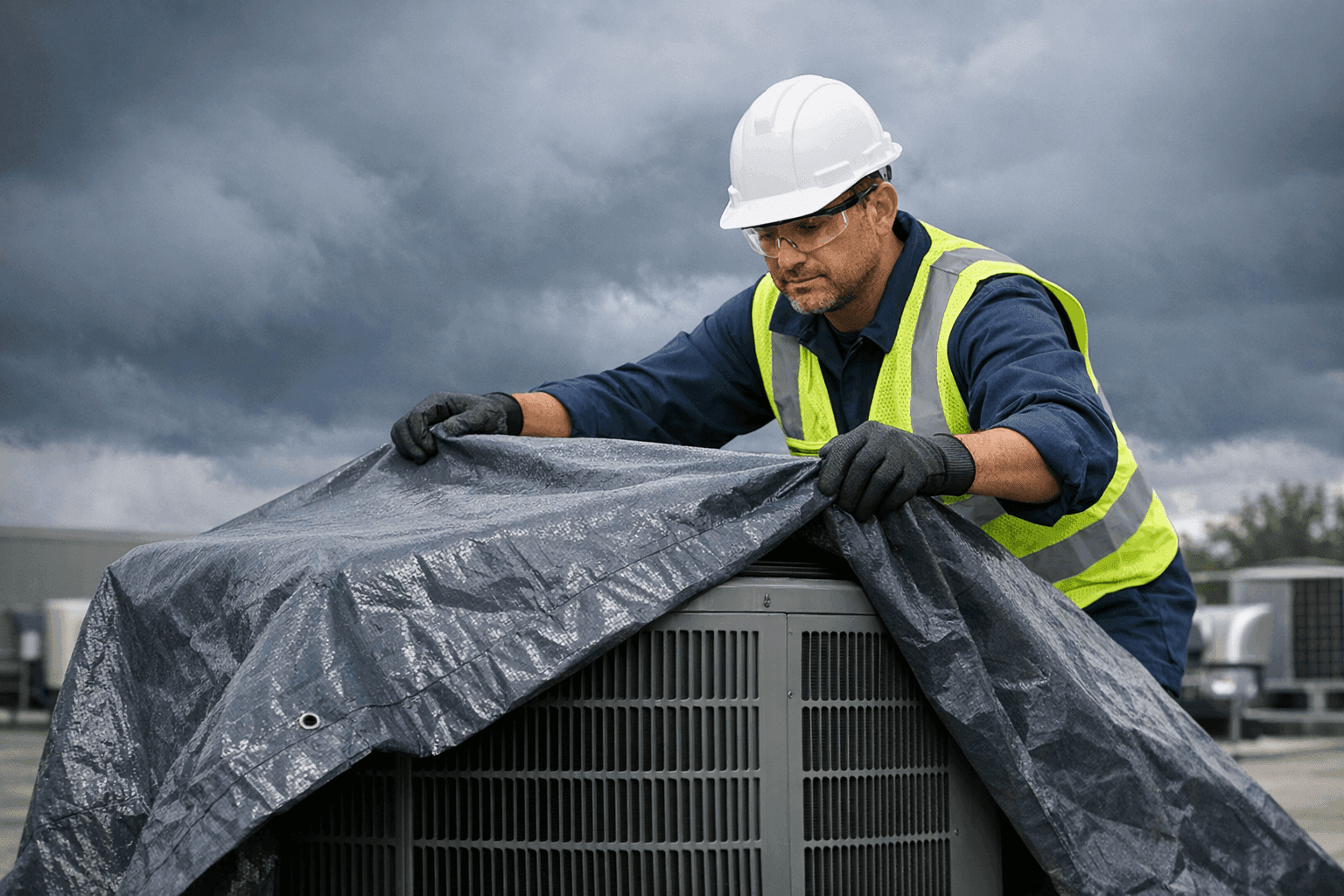
When the sky darkens and thunder rumbles, your HVAC system is suddenly on the front lines. Storms and power outages don’t just disrupt comfort—they put thousands of dollars of equipment at risk. Whether you’re a homeowner or run a busy business, knowing how to protect your investment can mean the difference between a quick reset and a costly repair.
At Matlock HVAC, we’ve seen how storms can turn a simple evening into a scramble for solutions. With a few smart steps, you can keep your system running smoother, longer, and safer—no matter what the weather throws your way.
Risks to HVAC Systems During Storms
Storms are unpredictable. One minute, it’s just rain; the next, it’s wind, lightning, and power surges. Your HVAC system sits outside, exposed and vulnerable—like a goalie without pads.
Here’s what can go wrong:
- Power Surges: Lightning or grid failures can send a jolt through your wiring, frying sensitive components.
- Flooding: Rising water can seep into electrical parts, causing shorts or corrosion.
- Debris Damage: Flying branches or hailstones can dent or clog outdoor units, blocking airflow.
- Sudden Power Loss: When the power cuts out, compressors and fans can stop mid-cycle, risking mechanical strain or system lock-up.
According to the National Electrical Code (NEC), surge protection is now required for new HVAC installations. But even with codes in place, storms remain a real threat.
Storm-Proofing Steps Before Severe Weather ⚡
Preparation is your best defense. Think of it as putting on a raincoat before heading into a downpour.
- Secure Outdoor Units: Use manufacturer-approved covers or tie-downs to protect against flying debris, but never wrap tightly—airflow is still key.
- Trim Nearby Trees: Remove weak branches that could snap and hit your condenser.
- Elevate Equipment: In flood-prone areas, raise units on platforms to keep them above rising water.
- Install Surge Protectors: Ask your technician about whole-home or dedicated HVAC surge protection.
- Schedule Preventive Checks: A pre-storm HVAC maintenance visit can spot loose wires, clogged drains, or worn parts before they become major issues.
If you’re not sure where to start, the American Society of Heating, Refrigerating and Air-Conditioning Engineers (ASHRAE) offers guidelines on system protection and inspection.
What to Do During Power Outages
The lights flicker, then fade. Silence. Your HVAC system just went dark. What now?
- Turn Off Your System: Switch off your thermostat and, if safe, the breaker to your HVAC equipment. This prevents damage from power surges when electricity returns.
- Avoid Restarting Immediately: Wait until power is stable before turning your system back on. Sudden surges can cause more harm than the outage itself.
- Check for Water: If you suspect flooding, don’t touch the unit. Water and electricity are a dangerous mix.
- Consider Backup Power: A professionally installed generator installation can keep essential systems running, protecting against both comfort loss and mechanical strain.
Having backup power isn’t just about comfort—it can save your HVAC from the wear and tear of repeated stop-start cycles.
Post-Storm Inspection and Recovery 🛠️
Once the storm passes, don’t rush to turn things back on. Think of your HVAC like a car after a fender-bender—it needs a quick check before hitting the road again.
- Inspect Outdoor Units: Look for dents, debris, or signs of water entry. Clear away leaves and branches.
- Listen and Smell: Odd noises or burning smells when you restart? Shut down and call a professional.
- Test System Functions: Gradually bring your system back online. Start with the fan, then cooling or heating.
- Schedule a Pro Inspection: Even if things seem fine, hidden damage can show up weeks later. A post-storm checkup is smart preventive care.
Quick Safety Checklist
- Unplug sensitive electronics before storms.
- Keep an emergency kit handy (flashlight, batteries, first aid).
- Know where your HVAC breaker is located.
- Store your HVAC manual and service contacts in a dry, accessible spot.
DIY vs. Call a Pro
Some tasks are safe for homeowners—like clearing debris or switching off breakers. But electrical repairs, refrigerant handling, and deep inspections should always be left to licensed technicians. It’s like changing a lightbulb versus rewiring your house.
What Pros Do On Arrival
When a technician arrives after a storm, here’s what you can expect:
- Electrical safety checks (per NEC and local codes)
- Inspection for water damage and corrosion
- Testing of capacitors, relays, and controls
- Cleaning and drying of affected components
- Recommendations for repairs or upgrades
Prevention & Maintenance: The Cornerstone
Routine care is the unsung hero of storm readiness. Regular HVAC maintenance keeps your system resilient, efficient, and ready for surprises. From filter changes to belt checks and thermostat calibration, a little attention goes a long way.
Costs & Time Factors
Storm damage can range from a quick fix to a full system replacement. Minor debris removal? Minutes. Electrical repairs or compressor replacement? Hours or days, plus parts and labor. Insurance may help, but prevention is always cheaper than repair.
When It’s an Emergency
If you smell gas, see sparks, or suspect electrical hazards, don’t wait. Leave the area and call emergency services. For urgent HVAC support, Matlock HVAC is available 24/7. Local homeowners can also find Newark HVAC services available for fast response and peace of mind.
Seasonal Considerations 🌦️
Storm risks change with the seasons. Spring brings wind and rain; summer, heatwaves and lightning; winter, ice and power loss. Review your storm plan as the weather shifts, and update your emergency kit accordingly.
Common Mistakes to Avoid
- Restarting your system too soon after an outage
- Skipping pre-storm maintenance
- Ignoring strange noises or smells
- Forgetting to check backup power options
Signs of Trouble After a Storm
Watch for these red flags:
- Unusual noises or vibrations
- System won’t start or shuts off quickly
- Water pooling around the unit
- Tripped breakers or blown fuses
- Musty or burning odors
Timeline & Disruption: What to Expect
Minor issues may be resolved in a single visit. Major repairs or part replacements can take longer, especially after widespread storms when parts are in high demand. Communication with your HVAC provider is key—ask for updates and realistic timelines.
Materials and Equipment for Storm Protection
- Surge protectors
- Outdoor unit covers
- Heavy-duty extension cords (for generators)
- Weatherproof platforms for outdoor units
- Emergency shutoff switches
Backup Power: Peace of Mind
Investing in a reliable generator can keep your HVAC, refrigerator, and critical systems running during extended outages. Professional generator installation ensures proper sizing, safe transfer switches, and code compliance—so you’re ready when the next storm rolls in.
Final Thoughts
Storms and outages are part of life—but major HVAC headaches don’t have to be. With smart preparation, routine care, and a plan for recovery, you can weather any storm in comfort and safety.
Call Matlock HVAC now — or reach us anytime at 844-484-6545 .