How to Prevent Frozen Pipes and HVAC Damage in Winter
Winter can be beautiful—until your pipes freeze, your heat sputters, or you wake up to dripping ceilings. At Matlock HVAC, we understand how fast a cold snap can turn from minor inconvenience to major disaster. Frozen pipes and HVAC breakdowns don’t just cost money; they threaten comfort, safety, and daily routine.
Let’s walk through prevention, quick fixes, and when to call for help. Whether you’re a homeowner or managing a busy commercial property, a few smart steps can protect your investment and keep everyone warm.
Why Pipes Freeze in Winter 🧊
Pipes freeze for one simple reason: water expands as it turns to ice. That expansion packs enormous pressure, turning copper or PEX into a ticking time bomb. Even the thickest pipe can burst if water inside is trapped without room to move.
But why do pipes freeze in the first place? Often, it’s a combination of:
- Uninsulated or poorly insulated pipes in unheated areas (think attics, crawlspaces, garages)
- Sudden temperature drops, especially overnight
- Thermostats set too low to save energy
- Drafts sneaking in through cracks and gaps
According to the International Plumbing Code, pipes are at risk when air temperature dips below 20°F (-6°C). In reality, wind chill and humidity can make pipes freeze even sooner—especially if cold air finds a way inside.
Steps to Prevent Frozen Pipes
No one wants to deal with a burst pipe at 2 AM. Prevention is a mix of common sense and a little preparation. Here’s a winter checklist for both residential and commercial spaces:
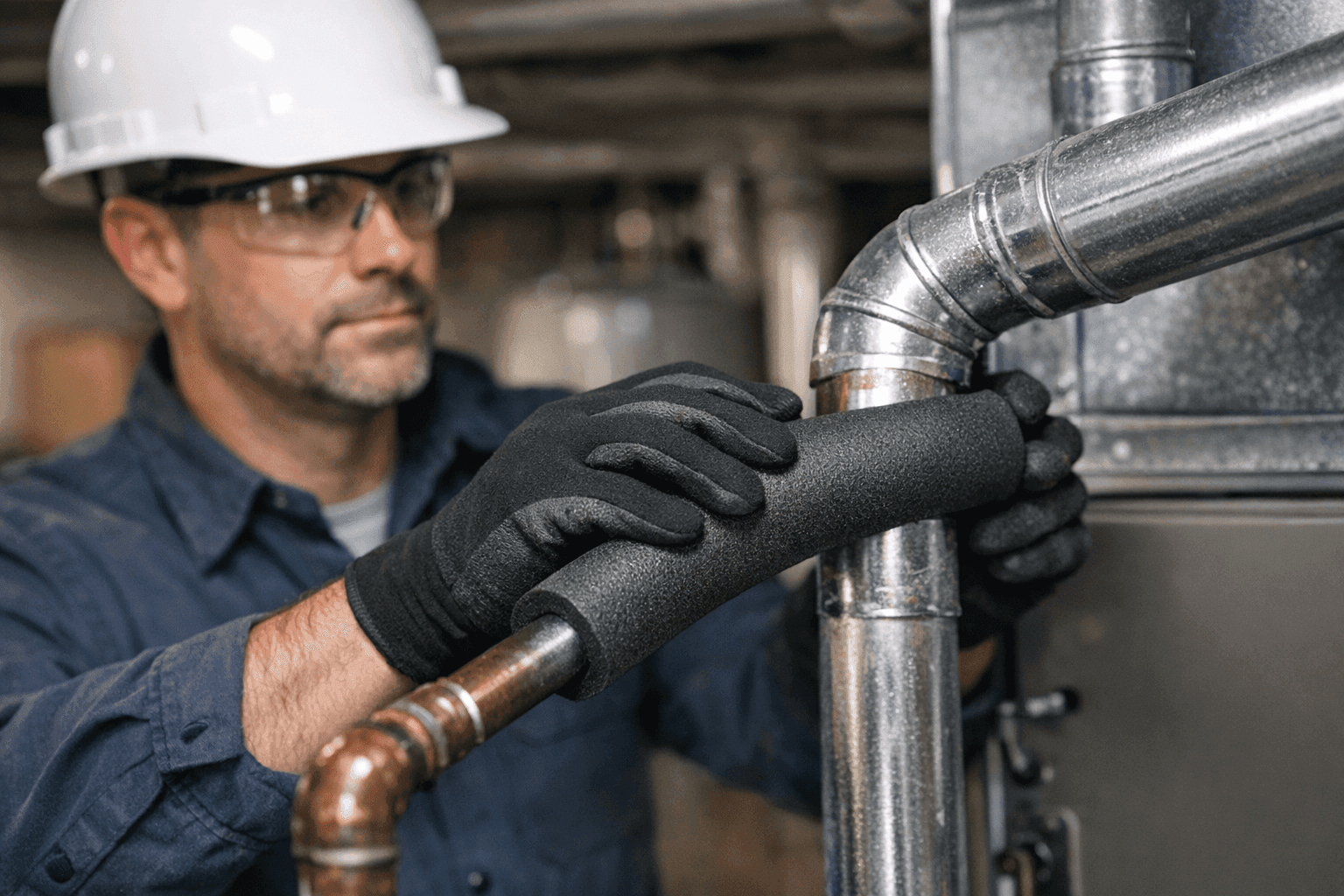
- Insulate pipes in vulnerable areas: Foam sleeves or fiberglass wrap from the hardware store will do the trick.
- Seal up drafts: Pay attention to gaps around doors, windows, and where pipes enter walls.
- Keep thermostat steady: Don’t drop below 55°F (13°C), even if you’re away.
- Open cabinet doors: Let warmer air reach pipes under sinks—especially on exterior walls.
- Let faucets drip: A slow trickle keeps water moving and prevents freezing.
- Disconnect and drain outdoor hoses: Shut off and drain any supply lines to the outdoors.
- Install heat tape: For pipes that are tricky to insulate, consider UL-listed electric heat tape.
If you’re not sure which pipes are at risk, ask your HVAC technician during scheduled heating maintenance. They’ll spot trouble areas before winter really bites.
Signs of Frozen Pipes and What to Do
Sometimes, despite your best efforts, pipes freeze. Here’s how to spot trouble before it turns into a flood:
- No water or low water pressure when you turn on the tap
- Frost or condensation on exposed pipes
- Strange odors coming from drains or faucets
- Bulging or cracked pipes (a late-stage warning)
What to do if you suspect a frozen pipe:
- Turn off the main water supply immediately.
- Open affected faucets to relieve pressure.
- Use a hair dryer or portable heater to gently warm the frozen section—never use open flames.
- Call a licensed plumber or HVAC pro if you can’t locate or thaw the pipe safely.
Remember, a frozen pipe is an emergency, especially in commercial settings or multi-unit buildings. Water damage can spread fast, and mold is never far behind.
Long-Term Winterization Strategies
Prevention doesn’t end after the first deep freeze. Smart property owners think long-term:
- Schedule annual HVAC maintenance each fall to ensure heating systems are ready for winter’s worst.
- Upgrade outdated insulation in basements, crawl spaces, and attics.
- Consider a smart thermostat for precise temperature control, even when you’re out of town.
- Invest in pipe rerouting or permanent insulation for chronic trouble spots.
- Install whole-home humidifiers to keep air comfortable and prevent pipes from drying out and splitting.
- Arrange for professional duct cleaning—dust and debris can reduce airflow, forcing your system to work harder.
A little seasonal prep can save thousands in repairs. According to the American Red Cross, most winter water damage is preventable with these straightforward steps.
Quick Safety Checklist
- Test smoke and carbon monoxide detectors—especially if you use gas or oil heating.
- Locate your main water shut-off valve now, before you need it.
- Make sure your generator is serviced and ready in case of power outages.
- Stock up on pipe insulation and weatherproofing supplies.
- Review your insurance coverage for water and HVAC damage.
DIY vs. When to Call a Pro
Some fixes are simple—others need a qualified hand. Here’s how to tell:
DIY:
- Wrapping pipes with insulation
- Sealing small drafts with caulk or weather stripping
- Adjusting thermostat settings
- Running a trickle of water
Call a professional if:
- You suspect a frozen or burst pipe
- Heating system won’t start or keeps shutting off
- Furnace makes loud noises, smells odd, or blows cold air
- You notice water stains, leaks, or ice buildup around HVAC equipment
Many problems start small and spiral quickly in cold weather. If you’re in Hampton, local technicians are available for fast winter support.
What Pros Do On Arrival
When you call Matlock HVAC for a winter emergency, here’s what to expect:
- Full inspection of pipes, furnace, and critical HVAC components
- Safe thawing of frozen pipes using approved equipment
- Thorough check for leaks, cracks, and hidden water damage
- Professional repairs following state and local codes
- Advice on upgrades like heat tape, insulation, and humidity control
Our technicians are trained to spot problems others miss—and we always put safety first.
Prevention & Maintenance Through the Seasons
Winter prep isn’t just for December. Keep up with:
- Spring: Check for water stains, leaks, or insulation damage.
- Summer: Clean ducts, replace air filters, check AC and dehumidifiers.
- Fall: Inspect pipes and heating, insulate any exposed plumbing, test your thermostat.
A year-round approach keeps surprises (and repairs) to a minimum.
Costs & Time Factors
How much does prevention cost compared to repairs? The math is simple:
- Pipe insulation: $1–$3 per foot for DIY materials
- Professional winterization: varies by property size, but often less than a single insurance deductible
- Emergency burst-pipe repairs: $1,000–$5,000 or more (plus water damage restoration)
A little time spent now can save days of disruption and thousands in expenses.
When It’s an Emergency 🚨
It’s an emergency if:
- Water is actively leaking or spraying
- Major drop in water pressure—especially in multiple faucets
- You smell gas, burning, or chemicals near your furnace or HVAC unit
- Your heat fails during a cold snap (especially for children, elderly, or pets)
Shut off water and power if safe. Call emergency services for fire or gas leaks. For HVAC or plumbing emergencies, call your trusted pro—don’t wait.
Common Mistakes to Avoid
- Forgetting to insulate pipes in crawlspaces or garages
- Lowering the thermostat too much to “save money”
- Leaving garage doors open in freezing weather
- Ignoring slow leaks or “minor” drips
- Using hair dryers or heat guns unsafely—risk of fire
A little attention goes a long way.
Frequently Asked Questions (FAQ)
How do I know which pipes are most at risk? Pipes along exterior walls, in unheated basements, attics, or garages are first to freeze.
Is it better to leave the heat on all winter? Keep your thermostat no lower than 55°F (13°C), even if you’re away.
Can I use space heaters to prevent freezing? Only as a temporary solution, and never unattended.
Should I consider a whole-home humidifier? Yes—proper humidity helps both comfort and pipe health. Search “humidifiers near you” to find qualified installers.
Do I need annual furnace maintenance? Absolutely. Regular checks spot small problems before they become big ones.
Timeline & Disruption
- Prevention: a few hours for insulation and setup
- Emergency repair: several hours to days, depending on damage
- Restoration: can take a week or more with severe flooding
Plan ahead to keep any disruption short and manageable.
Materials and Equipment
- Pipe insulation sleeves
- Weather stripping and caulk
- Heat tape (UL-listed)
- Thermostat with battery backup
- Portable generator for critical systems
- Moisture sensor alarms for basements and crawlspaces
Quality matters. Cheap materials can fail when you need them most.
Air Quality and Comfort
Don’t forget: winter air can get stuffy and dry. Consider:
- Air scrubbers to filter out bacteria and allergens
- Whole-house humidifiers to protect both pipes and people
- Regular filter changes to keep your system breathing easy
Matlock HVAC can assess your setup and recommend improvements tailored to your space.
Preparing for Service
Before a technician arrives:
- Clear a path to affected pipes or HVAC equipment
- Write down any symptoms, noises, or unusual smells
- Know where your main shut-offs are located
- Keep pets and children clear of work areas
A little prep helps us help you—fast.
Skipping Maintenance: The Hidden Costs
Putting off maintenance can mean much more than inconvenience:
- Higher utility bills from inefficient systems
- Water damage, mold, and ruined belongings
- Compromised indoor air quality
- Voided warranties or insurance claims
Stay proactive. Your comfort and safety are worth it.
The Bottom Line
Winter doesn’t have to mean worry. With a few practical steps—and a plan for emergencies—you can keep your property safe, warm, and dry all season long. Matlock HVAC is here to help with prevention, repairs, and peace of mind.
Call Matlock HVAC now — or reach us anytime at 844-484-6545 .