How to Prevent Carbon Monoxide Leaks from Your HVAC
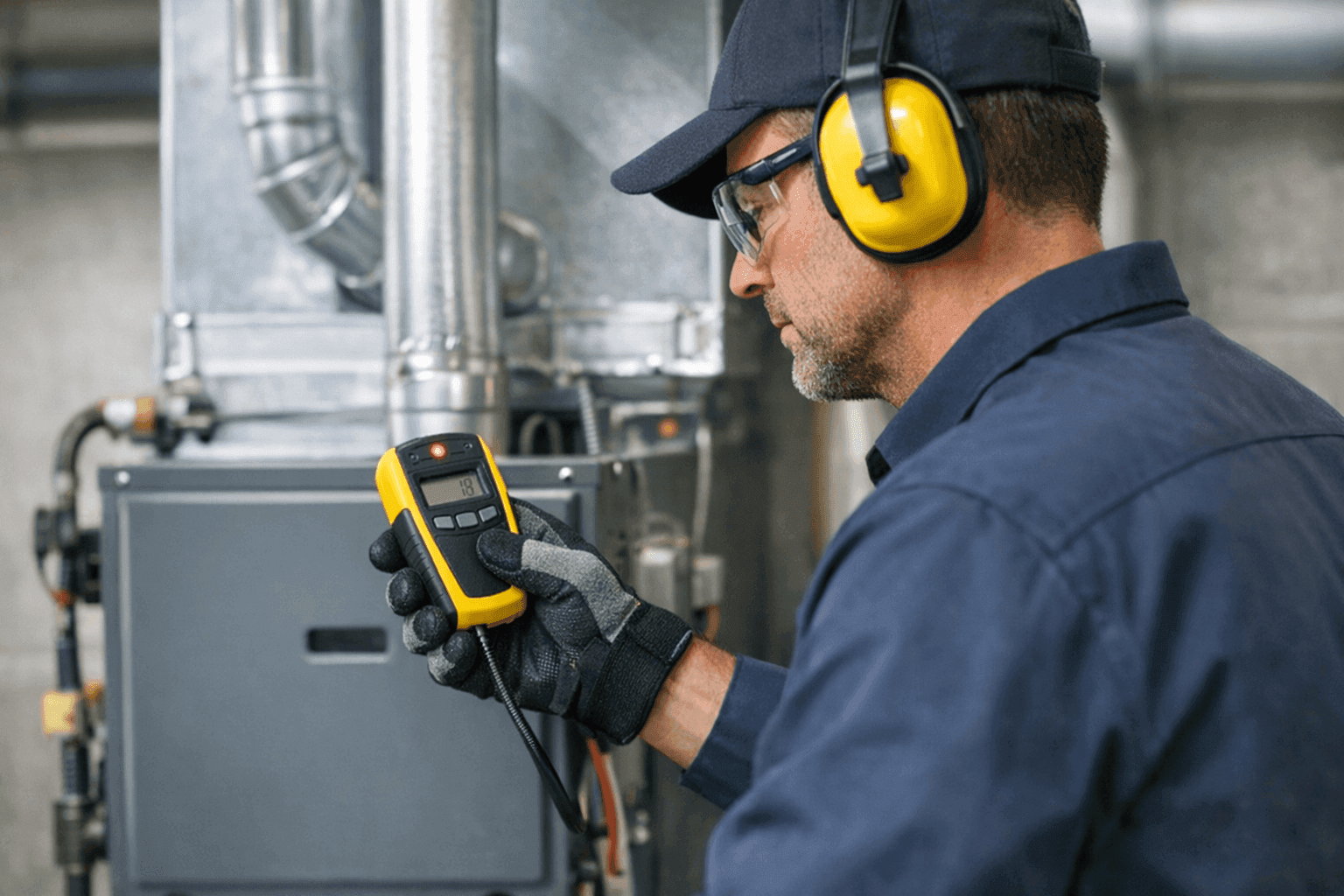
When it comes to your family’s safety—or the people inside your business—carbon monoxide (CO) is a silent threat that can’t be ignored. You can’t see, smell, or taste it. But a leak from your HVAC system can have serious consequences. At Matlock HVAC, we treat this risk with the seriousness it deserves.
Let’s break down what causes CO leaks, how to spot the warning signs, and—most importantly—how you can prevent them. Because peace of mind shouldn’t be a luxury.
What Causes HVAC Carbon Monoxide Leaks
Carbon monoxide leaks don’t just “happen.” They’re usually the result of something going wrong inside your heating equipment or fuel-burning appliances. Think of your furnace or generator as a campfire: when everything’s working right, the smoke goes up the chimney. But if the chimney is blocked, or the fire isn’t burning cleanly, smoke starts to fill the tent.
Here’s where things can go wrong:
- Cracked heat exchangers: Over time, the metal inside your furnace can crack from stress or corrosion. This can let CO seep into your home’s air.
- Blocked or damaged vents: If the flue or exhaust vent is blocked by debris, birds’ nests, or even snow, gases can back up indoors.
- Improper installation: A poorly installed HVAC or generator system can allow exhaust gases to leak.
- Malfunctioning burners: If burners aren’t adjusted right, fuel may not burn completely, creating more CO.
- Lack of maintenance: Dust, rust, and worn-out parts make leaks more likely.
According to the Centers for Disease Control and Prevention (CDC), most accidental CO poisonings come from fuel-burning appliances that aren’t working right or are used incorrectly.
Symptoms and Health Risks
CO is sometimes called the “invisible killer.” It sneaks up without warning. Early symptoms feel like the flu, but without a fever. If you notice these signs, act fast:
- Headache
- Dizziness
- Nausea or vomiting
- Weakness and fatigue
- Confusion or trouble thinking
- Chest pain (especially if you have heart problems)
- Shortness of breath
Prolonged exposure can lead to unconsciousness, brain damage, or even death. Children, older adults, and pets are especially vulnerable. Don’t shrug off these symptoms—especially if more than one person feels sick at home or work.
How to Prevent CO Leaks
Prevention is like building a sturdy fence before the storm. Here’s how you can keep CO at bay:
- Schedule regular heating maintenance. Have a licensed technician inspect your furnace, boiler, or generator every year—before the cold sets in.
- Keep vents and chimneys clear. Check outside vent pipes for blockages after storms or heavy winds. Even a bird’s nest can cause trouble.
- Install appliances correctly. Always hire professionals for installation. Cutting corners can lead to costly and dangerous mistakes.
- Use the right fuel. Never burn charcoal or use gas-powered equipment indoors.
- Don’t ignore warning signs. If your furnace is making strange noises, or you smell something odd, call for help.
- Replace old equipment. Aging furnaces and generators are more likely to develop leaks.
And remember: even “small” appliances like water heaters or fireplaces can be sources of CO if not maintained.
Importance of Regular Inspections and Detectors 🛑
Routine inspections are your best defense. A certified HVAC professional knows what to look for—cracks, leaks, and improper venting that you might miss. The National Fire Protection Association (NFPA) recommends annual inspections for all fuel-burning appliances.
But don’t stop there. Install carbon monoxide detectors on every level of your home or business, especially near sleeping areas and mechanical rooms. Test them monthly and replace batteries twice a year. Like a smoke alarm, a CO detector can save lives.
If you have questions about what’s required in your state, check with your local building code office or fire department. They’ll know what’s needed for your specific situation.
Quick Safety Checklist
- Test CO detectors every month.
- Replace detector batteries every six months.
- Never block or cover any part of your HVAC system.
- Keep flammable materials away from furnaces and generators.
- Schedule annual tune-ups for all fuel-burning appliances.
DIY vs. Call a Pro
Some things you can handle—like changing batteries or checking for visible blockages. But when it comes to inspecting heat exchangers, venting, or combustion, it’s time to call in the pros. Specialized tools and training are needed to spot hidden dangers.
Trying to fix a cracked heat exchanger yourself is like patching a leaky boat with duct tape. It might hold for a while, but the risk isn’t worth it.
What Professionals Do on Arrival
When Matlock HVAC arrives for a heating maintenance visit, here’s what you can expect:
- Full inspection of heat exchangers, burners, and venting
- Testing for CO leaks with professional equipment
- Checking for proper airflow and combustion
- Reviewing safety shut-off systems
- Recommendations for repairs or upgrades
You get a clear report and peace of mind—no guesswork, just facts.
Costs and Time Factors
Preventive maintenance is almost always cheaper than emergency repairs—or worse, medical bills. A typical inspection takes one to two hours. If repairs are needed, your technician will explain the costs up front.
Replacing a cracked heat exchanger or faulty generator part can be an investment, but it’s far less expensive than the alternative.
When It’s an Emergency
If your CO detector goes off, or if people feel sick, get everyone outside immediately. Call 911 and don’t re-enter the building until it’s cleared by professionals.
If you’re in the area and need urgent help, Greenville HVAC services are available for rapid response and safety checks.
Seasonal Considerations
Carbon monoxide risk rises in the winter, when furnaces and generators run more often and homes are sealed tight. Schedule maintenance before the first cold snap. In spring, check that snow or debris hasn’t blocked vents.
Common Mistakes to Avoid
- Ignoring a yellow or flickering furnace flame (it should be blue)
- Skipping annual maintenance
- Using outdoor appliances indoors
- Covering vents with furniture or boxes
- Forgetting to test detectors
Signs of Trouble
If you notice soot streaks around your furnace, excessive condensation on windows, or a musty smell near vents, call for an inspection. These can signal incomplete combustion or venting issues.
Timeline & Disruption
Most inspections and repairs can be done in a single visit. Larger repairs may take longer, but your technician will keep you informed every step of the way.
Materials and Equipment Used
Professionals use combustion analyzers, CO detectors, inspection mirrors, and more—tools you won’t find in a typical toolbox. That’s one reason why professional service matters.
FAQ: Carbon Monoxide and Your HVAC
Q: Are CO detectors required by law?
A: In many areas, yes—especially for rental properties or businesses. Check local codes.
Q: Can I use a plug-in CO detector?
A: Yes, but battery backups are best in case of power outages.
Q: How often should I replace my furnace?
A: Most last 15–20 years. Older units are more likely to develop leaks.
Final Thoughts
Carbon monoxide safety isn’t just another item on your to-do list—it’s essential. With the right maintenance, attention, and professional help, you can keep your home or business safe and healthy. If you’re searching for “Humidifiers near you” or reliable HVAC care, Matlock HVAC is here to help.
Call Matlock HVAC now — or reach us anytime at 844-484-6545 .