How to Prepare Your HVAC System for Winter
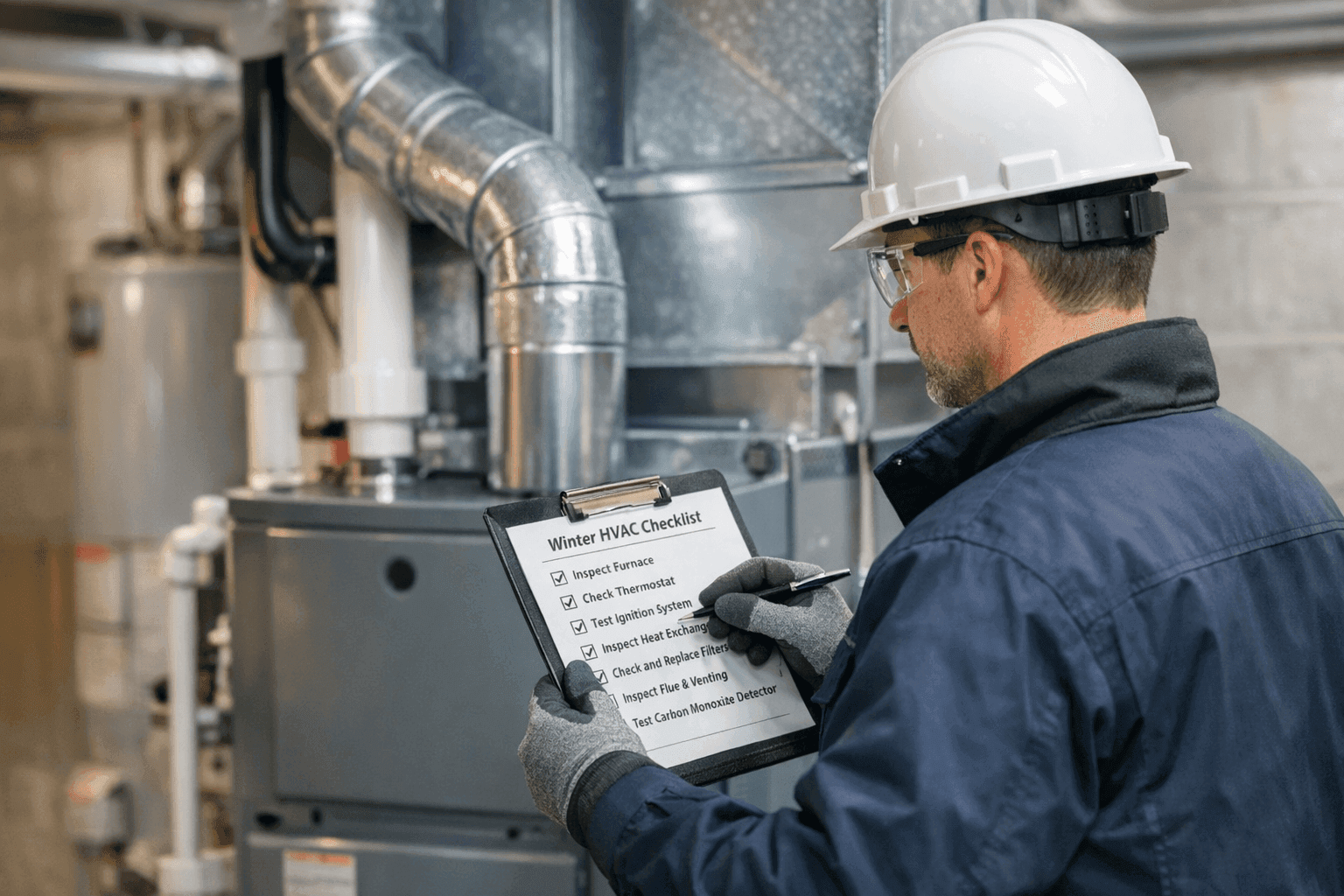
Is your home or business ready for the cold snap? Winter can sneak up like a sudden storm, and your HVAC system is your shield. If it’s not prepared, you might find yourself shivering—or worse, facing an expensive breakdown just when you need heat the most.
At Matlock HVAC, we know the difference a well-prepped system makes. Let’s walk through how you can get your HVAC ready, step by step, so your family or employees stay warm, safe, and comfortable all season.
Why Winter Prep Matters ❄️
Imagine your HVAC system as a marathon runner. It’s about to face months of heavy lifting. If it’s not in shape, small problems can turn into big emergencies right when you need heat most.
- Efficiency drops when filters are clogged or parts are worn.
- Unexpected breakdowns happen most on the coldest days—the busiest time for repairs.
- Indoor air quality can suffer, especially when windows stay shut for months.
- Safety is at risk if carbon monoxide leaks or electrical faults go unnoticed.
According to the U.S. Department of Energy, heating accounts for almost 30% of a typical home’s energy bill. A little prep now can save money—and headaches—through the entire winter.
Steps to Prepare Your HVAC for Cold Weather
Getting your system winter-ready isn’t just one task. It’s a checklist—each step matters. Here’s how to get started:
1. Replace or Clean Air Filters
Dirty filters are like trying to breathe through a scarf. Change them every 1–3 months, or more often if you have pets or a lot of indoor activity.
2. Test Your Thermostat
Before it’s freezing, set your thermostat to heat mode and make sure it responds. If it’s programmable, update schedules for colder months to maximize savings.
3. Inspect Vents and Registers
Walk room to room. Make sure vents aren’t blocked by furniture or curtains. Dusty vents? Give them a quick vacuum to help airflow.
4. Check Furnace and Heating Components
Listen for odd noises when you start your furnace. Rattles, squeaks, or grinding sounds may mean parts are wearing out. A professional tune-up can catch problems before they become emergencies.
5. Clear the Area Around Your Furnace
Keep at least 3 feet clear around your furnace. Boxes, clothes, or cleaning supplies nearby are a fire hazard.
6. Seal Leaks and Drafts
Feel for cold air near windows, doors, and duct joints. Seal gaps with weatherstripping or caulk to keep heat in and cold out.
7. Examine Carbon Monoxide and Smoke Detectors
Test alarms and replace batteries. Furnaces and other combustion appliances can release dangerous gases—these detectors help keep everyone safe.
8. Clean or Upgrade Humidifiers
Dry winter air can make your home uncomfortable and even damage wood furniture. Check your humidifier, clean or replace pads, and adjust settings for the season.
9. Schedule Professional HVAC maintenance
An annual tune-up is like an annual checkup for your system. Technicians will clean burners, check electrical connections, and look for trouble before it starts.
10. Review Emergency Plans
Know how to shut off your furnace or HVAC system in case of a malfunction. Make sure your household or team knows too.
DIY vs. Professional Winterization 🛠
You can handle many basic tasks—like replacing filters or clearing vents—on your own. But some jobs need a trained eye.
DIY Tasks:
- Changing air filters
- Vacuuming vents
- Testing the thermostat
- Checking for drafts and sealing simple leaks
Professional Tasks:
- Deep cleaning burners and blowers
- Inspecting heat exchangers for cracks (serious carbon monoxide risk)
- Checking refrigerant levels in heat pumps
- Calibrating and testing safety controls
- Full system performance checks
HVAC pros use special tools and training to spot hidden problems—cracks, leaks, or failing parts you might miss. According to the International Association of Certified Home Inspectors, annual professional maintenance is a key factor in system longevity.
Quick Safety Checklist
- Replace smoke and CO detector batteries
- Make sure nothing flammable is stored near the furnace
- Check that all supply and return vents are open
- Schedule a furnace tune-up if you haven’t had one this year
A few minutes now can prevent a cold, stressful night later.
Signs of Potential Winter Problems ⚠️
Not sure if your HVAC is ready? Watch for these red flags:
- Uneven heating: Some rooms are icy while others are toasty.
- Unusual noises: Banging, whistling, or grinding sounds.
- Short cycling: System starts and stops frequently.
- Spikes in energy bills: Costs jump even though settings haven’t changed.
- Musty or burning smells: Especially when first starting the heater.
- Yellow pilot light: Should always be blue (yellow can signal gas issues).
If you notice any of these, don’t wait. Small signs can quickly snowball into big repairs.
When Is It Time to Call in the Pros?
Some issues—like a yellow pilot light, persistent strange smells, or a furnace that won’t start—should always be handled by a professional. DIY fixes can be tempting, but safety comes first.
And if you’re in an area like Millcreek, Matlock HVAC is ready when you need fast, local support for winter emergencies or regular maintenance.
Seasonal Considerations: What Changes in Winter?
Winter isn’t just colder—it changes how your entire HVAC system works.
- Humidity drops: Use humidifiers to protect woodwork and keep the air comfortable.
- IAQ (Indoor Air Quality) shifts: Closed windows mean dust and allergens can build up. Air scrubbers or upgraded filters help.
- Increased run time: Heaters work longer, so small problems can become big ones fast if ignored.
Prevention Beats Emergency Calls Every Time
Routine maintenance is like brushing your teeth—skipping it leads to trouble. Regular inspections, filter changes, and system cleaning help you avoid the expense and hassle of emergency repairs.
Common Mistakes to Avoid 🧤
- Forgetting to check smoke and CO detectors
- Blocking vents with rugs or furniture
- Ignoring strange furnace noises
- Waiting until the first cold snap to test your heating
Don’t let small oversights cost you big later.
How Long Does Winter HVAC Prep Take?
Most DIY steps can be done in an afternoon. Professional tune-ups typically take 1–2 hours and are minimally disruptive—especially when booked before the winter rush.
What to Expect from a Professional Tune-Up
A certified tech will:
- Inspect and calibrate thermostat controls
- Clean burners and blower components
- Check for gas or carbon monoxide leaks
- Test electrical connections and safeties
- Review airflow and air balancing
Every step is designed to catch problems before they interrupt your comfort.
The Bottom Line: Protect Your Comfort and Your Wallet
Winter is tough enough without unexpected breakdowns. A little attention now—whether DIY or professional—means peace of mind all season.
For a full system check or help with more advanced repairs, see our hvac maintenance page for details on what’s included and how to schedule service with Matlock HVAC.
Call Matlock HVAC now — or reach us anytime at 844-484-6545 .