How to Lower Heating Bills This Winter
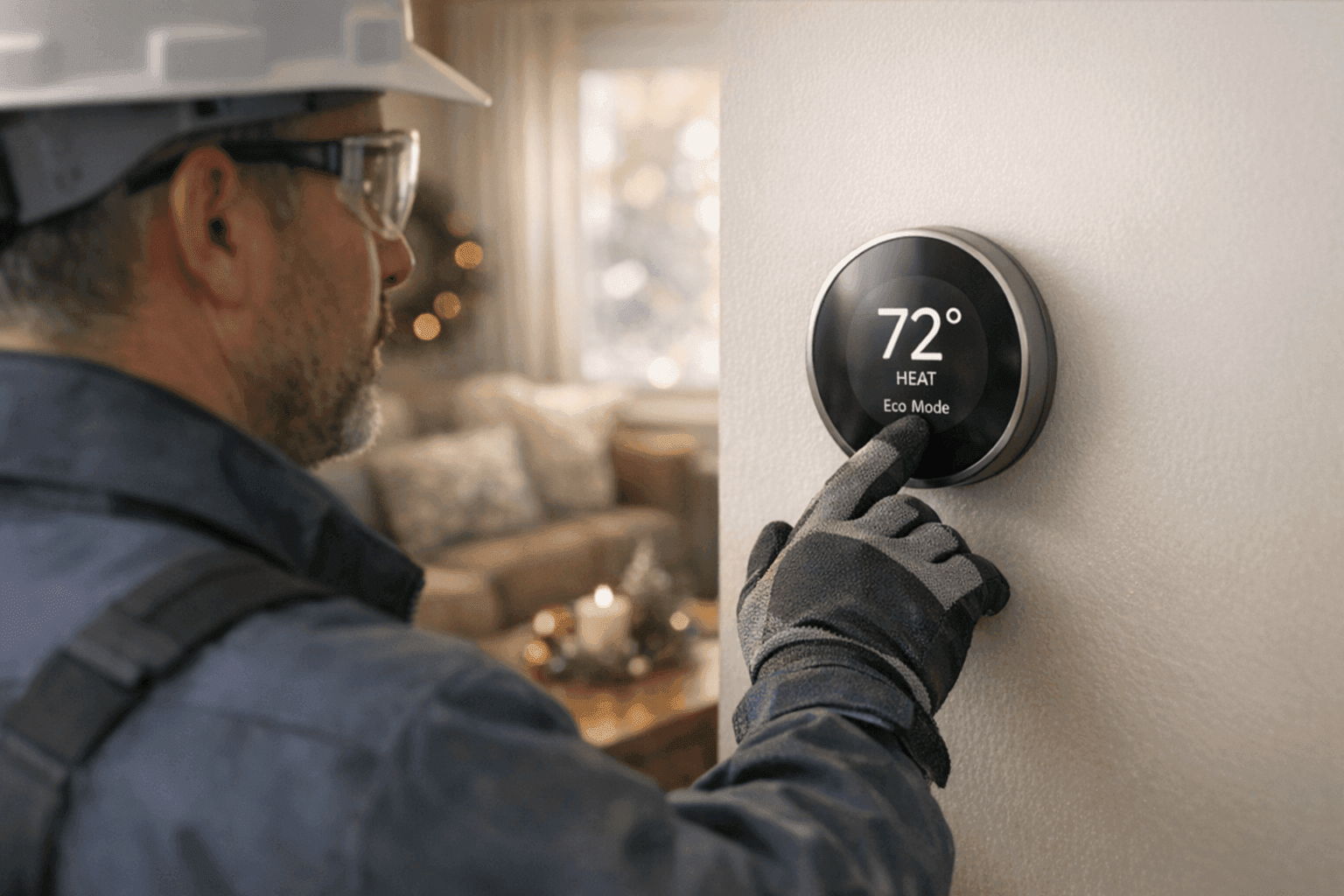
Is your heating bill creeping higher each winter? You’re not alone. Many homeowners and business managers feel the pinch when the cold sets in. The good news: with the right steps, you can keep your space warm without draining your wallet.
At Matlock HVAC, we know that small changes add up. Whether you run a busy office or a cozy home, understanding what really drives up heating costs is the first step to saving money—all season long.
Key Factors Affecting Heating Costs 🏠
Winter energy bills aren’t just about how cold it gets outside. They’re shaped by a mix of equipment, habits, and your building’s bones. Let’s break down what matters most.
Thermostat Settings and Upgrades
Your thermostat is like the conductor of an orchestra—set it wrong, and everything falls out of tune. The U.S. Department of Energy recommends setting your thermostat to 68°F while you’re awake and lowering it when you’re asleep or away. Every degree you lower can save about 1% on your bill over an 8-hour period.
Tips for smarter thermostat use:
- Install a programmable or smart thermostat to automate changes.
- Avoid drastic swings—rapid heat-ups use more energy.
- Place thermostats away from drafts or heat sources for accurate readings.
Upgrading from an old dial thermostat to a smart model can feel like trading in a flip phone for a smartphone. You’ll gain better control, custom schedules, and remote access—helping you fine-tune comfort and cost.
Insulation and Air Leaks
Imagine trying to fill a bucket with holes in it. That’s your house with poor insulation or sneaky drafts. Warm air escapes; cold air sneaks in. The result? Your heater works overtime.
Where to check:
- Attics and basements: Insulate floors, ceilings, and crawlspaces.
- Windows and doors: Use weatherstripping or caulk to seal gaps.
- Outlets and vents: Foam gaskets can block tiny drafts.
The U.S. Environmental Protection Agency (EPA) says proper insulation and air sealing can save up to 15% on heating and cooling costs. It’s like putting on a warm jacket before heading outside—your home stays cozy with less effort from your HVAC system.
Maintenance and Filter Replacement
Would you drive your car all year without an oil change? Your heating system needs regular checkups, too. Dirty filters, clogged burners, or a neglected furnace make your system work harder for less heat.
Essential maintenance steps:
- Replace or clean filters every 1–3 months, especially during heavy use.
- Schedule a professional tune-up to inspect burners, belts, and safety controls.
- Check that vents and registers are clear—blocked airflow strains equipment.
Routine heating maintenance can extend the life of your system, improve safety, and cut energy waste. Think of it as keeping your heater in peak athletic form for the winter season.
Smart Heating Tips
Small daily habits can lead to big savings over time. Here’s how to help your HVAC system—and your budget—work smarter, not harder:
- Let the sun in: Open blinds during the day to let sunlight naturally warm your space.
- Close curtains at night: Keep heat from escaping through glass after sunset.
- Bundle up: Layer clothing and use cozy blankets so you can set the thermostat lower.
- Adjust ceiling fans: Set them on low and reverse direction to push warm air down.
- Use humidifiers: Moist air feels warmer, so you can stay comfortable at a lower setting.
Simple, right? These changes don’t cost much, but they can make a meaningful dent in your winter bills.
Quick Safety Checklist
Heating season is prime time for safety hazards—especially with older systems or makeshift fixes. Before the first cold snap:
- Test smoke and carbon monoxide detectors.
- Keep space heaters away from flammable materials.
- Store combustibles far from your furnace or boiler.
- Have your HVAC professional check for gas leaks or faulty wiring.
Safety first means peace of mind all winter.
DIY or Call a Pro?
Some heating fixes are simple—like swapping out a filter or sealing a drafty window. But others, like diagnosing furnace noises or fixing electrical faults, are best left to professionals. If your system starts making strange sounds, blows cold air, or refuses to start, don’t risk a DIY disaster.
For comprehensive troubleshooting, our team handles everything from IAQ testing to generator maintenance.
What Pros Do On Arrival
When our techs visit, they don’t just glance at your thermostat. They’ll:
- Inspect system controls and safety devices.
- Clean key components—burners, heat exchangers, and blowers.
- Test airflow and air balancing across every room.
- Check for carbon monoxide and refrigerant leaks.
We follow industry best practices and code guidelines from authorities like ASHRAE and the International Mechanical Code.
Prevention & Maintenance Essentials
Think of preventive maintenance as flu shots for your HVAC system. It’s far less expensive to catch a small problem early than to pay for a mid-winter emergency.
- Get annual tune-ups before cold weather hits.
- Keep an eye (and ear) out for new noises, odors, or uneven heating.
- Replace aging systems before they fail—modern models are up to 30% more efficient.
Routine attention now means fewer breakdowns and lower costs later.
Common Mistakes That Raise Bills
Even the best intentions can backfire. Watch out for these pitfalls:
- Closing too many vents—this strains your system and can cause leaks.
- Ignoring filter changes—dust buildup chokes airflow.
- Cranking the thermostat to “high” for a quick warm-up—your heater only works at one speed, so this wastes energy.
A little knowledge goes a long way.
Timeline & Disruption: What to Expect
Worried about a long, messy service call? Most heating maintenance or filter replacements take less than an hour. Larger upgrades—such as installing humidifiers or air scrubbers—can often be completed in a single day with minimal disruption.
We work around your schedule so comfort comes first.
When It’s an Emergency
If you smell gas, see sparks, or your heat stops during a deep freeze, act fast. Shut off your system and call for immediate help. For those in the Hudson Valley, local support is available for urgent repairs—see the local availability in Orangetown if you’re nearby.
Seasonal Considerations: Preparing for Winter
Don’t wait for the first frost. Prep your HVAC system in fall:
- Schedule maintenance.
- Stock up on filters.
- Test thermostats and safety alarms.
- Winterize outdoor units and pipes.
A little planning makes for a smoother, cozier season.
Home Energy Audits: The Hidden Savings
A professional home energy audit shines a light on hidden energy waste. Using tools like blower doors and infrared cameras, auditors find leaks and inefficiencies you’d never spot on your own. These audits can reveal where insulation is lacking or filters are overdue.
Curious about maximizing savings? Learn how home energy audits pinpoint specific ways to cut costs—tailored to your building’s unique needs.
Filter Know-How
Filters are your HVAC system’s unsung heroes. They keep dust, pollen, and debris from clogging up your equipment—and your lungs. But they only work if you change them regularly.
- Choose the right type: pleated, HEPA, or washable, depending on your needs.
- Mark your calendar for monthly checks during winter.
- Upgrading to higher-efficiency filters can improve air quality and system performance.
For advice on choosing and replacing filters for your home or business, ask about our filter services.
FAQ: Heating Bills and Indoor Air Quality
Does lowering my thermostat hurt indoor air quality?
No—just make sure you’re still running your system’s fan and changing filters often.
Can portable heaters replace my main system?
Only for short stretches. They use more energy per square foot and can be a fire risk if misused.
Do humidifiers help with warmth?
Yes. Air with 30–50% humidity feels warmer, reducing the urge to crank up the heat. It’s also better for your skin and furniture.
How often should professional maintenance be scheduled?
At least once a year, ideally in the fall before heavy use.
Final Thoughts: Small Steps, Big Savings
Lowering your heating bills doesn’t require sacrifice. It’s about making smart choices—tweaking the thermostat, sealing up drafts, and keeping your system in top shape. Every action counts, and over the course of a long winter, those savings add up fast.
If you’re ready for practical, proven help with heating maintenance, energy audits, or filters, Matlock HVAC is here for you.
Call Matlock HVAC now — or reach us anytime at 844-484-6545 .