How to Improve Indoor Air Quality Year-Round
Indoor air can feel like a breath of fresh mountain air, or it can leave you sneezing, stuffy, and tired. Most of us spend up to 90% of our time indoors, so the air we breathe matters—a lot. At Matlock HVAC, we’ve seen how air quality issues creep in, and how simple changes can make a world of difference for homes and businesses alike.
Let’s break down why indoor air quality (IAQ) isn’t just a seasonal worry. Dust, allergens, and invisible chemicals don’t take the winter off—or the summer, for that matter. Here’s how to tackle them, one step at a time.
Common Causes of Poor Indoor Air Quality 🏠
Everyday Habits and Pollutants
You might be surprised at what’s floating around indoors. Everyday actions—cooking, cleaning, even bringing in your dog—add to the mix of dust, pet dander, and invisible particles called Volatile Organic Compounds (VOCs). VOCs are found in paints, air fresheners, and some cleaning products. They can linger long after that “clean” smell fades.
Quick Tips:
- Choose low-VOC or no-VOC products where you can.
- Vacuum carpets and rugs at least weekly with a HEPA filter vacuum.
- Wipe down hard surfaces to keep dust from building up.
- Take shoes off at the door to avoid tracking in outdoor pollutants.
Ventilation and Air Filtration Tips
Imagine your home or building as a pair of lungs. Good ventilation lets fresh air in and pushes stale air out. Without it, pollutants settle and multiply.
Ventilation Upgrades:
- Use exhaust fans in kitchens and bathrooms.
- Open windows when weather allows.
- Consider mechanical ventilation systems for tight, energy-efficient homes.
Air Filtration Basics:
- Change HVAC filters every 1–3 months, or as recommended by your system. This is your first line of defense against dust and pollen.
- Upgrade to higher MERV-rated filters (Minimum Efficiency Reporting Value) if your system allows. Aim for MERV 8–13 for most homes.
- For sensitive environments, such as healthcare or allergy-prone spaces, consult our indoor air quality services for advanced purification options.
Humidity Control
Too much humidity feels sticky and breeds mold. Too little can dry your skin and irritate your sinuses. According to the Environmental Protection Agency (EPA), the sweet spot is 30–50% relative humidity.
How to Balance Humidity:
- Use humidifiers in winter if your air gets dry (look for “Humidifiers near you” for local support).
- Run dehumidifiers or your AC in damp months.
- Check for water leaks—especially in basements, attics, and under sinks.
- Houseplants? Great for decor, but don’t overwater.
Professional Testing and Solutions
Sometimes, the culprits are invisible. Professional IAQ testing helps uncover problems like hidden mold, radon, or excessive VOCs before they impact health.
What Pro Testing Looks For:
- Airborne particle counts, including allergens and microbes.
- VOC levels from building materials or cleaning products.
- Carbon monoxide and radon gas.
- Mold spores, especially after water damage or leaks.
Certified technicians use equipment and standards set by organizations like the American Society of Heating, Refrigerating and Air-Conditioning Engineers (ASHRAE) and the EPA.
If you’ve noticed unexplained allergies, musty smells, or chronic dust, consider air quality testing for your peace of mind.
Reducing Allergens, Dust, and VOCs
Allergens can be sneaky. They hide in fabrics, vents, and even your favorite chair. Reducing them is about steady habits and smart upgrades.
Allergen-Lowering Checklist:
- Wash bedding and curtains regularly in hot water.
- Use allergen-proof covers on pillows and mattresses.
- Dust surfaces with a damp cloth.
- Maintain HVAC filters and consider air purifiers with HEPA filters.
For VOCs:
- Store chemicals, paints, and solvents in sealed containers—preferably outside living areas.
- Limit burning candles or incense, which add particles to the air.
- Air out new furniture or rugs before bringing them fully indoors.
Furnace and AC Maintenance: The Unsung Hero
Think of your HVAC system as the heart of your building’s air. A dirty filter or clogged coil is like a blocked artery—it slows everything down and lets pollution build up.
Maintenance Must-Dos:
- Schedule professional HVAC maintenance twice a year—once before cooling season, once before heating.
- Clean or replace filters as the manufacturer suggests.
- Ask your technician to check ductwork for leaks or buildup.
Routine checkups not only keep air clean—they also extend equipment life and improve energy efficiency.
When to Call an Expert
DIY can only go so far. If you notice any of these signs, it might be time for a professional:
- Persistent odors you can’t trace.
- Sudden spikes in dust, even after cleaning.
- Family or employees experiencing headaches or allergy symptoms indoors.
- Mold growth or moisture stains on walls and ceilings.
Matlock HVAC serves both homes and businesses, with local teams ready for urgent needs—including in Cincinnati neighborhoods and beyond.
Seasonal Considerations for Cleaner Air
Each season brings its own air quality challenges. Spring pollen, summer humidity, autumn dust, winter dryness—it’s a year-round cycle.
Seasonal Prep:
- Change filters before each new season.
- Clean air vents and registers.
- Transition humidifiers or dehumidifiers as needed.
- Schedule IAQ checkups after renovations or major weather events.
Air Purifiers and Filters: Are They Worth It?
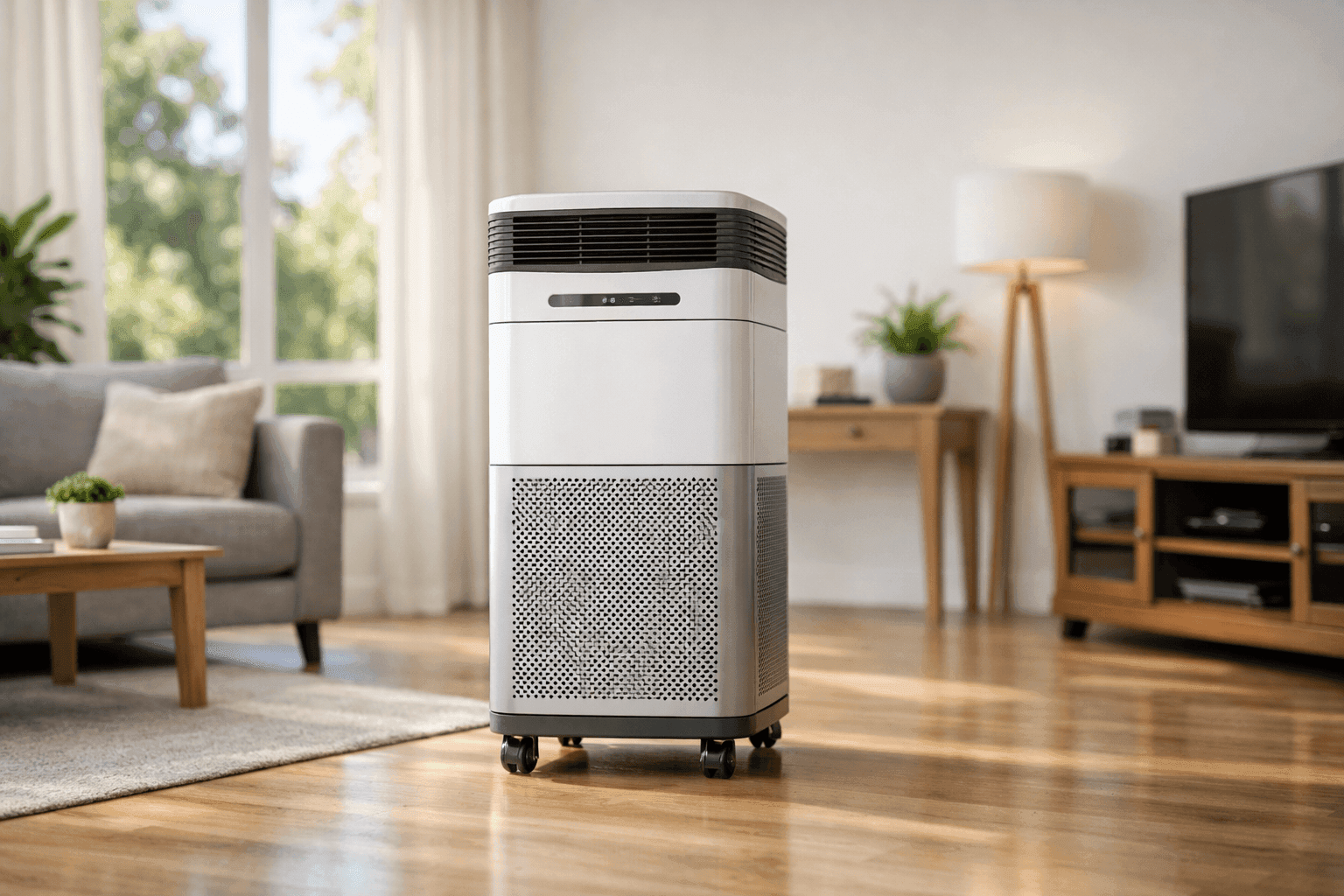
Portable air purifiers can be a smart addition, especially in bedrooms or offices. Look for models certified by organizations like AHAM (Association of Home Appliance Manufacturers). Match the purifier to your room size for real results.
Whole-home solutions—like high-efficiency HVAC filters or UV air scrubbers—treat every room at once. Ask your HVAC pro which options fit your system and your needs.
Duct Cleaning and Air Balancing
If your ducts are dusty, poorly sealed, or out of balance, some rooms may feel stuffy while others are drafty. Professional duct cleaning and air balancing make sure every corner gets its fair share of fresh air.
Signs You May Need It:
- Uneven temperatures between rooms.
- Visible dust near vents.
- Recent renovations or pest issues.
Safety First: Carbon Monoxide and Radon
Two invisible risks: carbon monoxide (CO) and radon gas. CO comes from fuel-burning appliances. Radon seeps up from the soil. Both are serious—CO is deadly, and radon is the leading cause of lung cancer among non-smokers.
Safety Steps:
- Install CO detectors on every floor, especially near sleeping areas.
- Test for radon with a certified kit or professional service.
- Maintain all fuel-burning equipment as recommended by the manufacturer and local codes.
Quick Indoor Air Quality Checklist
Want a quick gut-check? Here’s what you can do today:
- Open a window for 10-15 minutes (if weather permits).
- Change your HVAC filter.
- Run bathroom/kitchen exhaust fans after use.
- Wipe down high-touch surfaces.
- Check for visible mold or moisture leaks.
- Store chemicals in a safe, ventilated area.
What to Expect from a Professional Visit
When you book a service, here’s what typically happens:
- Technicians will inspect your HVAC system, filters, and ductwork.
- Air quality monitors may be used to test for particles, VOCs, or gases.
- You’ll get clear, practical advice—no scare tactics, just honest findings.
- Recommendations will be based on building codes and industry standards.
Costs, Timeline, and Disruption
Most IAQ improvements—like changing filters or adding a portable purifier—are quick and affordable. Larger fixes, such as duct cleaning or installing a whole-home air scrubber, may take a few hours. Professional testing is usually non-invasive and can be done in a single visit.
Common Mistakes to Avoid
- Forgetting to change filters—set reminders if needed.
- Over-humidifying in winter or overusing dehumidifiers in summer.
- Blocking vents with furniture or drapes.
- Using strong chemical cleaners without proper ventilation.
Final Thoughts: Breathe Easier, Every Day
Clean air is a daily investment, not a one-time fix. By building good habits and knowing when to get help, your indoor air can stay as fresh as the outdoors—all year long.
Call Matlock HVAC now — or reach us anytime at 844-484-6545 .