How to Improve Indoor Air Quality in Your Home or Office
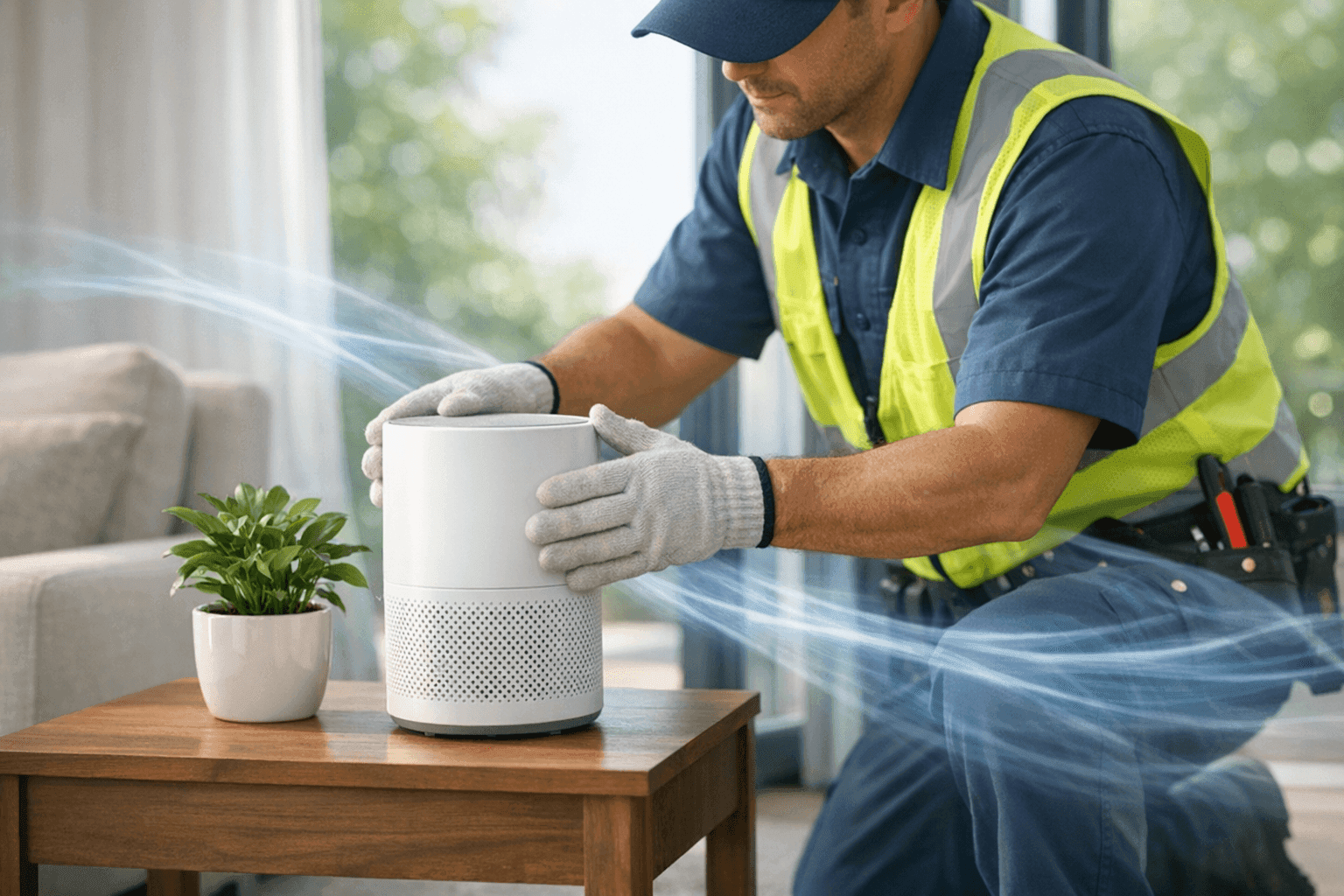
Is the air you breathe at home or work as clean as it should be? Many people don’t realize just how much indoor air quality (IAQ) can impact daily life—until headaches, allergies, or fatigue become part of the routine. At Matlock HVAC, we know that a healthy space starts with the air itself.
You don’t need to see dust floating in a sunbeam to know something’s off. Invisible pollutants can build up quietly, affecting comfort and even long-term health. Let’s dig into the real reasons IAQ matters, what causes problems, and exactly what you can do about it.
Why Indoor Air Quality Matters 🏠
Think of your indoor air as the invisible foundation of your comfort. When it’s clean, you feel refreshed—like stepping outside after a summer rain. When it’s polluted, every breath is a little heavier, and over time, those effects add up. According to the Environmental Protection Agency (EPA), indoor air can be two to five times more polluted than outdoor air.
Poor IAQ isn’t just about discomfort. It can trigger asthma, allergies, and even increase the risk of respiratory illnesses. For businesses, it can mean more sick days and less productivity. For families, it’s about protecting kids, elders, and anyone with sensitivities.
Sources of Indoor Air Pollution
Where does all this “bad air” come from? The culprits are often closer than you think:
- Dust and Pet Dander: Everyday living sheds particles that float and settle.
- Mold & Mildew: High humidity or unnoticed leaks create perfect breeding grounds.
- Cleaning Chemicals: That lemon-fresh scent? Sometimes it’s a cloud of volatile organic compounds (VOCs).
- Combustion Byproducts: Gas stoves, fireplaces, and even candles release particles and gases.
- Building Materials: Paint, carpets, and furniture can off-gas chemicals over time.
- Outdoor Pollution: Pollen and vehicle exhaust can sneak in through windows or ventilation.
Each home or office has its own mix of these sources. The key is knowing where to look—and how to stop them.
Key Strategies for Cleaner Air
Improving IAQ isn’t about one magic fix. It’s a blend of habits, equipment, and sometimes professional help. Here’s where to start:
- Ventilate Regularly: Open windows when weather allows, or use mechanical systems to bring in fresh air.
- Control Humidity: Aim for 30–50%. Too dry, and dust floats everywhere. Too damp, and mold thrives.
- Change Filters: HVAC filters should be checked monthly and replaced as needed.
- Clean Smart: Use a vacuum with a HEPA filter, and choose cleaning products with low VOCs.
- Limit Indoor Pollutants: Store paints, solvents, and chemicals outside living areas.
- Add Air Purifiers: Especially in rooms with high use or known issues.
Simple steps, repeated regularly, can make a dramatic difference. But sometimes, you need a deeper look.
Role of Filtration, Ventilation, and Humidity Control
Think of your HVAC system as the lungs of your building. Filters catch particles, ventilation brings in fresh air, and humidity control keeps things balanced.
Filtration
Not all filters are created equal. Basic fiberglass filters trap large dust, but higher-efficiency options like pleated or HEPA filters can capture much finer particles. Upgrading your filter is one of the easiest ways to boost IAQ.
Ventilation
Modern buildings are built tight to save energy, but that means pollutants can get trapped. Mechanical ventilation—like energy recovery ventilators (ERVs)—can exchange stale indoor air for fresh outdoor air without losing heat or cooling.
Humidity Control
Humidifiers and dehumidifiers keep moisture in check. Dry air can irritate sinuses, while too much humidity invites mold and dust mites. Smart thermostats can help automate these systems for consistent comfort.
For a tailored approach, indoor air quality services can assess your space and recommend the right combination of filtration, ventilation, and humidity solutions.
Professional vs. DIY Solutions
Some fixes are simple—like swapping out a filter or opening a window. Others, like duct cleaning or installing an air scrubber, are best left to professionals. Here’s how to tell the difference:
DIY Steps
- Regularly dust and vacuum with HEPA filters.
- Check and replace HVAC filters.
- Run exhaust fans in kitchens and bathrooms.
- Keep humidity in check with portable units.
When to Call a Pro
- Persistent odors or visible mold.
- Unexplained allergy symptoms.
- HVAC system making strange noises or not performing.
- Large spaces or complex needs (like offices or multifamily buildings).
Professionals have specialized tools—like particle counters and thermal cameras—to diagnose hidden problems. They’re also trained to handle hazardous materials safely.
IAQ Testing: Seeing the Invisible
You can’t fix what you can’t see. That’s where IAQ testing services come in. These tests measure levels of common pollutants—like mold spores, VOCs, carbon monoxide, and particulates—giving you a clear picture of your air.
Testing can reveal issues you might never notice, such as a slow gas leak or hidden moisture behind walls. With this data, you can target solutions instead of guessing.
Quick Safety Checklist
Before you dive into upgrades or cleaning, run through this safety list:
- Check Carbon Monoxide Detectors: Replace batteries at least once a year.
- Inspect for Mold: Look around windows, under sinks, and in basements.
- Test Smoke Alarms: Every floor, every bedroom.
- Review Chemical Storage: Keep paints, cleaners, and fuels in sealed containers, away from living spaces.
Following local building codes and safety guidelines keeps your improvements safe and effective.
Common Mistakes to Avoid
It’s easy to overlook the basics. Here are a few pitfalls:
- Ignoring filter changes—clogged filters choke your system and worsen air quality.
- Over-humidifying—too much moisture is as bad as too little.
- Skipping professional maintenance—small issues can snowball into big repairs.
- Using scented candles or sprays—these can add to the problem, not solve it.
Signs Your IAQ Needs Attention
How do you know it’s time to act? Watch for:
- Frequent sneezing, coughing, or itchy eyes indoors.
- Musty smells or visible mold.
- Dust buildup around vents and surfaces.
- Unusual fatigue or headaches, especially after spending time inside.
If you notice any of these, it’s time to investigate.
Costs & Time Factors
Improving IAQ doesn’t have to break the bank. Many steps—like changing filters or using portable purifiers—are affordable and quick. Larger upgrades, like whole-home humidifiers or advanced filtration, are investments that pay off in comfort and health.
Professional assessments and installations may take a few hours to a full day, depending on the size and complexity of your space.
When It's an Emergency
Some air quality issues can’t wait. If you smell gas, see significant mold growth, or your carbon monoxide alarm goes off, treat it as urgent. Evacuate if needed and call the proper authorities.
For ongoing issues that need fast attention, you can always find Minneapolis HVAC services available around the clock.
Seasonal Considerations
Air quality challenges shift with the seasons. Spring brings pollen, summer can mean high humidity, and winter often leads to dry air and closed windows. Adjust your strategies as the weather changes—run humidifiers in winter, dehumidifiers in summer, and keep up with filter changes year-round.
Preparing for Service
Before a technician arrives, clear access to your HVAC equipment and vents. Make a list of symptoms or concerns. This helps the process go smoothly and ensures nothing gets overlooked.
Prevention & Maintenance
The best air quality is proactive. Schedule regular HVAC maintenance, keep up with cleaning, and review your system’s performance each season. Preventative steps now mean fewer headaches later.
FAQ: Indoor Air Quality
Q: How often should I change my HVAC filter?
A: Check monthly, replace every 1–3 months, or more often if you have pets or allergies.
Q: Are portable air purifiers worth it?
A: Yes, especially for bedrooms or offices with specific concerns.
Q: Can I test my own air quality?
A: Home test kits exist, but professional IAQ testing provides more accurate and actionable results.
Q: What’s the ideal indoor humidity?
A: Aim for 30–50%. Too low or too high can cause problems.
Take Control of Your Air
Clean air doesn’t just happen—it’s built, one step at a time. Whether you’re at home or managing a busy office, Matlock HVAC is here to help you breathe easier. From indoor air quality services to IAQ testing services, we tailor solutions to your needs.
Call Matlock HVAC now — or reach us anytime at 844-484-6545 .