How to Clean and Maintain Your Mini-Split System
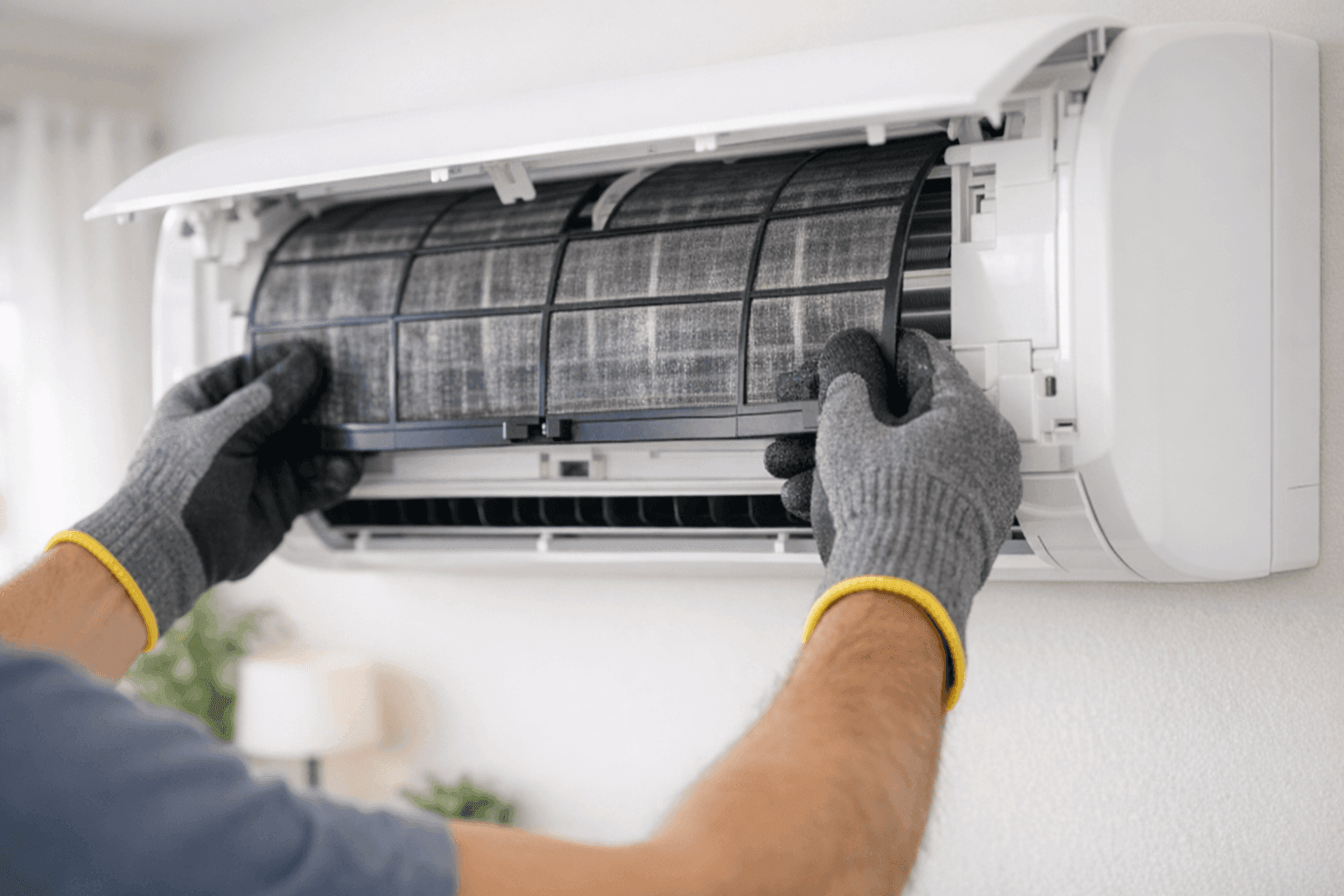
Is your mini-split system working harder than it should? Dust, pollen, and pet hair can quietly build up inside, choking airflow and spiking your energy bills. If you’ve ever wondered why your home feels stuffy or your utility costs keep creeping up, your mini-split might be sending you a message.
At Matlock HVAC, we know a little maintenance goes a long way. A well-cared-for mini-split isn’t just quieter and more efficient—it helps you breathe easier, too. Let’s walk through what you can do yourself, when to ask for help, and how to keep your system humming all year.
Why Mini-Split Maintenance Matters 🛠️
Think of your mini-split as the lungs of your home or business. When filters and coils get clogged, it’s like trying to breathe through a scarf. Air gets trapped. Dust and allergens collect. The system strains, using more energy while giving you less comfort.
Regular cleaning and maintenance aren’t just chores—they’re insurance. According to the U.S. Department of Energy, clean HVAC systems can cut energy use by 5–15%. That’s money back in your pocket and less stress on your equipment.
Neglect, on the other hand, can lead to:
- Reduced cooling and heating performance
- Higher energy bills
- Musty odors or visible dust
- Shortened equipment lifespan
Quick Safety Checklist Before You Start
Before you grab a screwdriver or step stool, pause for safety:
- Turn off the power. Always shut off your mini-split at the breaker and use the remote to power down.
- Let it cool. Wait at least 20 minutes after use to avoid touching hot components.
- Gather supplies. Soft cloths, a small vacuum with a brush attachment, mild soap, and a step ladder are usually enough.
- Check your manual. Manufacturer instructions often include helpful diagrams and warnings.
If you’re ever unsure, stop and call a professional. Safety comes first.
Cleaning Filters and Coils
Your mini-split’s filters are its first line of defense. When they’re dirty, air can’t flow freely, and your system works overtime.
Here’s how to clean them:
- Open the front panel. Most mini-splits have a hinged cover. Gently lift it until it clicks.
- Remove the filters. They usually slide or pop out. Note their position for easy reinstallation.
- Vacuum loose dust. Use a brush attachment to remove surface dirt and debris.
- Wash with mild soap. Rinse the filters in lukewarm water and a drop of dish soap. Avoid hot water or harsh chemicals.
- Dry thoroughly. Let filters air dry completely before putting them back. Never use a hair dryer or heater.
- Replace and close. Slide filters back in, snap the cover shut, and restore power.
For the coils:
- Use a soft, dry cloth or a coil cleaning brush.
- Gently wipe away dust without bending the delicate fins.
- If you notice mold or sticky residue, it’s time for a deeper clean—call in a pro.
Inspecting the Outdoor Unit 🌳
Your mini-split’s outdoor unit does the heavy lifting, braving rain, snow, and leaves. Give it a quick check every month or two.
- Clear away debris. Remove leaves, twigs, and grass clippings from around the unit.
- Check airflow. Make sure there’s at least two feet of space on all sides.
- Inspect for pests. Small animals sometimes nest inside or chew on wires.
- Look for damage. Bent fins, rust, or oil spots can signal trouble.
If you spot anything unusual, take a photo and contact your HVAC provider.
How Often Should You Clean Your Mini-Split?
- Filters: Every 2–4 weeks during peak use, especially if you have pets or allergies.
- Coils: Every 3–6 months, or more often in dusty environments.
- Outdoor unit: Inspect monthly, clean as needed.
Regular maintenance helps your mini-split services work at their best—saving you time, money, and stress.
Common Mistakes to Avoid
Even with the best intentions, it’s easy to overlook a few things:
- Skipping filter cleaning: Even a thin layer of dust can reduce airflow by 15%.
- Using harsh chemicals: Stick to mild soap and water; strong cleaners can damage filters and coils.
- Forgetting to turn off power: Always cut power before cleaning to avoid electric shock.
- Ignoring strange noises or smells: These are warning signs, not background noise.
When to Call a Professional
Some jobs are better left to the pros. If you notice:
- Persistent odors or visible mold inside the unit
- Water leaks or ice buildup on the indoor unit
- Unresponsive controls or error codes
- Reduced heating or cooling, even after cleaning
It’s time to schedule a visit. For those in the Idaho Falls area, professional support is just a call away.
What Pros Do During a Maintenance Visit
A trained HVAC technician will:
- Deep clean coils and blower wheels
- Inspect refrigerant levels and electrical connections
- Test system performance and safety controls
- Check for leaks, corrosion, or worn parts
They’ll also offer advice on humidity solutions or upgrades—like humidifiers near you or advanced air filtration—to improve your indoor air quality.
Seasonal Considerations for Mini-Splits ☀️❄️
- Spring: Clean filters and coils before the first heat wave.
- Summer: Inspect outdoor unit for plant growth or storm debris.
- Fall: Double-check for leaves and prep for cooler temps.
- Winter: Keep outdoor unit clear of snow and ice.
In extreme weather, check your system weekly for blockages or frost.
DIY vs. Professional Maintenance
Some tasks are simple and safe for homeowners:
- Cleaning filters
- Dusting the exterior
- Checking for visible debris
Others—like refrigerant checks, electrical repairs, or internal deep cleaning—require specialized tools and training. If in doubt, err on the side of caution.
Signs Your Mini-Split Needs Immediate Attention
- Sudden loss of heating or cooling
- Unusual grinding or buzzing noises
- Water dripping from the indoor unit
- Circuit breaker trips when the system runs
Don’t wait. These can indicate electrical issues or refrigerant leaks, which need fast, professional care.
Materials and Tools You’ll Need
- Soft microfiber cloths
- Mild dish soap
- Small vacuum with brush attachment
- Step ladder
- Flashlight for inspecting tight spaces
Optional: coil cleaning brush, manufacturer-recommended filter replacements.
The Cost and Time Factor
DIY cleaning usually takes 15–30 minutes per unit. Professional maintenance may take an hour or more, depending on system size and condition. Investing this time keeps your system efficient, extends its life, and helps you avoid costly breakdowns.
FAQ: Mini-Split Maintenance
How often should I replace my filters?
Most filters can be cleaned and reused, but replace them if they’re damaged or don’t come clean.
Is it safe to use bleach on coils?
No—bleach can corrode metal parts. Use only mild soap and water, or products recommended by your manufacturer.
Can I use my mini-split year-round?
Absolutely. With regular maintenance, mini-splits provide efficient comfort in all seasons.
The Bottom Line
A little routine care keeps your mini-split system running quietly and efficiently, giving you cleaner air and lower bills. If you ever feel unsure, need deeper cleaning, or run into trouble, Matlock HVAC is here to help.
Call Matlock HVAC now — or reach us anytime at 844-484-6545 .