How to Choose the Right HVAC Filter for Your Needs
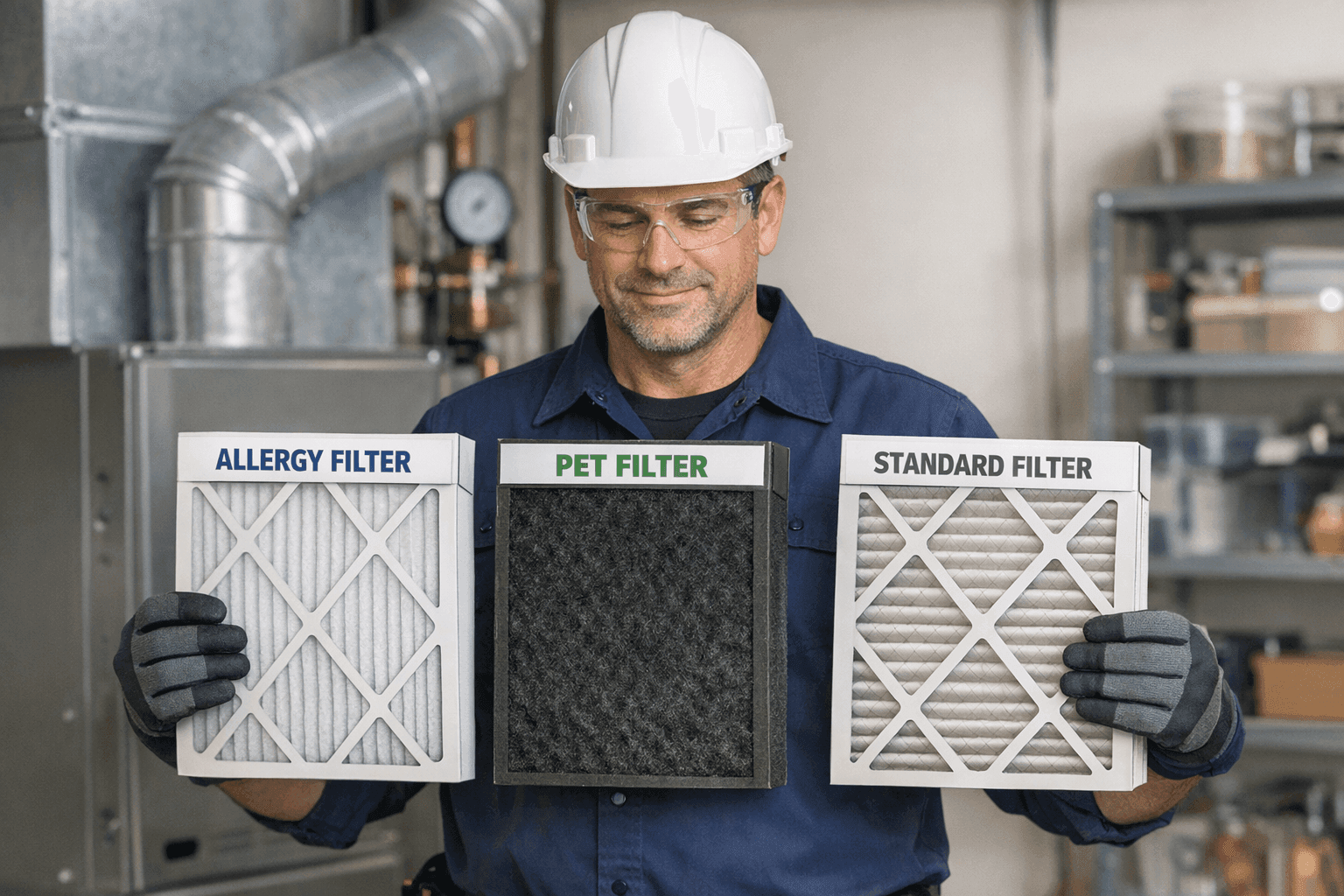
Is your nose always tickling? Does your HVAC system smell a bit off, or is dust gathering faster than you can sweep? You’re not alone. Picking the right filter for your HVAC system can feel a little like choosing the right pair of glasses—if you get it wrong, everything else gets blurry, and you’re left squinting through the haze.
At Matlock HVAC, we help both homeowners and businesses breathe easier every day. Here’s a simple, thorough guide to finding a filter that fits your life—not just your vent.
Types of HVAC Filters Explained 🏷️
Choosing a filter isn’t just about grabbing the first size you see at the store. There’s an alphabet soup of options. Let’s break down the basics:
- Fiberglass Filters: Thin, disposable, and budget-friendly. They catch big debris but let most tiny particles slip by.
- Pleated Filters: Like folding more fabric in a fan, pleats offer more surface to trap dust, pollen, and even some bacteria.
- HEPA Filters: High-Efficiency Particulate Air filters snatch up 99.97% of particles as small as 0.3 microns. Hospitals use these, but not all home systems can handle them.
- Electrostatic Filters: These use static electricity to attract dust and pollen. Some are washable, making them eco-friendly.
- Washable/Reusable Filters: Rinse, dry, reuse. Good for the environment, but only if you clean them regularly.
- Activated Carbon Filters: Add an odor-fighting punch, helpful for homes with pets or smoke.
Each type has its own strengths. What you need depends on your building, your air quality goals, and your system’s compatibility.
Factors to Consider When Choosing
Imagine your HVAC system as the lungs of your home or business. The filter? That’s the nose hair—catching the bad stuff before it goes any deeper.
Here’s what to weigh before buying:
- MERV Rating: Stands for Minimum Efficiency Reporting Value. Ratings go from 1 (least filtering) to 16 (most filtering for common residential systems). A higher number means more trapping power, but also more airflow restriction. Most homes do well with MERV 8–13.
- System Compatibility: Not every filter fits every system. Too thick or too restrictive, and you’ll strain your blower motor.
- Family or Office Needs: Pets? Allergies? Smokers? Small kids? Each adds a layer of complexity.
- Budget: Filters range from a few bucks to fifty dollars or more. More expensive doesn’t always mean better for your setup.
- Maintenance Habits: Be honest—will you remember to change or clean the filter every 1–3 months?
A quick peek at your owner’s manual (or a call to Matlock HVAC) can tell you what your blower can handle. Local building codes and the EPA also offer solid guidance on air quality standards.
Filters for Allergies, Pets, and IAQ
If sneezing is your family’s main sport, or you’ve got a furry parade at home, filter choice matters even more.
- For Allergies: Look for MERV 11–13 or higher. These catch pollen, mold spores, pet dander, and fine dust. HEPA filters are gold standard but might need a system upgrade.
- For Pet Hair and Odors: Pleated filters with activated carbon help with both fur and smells. Change often—fur builds up fast.
- For Indoor Air Quality (IAQ): If you’re serious about overall health, pair high-efficiency filters with professional IAQ testing to identify hidden issues like VOCs, bacteria, or mold.
Commercial spaces—especially those with high foot traffic or kitchens—should consider filters that balance capture ability with airflow, since too much restriction can overwork the system and raise energy bills.
When to Upgrade Your Filter 🆕
How do you know it’s time to move up a notch? Sometimes, your home will tell you:
- Constant Allergy Flare-Ups: If symptoms linger after cleaning and changing filters, you may need a higher-MERV option.
- Visible Dust Build-Up: When vents look fuzzy, or surfaces get dusty right after cleaning, your filter probably isn’t up to the job.
- Lingering Smells: Cooking, pets, or mustiness sticking around? Consider carbon or HEPA options.
- After Renovation: Construction dust is brutal. Upgrade during and after any big project.
- IAQ Test Results: If air quality testing shows mold, VOCs, or high particulate matter, it’s time to switch.
A pro can help you decide if your system can handle a beefier filter. Some upgrades require adjusting your HVAC’s blower or retrofitting ductwork. Don’t just jam a thick filter into a weak system—it’s like putting a marathon runner’s shoes on a toddler.
Quick Safety Checklist Before Replacing Your Filter
Safety first, always. Here’s a simple routine:
- Turn off your HVAC system before removing the old filter.
- Check the sizing. Don’t force a filter that doesn’t fit.
- Replace according to the arrow showing airflow direction.
- Dispose of old filters in a sealed bag—especially if you’re sensitive to dust or allergens.
- Wash hands after handling.
Keep your filter replacement schedule on a calendar, or set reminders on your phone. It’s easy to forget, but your nose will remind you soon enough.
DIY vs. Call a Pro
Changing a filter is usually a DIY win. But sometimes, it pays to have backup:
- If your filter is hard to reach or you’re unsure about the right size.
- When you notice airflow issues, odd noises, or unusual system behavior after changing.
- If you want an annual checkup or deeper cleaning, especially in commercial settings.
For advanced filter upgrades or modifications (like moving to HEPA or specialty filters), let Matlock HVAC handle the technical stuff. We’ll ensure your system stays safe, efficient, and within warranty.
What Pros Do On Arrival
When you call us, here’s what we look for:
- Inspect your current filter for type, fit, and condition.
- Check system airflow and static pressure.
- Review your HVAC’s blower settings and ductwork.
- Advise on the best filter for your needs and system.
- Offer tips on maintenance and air quality.
We keep up-to-date with guidelines from the American Society of Heating, Refrigerating and Air-Conditioning Engineers (ASHRAE) and the EPA, so your system stays code-compliant.
Prevention & Maintenance Tips
A filter is only as good as its upkeep. Here’s how to stay ahead:
- Check filters monthly, even if packaging says “lasts 90 days.”
- Replace or clean when dirty, not just on schedule.
- Keep return air vents clear—don’t block with furniture or boxes.
- Consider a yearly HVAC filter assessment to match your changing needs.
If you have pets or allergies, you may need to change filters more often. Commercial sites might need monthly changes, especially in busy seasons.
Costs & Time Factors
Filter prices range from $5 for basic fiberglass to $50+ for advanced HEPA or carbon models. Most homeowners spend $10–$30 per filter. Changing it yourself takes five minutes; professional service adds a bit more time and cost but can catch other issues early.
Don’t forget: A clogged filter makes your system work harder, which can spike energy bills and lead to expensive repairs down the road.
When It's an Emergency
Sometimes, dirty filters are more than just a nuisance—they’re a hazard. If your system shuts down, overheats, or airflow drops to a trickle, change the filter right away. Unusual sounds, burning smells, or a tripped breaker? Turn off the system and get help.
If you’re in a pinch and need fast help, Burnsville residents can check this page for immediate support.
Seasonal Considerations ❄️🌞
- Spring and Fall: Pollen and leaf debris spike—check filters more often.
- Summer: Air conditioners run longer, so filters fill up faster.
- Winter: Dry air and more time indoors can mean extra dust and dander.
Plan ahead. Stock up on filters before allergy season or major weather swings.
Common Mistakes to Avoid
- Using a filter with a MERV rating your system can’t handle.
- Forgetting to check the airflow arrow—backward filters don’t work.
- Neglecting filter changes for months. Out of sight is not out of mind.
- Using the wrong size or type. Measure twice, buy once.
- Ignoring strange smells or noises after a switch.
Signs of Trouble
You don’t need to be an HVAC tech to spot warning signals:
- Stuffy or musty air, even after cleaning.
- System cycling on and off too often.
- Higher utility bills.
- Unusual sounds from your vents.
If these crop up, it’s time for a filter check—and maybe a deeper system look.
Timeline & Disruption
For most homes and small businesses, changing a filter takes just a few minutes. More complex upgrades—like moving to HEPA or customizing ductwork—can take a few hours. Plan for a short system downtime if you’re scheduling professional service.
Materials & Equipment
- Correct replacement filter(s)
- Screwdriver (sometimes needed for access panels)
- Gloves and a mask (recommended for allergies)
- Sealed bag for disposal
Keep a small stash of filters in a dry place so you’re never caught off guard.
FAQ
Q: How often should I change my HVAC filter?
A: Every 1–3 months is standard, but homes with pets, allergies, or heavy use may need more frequent changes.
Q: Can I use any filter my hardware store sells?
A: No—always check your system’s specs and MERV compatibility.
Q: Will a better filter help my allergies?
A: Absolutely—higher MERV or HEPA filters can make a big difference, especially with indoor air quality testing to guide your choices.
Q: Are expensive filters always better?
A: Not always. The right filter is the one your system can handle and that meets your family or business’s needs.
Call Matlock HVAC now — or reach us anytime at 844-484-6545 .