How to Balance HVAC Airflow in Home or Office
Does your living room feel like a sauna while your bedroom is an icebox? Maybe your office has a drafty corner and a stuffy meeting room. You’re not imagining things—uneven airflow is a common headache in both homes and workplaces.
At Matlock HVAC, we know how frustrating it is when your comfort system doesn’t deliver even temperatures or fresh air where you need it. Balanced airflow isn’t just about comfort; it’s about energy savings, healthy air, and getting the most from your HVAC investment.
What Is Air Balancing? 🌬️
Think of your HVAC system like a set of lungs for your building. Air balancing is the process of making sure those "lungs" breathe evenly—delivering the right amount of air to every room, no matter how far it is from the furnace or AC.
Professional air balancing uses tools and techniques to measure and adjust how much warmed or cooled air reaches each space. The goal? Every room feels just right, with no hot or cold spots, and your system runs efficiently without wasting energy.
According to the National Comfort Institute, proper airflow is a key factor in HVAC performance and indoor air quality. It’s not just a comfort issue—it’s a building science essential.
Signs Your HVAC Airflow Is Unbalanced
How do you know if your airflow is out of whack? Here are some telltale signs:
- Certain rooms are always too hot or too cold
- Weak airflow from some vents, but strong gusts from others
- Doors that slam shut or drift open on their own
- Excessive dust or musty odors in particular areas
- Unusual noises, like whistling or rattling, from ducts or vents
- Higher-than-expected energy bills
If you notice these symptoms, your HVAC system might be working harder than it should—costing you comfort and money.
Quick Safety Checklist Before You Start
Before you roll up your sleeves or call for help, keep safety in mind:
- Turn off your HVAC system before inspecting vents or ducts.
- Use a sturdy ladder for high vents—never stand on furniture.
- Avoid touching electrical connections or wiring.
- Wear a mask and gloves if you’re cleaning dusty ducts or filters.
- If you smell burning, see sparks, or notice water leaks, stop and call a professional.
Safety first—always.
Why Does Airflow Get Unbalanced?
Like a river winding through rocks and branches, air in your ducts can get blocked, diverted, or slowed down. Here are some common culprits:
- Closed or blocked vents (furniture, rugs, or boxes in the way)
- Dirty air filters or clogged ducts
- Leaky or poorly sealed ductwork
- Incorrectly sized HVAC equipment
- Poorly designed duct layouts
- Faulty dampers or broken registers
Even new systems can develop airflow issues if installation or maintenance is skipped.
Steps to Balance HVAC Airflow
Ready to tackle uneven air? Start with these practical steps:
1. Check and Open All Vents
Walk through your space and make sure every supply and return vent is open and unobstructed. Move any furniture or drapes blocking airflow.
2. Replace or Clean Air Filters
A dirty filter is like a clogged nose for your system. Change filters every 1–3 months, or more often if you have pets or allergies. This simple step can make a dramatic difference.
3. Inspect Ducts for Leaks or Blockages
If you can access your ductwork, look for disconnected joints, holes, or crushed sections. Duct tape is a temporary fix—professional sealing is best for long-term results.
4. Adjust Dampers and Registers
Some systems have manual dampers inside the ducts (small levers near the main trunk lines). Adjust these to direct more air to rooms that need it. You can also partially close registers in over-conditioned rooms, but never close them completely.
5. Test Airflow
Hold a tissue or lightweight ribbon near each vent. If it barely moves, airflow is weak. If it flaps wildly, it may be too strong. Balanced airflow should be steady and gentle.
6. Schedule Professional Air Balancing
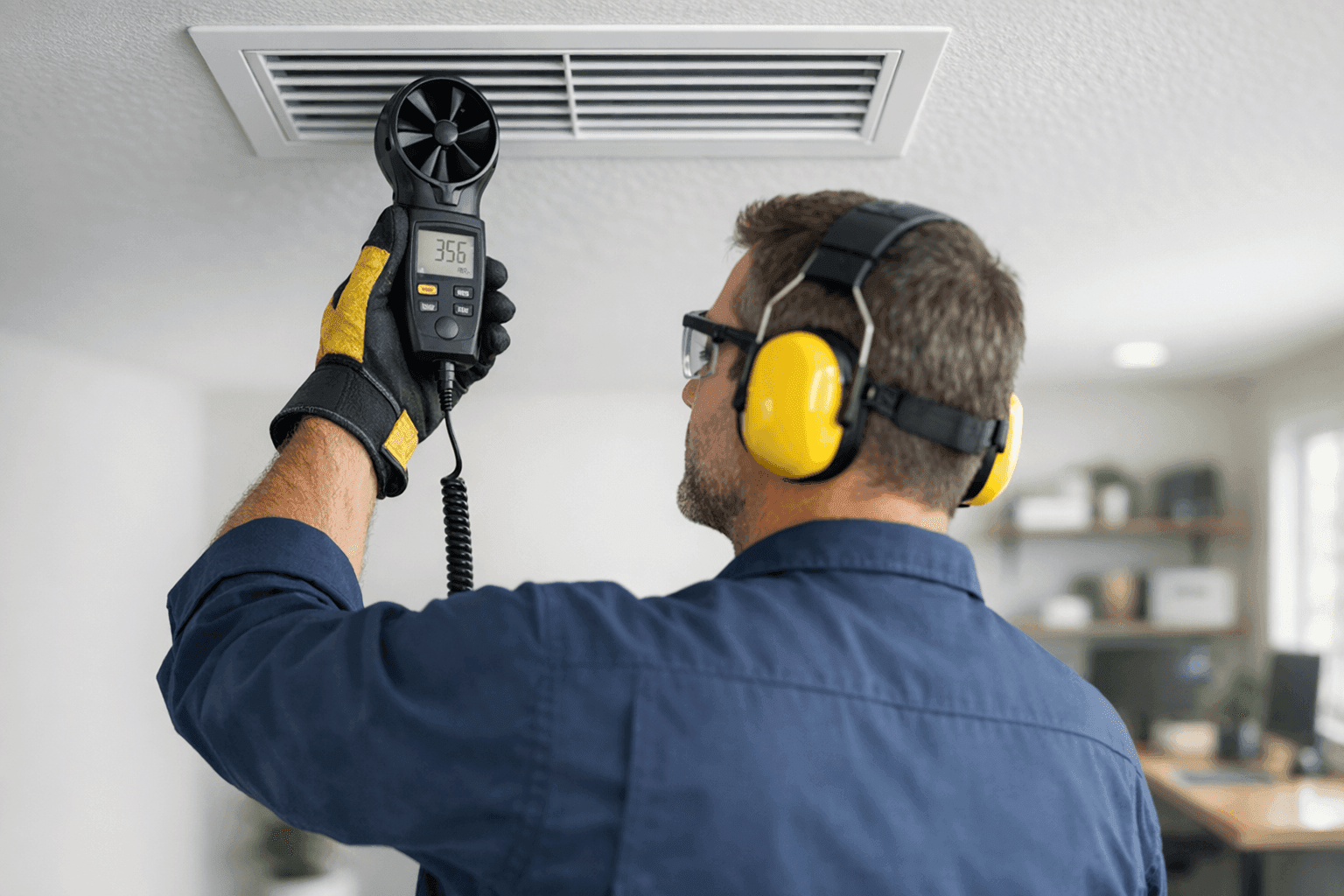
If DIY steps don’t solve the problem, it’s time to call in the pros. Certified technicians use specialized tools—like anemometers and pressure gauges—to measure and fine-tune airflow throughout your entire system. Matlock HVAC offers air balancing services tailored to both homes and businesses.
Common Mistakes That Make Airflow Worse
It’s easy to make things worse if you’re not careful. Avoid these pitfalls:
- Closing too many vents, which increases pressure and can damage your system.
- Using the wrong filter size or type.
- Ignoring regular maintenance.
- Overlooking duct leaks or insulation issues.
- Trying to “fix” airflow with fans or space heaters instead of addressing the root cause.
When in doubt, ask a professional for advice.
How Regular Maintenance Prevents Airflow Problems
Routine care is the secret to smooth, balanced air. Here’s how HVAC maintenance keeps your system running at its best:
- Clean filters and coils reduce strain and improve airflow.
- Inspections catch leaks and blockages early.
- Lubrication and adjustments keep moving parts working quietly.
- Seasonal checkups prepare your system for temperature swings.
The U.S. Department of Energy recommends annual maintenance for both heating and cooling systems to maximize performance and lifespan.
DIY vs. Professional Air Balancing
Changing a filter or opening a vent is safe for most homeowners. But when it comes to measuring airflow, adjusting dampers, or sealing ducts, professional tools and experience make all the difference.
Certified technicians follow industry standards (like those from ASHRAE and ACCA) to ensure your system meets safety and efficiency codes. For complex issues, professional air balancing is the gold standard.
When to Call a Professional
If you’ve tried the basics and still feel like your space is a patchwork of climates, it’s time to bring in the experts. Persistent hot or cold spots, high energy bills, or strange noises are all signs you need help.
In some cases, especially in older buildings or after renovations, ductwork may need redesign or replacement. A professional assessment can save you time, money, and frustration.
If you’re looking for Hilo HVAC services, Matlock HVAC is available for both residential and commercial needs.
What Pros Do When They Arrive
A certified technician will:
- Measure airflow at every vent using precise instruments
- Inspect ductwork for leaks, blockages, or insulation gaps
- Check system pressure and balance dampers
- Recommend repairs or upgrades if needed
- Provide a detailed report of findings and solutions
It’s a thorough process that takes the guesswork out of comfort.
Costs and Time Factors
Air balancing costs vary depending on system size, complexity, and needed repairs. A typical assessment takes a few hours for a standard home, longer for large offices or commercial buildings.
Investing in proper airflow saves money over time by reducing energy waste and preventing costly breakdowns.
When It’s an Emergency 🚨
Sudden loss of airflow, burning smells, or electrical issues are emergencies. Shut down your system and call for immediate service. Don’t risk safety—let a professional handle urgent repairs.
Seasonal Considerations for Airflow
Your airflow needs change with the seasons. In summer, you may need more cooling in sunny rooms. In winter, basements and corners get chilly. Schedule a tune-up before major weather shifts to keep things balanced year-round.
Airflow and Indoor Air Quality
Balanced airflow isn’t just about temperature. It’s also key to healthy air. Poor circulation can lead to humidity problems, mold, and stale odors. Consider adding humidifiers, dehumidifiers, or air scrubbers for extra protection—especially if you notice allergy symptoms or musty smells.
Preparing for Professional Service
Before your technician arrives:
- Make sure all vents and registers are accessible.
- List any problem rooms or symptoms.
- Know where your thermostat and main HVAC unit are located.
- Secure pets and clear pathways for easy access.
This helps your appointment go smoothly and efficiently.
Frequently Asked Questions
Can I balance airflow myself?
You can handle simple steps like changing filters and opening vents. For deeper issues, professional tools and experience are needed.
How often should I balance my HVAC system?
Check airflow at least once a season, or any time you notice comfort issues. Annual professional balancing is recommended for most homes and offices.
Will duct cleaning help?
Absolutely. Clean ducts reduce blockages and improve air quality. Combined with balancing, it’s a smart move for any building.
Final Thoughts: Comfort and Efficiency Go Hand in Hand
Balanced airflow is the secret ingredient for comfort, savings, and healthy indoor air. Whether you’re managing a busy office or relaxing at home, a well-tuned HVAC system makes all the difference.
Need help with airflow, indoor air quality, or regular HVAC upkeep? Matlock HVAC is here for you—residential or commercial, day or night.
Call Matlock HVAC now — or reach us anytime at 844-484-6545 .