How Often Should You Schedule HVAC Maintenance?
You wouldn’t drive your car for years without changing the oil. Your HVAC system needs that same level of care. Whether you’re at home or managing a busy commercial space, regular checkups make all the difference—saving you from headaches, high bills, and chilly mornings.
So, how often should you roll up your sleeves (or call in the pros) for HVAC maintenance? Let’s break it down, step by step, so you can breathe easier all year round.
Recommended HVAC Maintenance Schedules 🛠️
There’s a rhythm to keeping your heating and cooling humming. Most industry guidelines—including Energy Star and the American Society of Heating, Refrigerating and Air-Conditioning Engineers (ASHRAE)—recommend these timelines:
- Twice a year: Schedule professional HVAC maintenance in spring and fall. One visit focuses on your air conditioning, the other on your furnace or heating system.
- Once a year: At a minimum, your system should be professionally inspected and tuned up annually. Spring is ideal for AC, fall for heating.
- Every 1-3 months: Change your HVAC filters. More often if you have pets, allergies, or live somewhere dusty.
For commercial systems or homes with extra features—like humidifiers, air scrubbers, or whole-house fans—adjustments may be needed. If you’re unsure, check your manufacturer’s manual or consult a dedicated HVAC maintenance resource.
Factors Affecting Service Frequency
Not every building is the same. Your ideal maintenance schedule might shift based on:
- System Age: Older units need more frequent attention. Think of them like vintage cars—lovely, but a bit touchy.
- Usage Habits: If your AC runs nearly nonstop all summer, or your furnace battles tough winters, bump up your tune-up schedule.
- Indoor Air Quality Add-ons: Units with humidifiers, dehumidifiers, or air quality upgrades need checks to keep them balanced and safe.
- Pets or Allergies: More hair, dander, and dust mean more frequent filter changes and duct cleaning.
- Location: Urban areas or places with construction dust require extra vigilance.
When in doubt, a professional can tailor a plan that fits your space.
What Pros Do On Arrival
A true HVAC checkup is more than a quick look. Here’s what a certified technician usually covers:
- Inspecting and cleaning coils, burners, fans, and blowers
- Checking and replacing air filters
- Testing thermostat calibration and safety controls
- Lubricating moving parts to prevent wear
- Measuring refrigerant levels in AC systems
- Examining electrical connections for corrosion or damage
- Clearing drain lines to prevent water leaks
Commercial spaces may need added steps—like air balancing or generator testing. Homeowners with extras (think: mini-splits, radiant heating, or air scrubbers) should expect those systems to be included.
Prevention & Maintenance: What You Can Do
You don’t have to wait for a technician to keep things running smoothly. Try these simple habits:
- Check your filters monthly. Replace them when dirty.
- Keep vents and registers clear of furniture or clutter.
- Listen for odd sounds or notice new smells—these can be early warning signs.
- Program your thermostat for energy savings.
- Trim back plants or debris around outdoor AC units.
Small steps add up. They keep your system efficient and comfortable, and help you spot trouble before it grows.
Costs & Time Factors
A typical HVAC tune-up takes about 1-2 hours, sometimes longer for commercial systems or if hidden issues turn up. Costs vary depending on system size, region, and any extra services (like duct cleaning or IAQ testing).
Remember, investing in regular maintenance can fend off big repair bills later. According to the U.S. Department of Energy, well-maintained systems use up to 25% less energy than neglected ones.
When It’s an Emergency
Sometimes, you can’t wait for a routine appointment. Call for immediate help if you notice:
- No heating or cooling when you need it most
- Burning smells, smoke, or sparking
- Leaks—especially refrigerant or water pooling around your unit
- Sudden loud noises, like banging or screeching
If you’re in Bellevue and need urgent assistance, Matlock HVAC is ready for 24-hour service—check local emergency availability anytime.
Seasonal Considerations 🍂
Timing matters. The best windows for maintenance are just before your system’s busiest season:
- Spring: Tune up your AC. Clean coils, check refrigerant, and inspect belts.
- Fall: Prep your furnace or heating system. Test igniters, inspect heat exchangers, and change filters.
This way, you’re ready for whatever the weather brings.
Quick Safety Checklist
Before any maintenance visit:
- Turn off power to your HVAC system.
- Clear the area around indoor and outdoor units.
- Keep pets and kids safely away from work zones.
- Share any recent issues with your technician.
Following these steps keeps everyone safe and your appointment running smoothly.
DIY vs. Call a Pro
Some tasks are safe for DIY—like swapping filters or gently vacuuming vents. But deep cleaning, electrical checks, and refrigerant handling are jobs for licensed pros.
Never attempt repairs beyond your comfort level. Incorrect fixes can void warranties or create safety hazards.
Signs of Trouble: When to Schedule Sooner
Don’t wait for your scheduled tune-up if you notice:
- Unusual smells (burning, musty, chemical)
- Strange noises (rattling, hissing, banging)
- Weak airflow or uneven temperatures
- Frequent cycling on and off
Early attention can prevent small issues from becoming major breakdowns.
Common Mistakes to Avoid
- Skipping annual service—out of sight, out of mind never works for HVAC.
- Using the wrong filter size or type.
- Blocking vents with furniture or drapes.
- Ignoring abnormal noises or smells.
- Waiting until the first heatwave or deep freeze—techs book up fast!
Stay proactive to keep your system—and your peace of mind—intact.
Risks of Skipping Maintenance ⚠️
It’s tempting to put off service, especially when everything seems fine. But skipping maintenance can lead to:
- Higher energy bills
- Shorter system lifespan
- Poor indoor air quality (mold, dust, allergens)
- Frequent, costly repairs
- Unsafe conditions (gas leaks, electrical hazards)
ASHRAE and the EPA both stress that regular maintenance is essential for safe, efficient HVAC performance.
Setting Up a Maintenance Plan
Life gets busy. That’s why many homeowners and businesses rely on scheduled service agreements. With a plan in place, you get:
- Automatic reminders for seasonal tune-ups
- Priority scheduling for urgent repairs
- Discounts on parts and labor (where available)
- Peace of mind—no more guessing when you’re due
Matlock HVAC offers flexible maintenance options. If you want to learn more, check out our AC maintenance service details.
Timeline & Disruption: What to Expect
Worried about the hassle? Most maintenance visits are quick and tidy. Techs work efficiently, minimize noise, and respect your space. In most cases, you’ll barely notice the disruption—just the improved comfort afterward.
Materials & Equipment Used
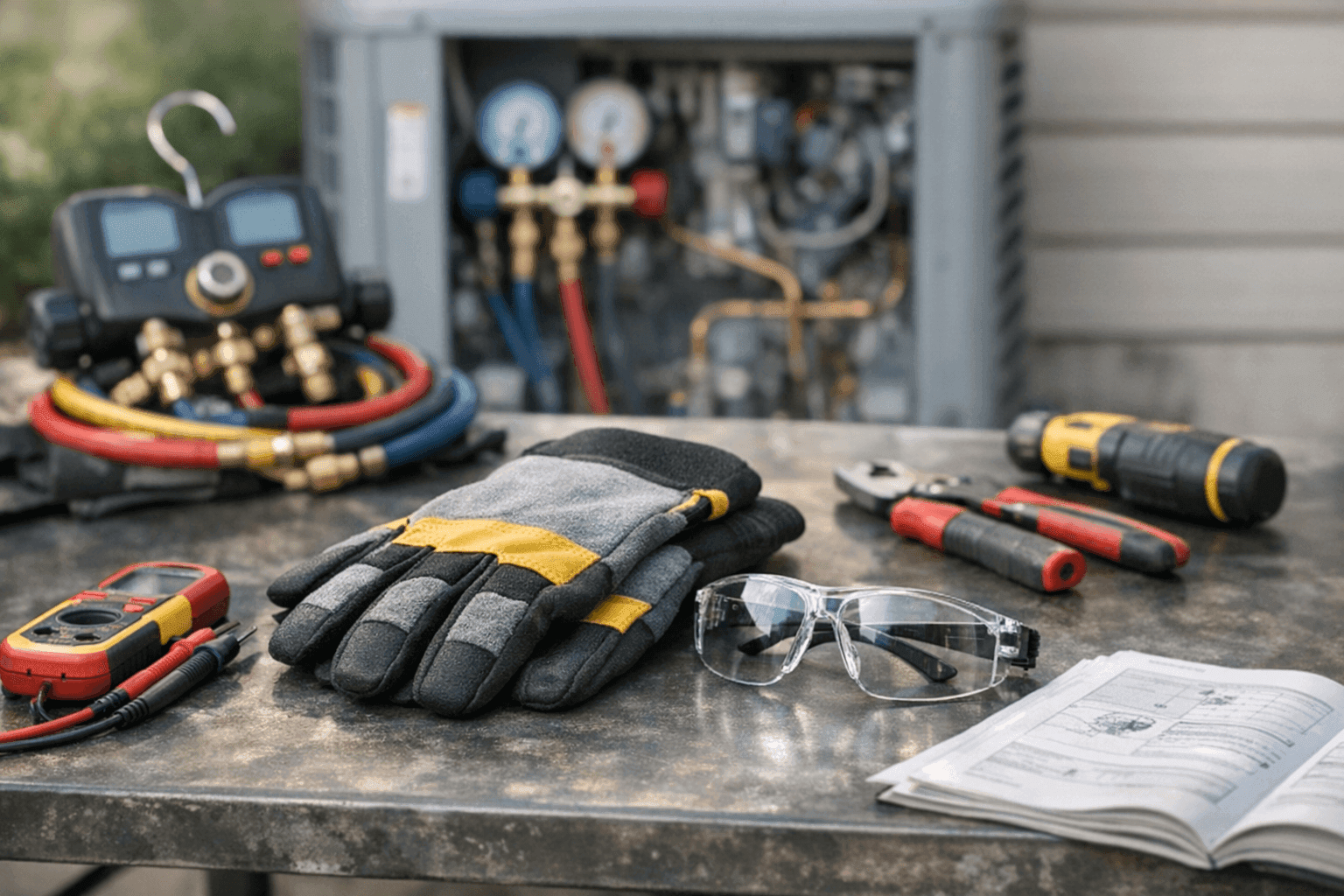
Professionals arrive equipped with:
- Certified gauges and meters
- Cleaning tools for coils and ducts
- Replacement filters and belts
- Protective gear and safety supplies
This ensures your system gets a thorough, safe checkup—far more than a basic filter swap.
Home Energy Audits & Indoor Air Quality
Beyond routine care, consider a professional home energy audit or IAQ (Indoor Air Quality) evaluation. These services identify energy leaks, air flow imbalances, and hidden contaminants—helping you fine-tune comfort and lower utility bills.
Final Thoughts: Why Regular Maintenance Matters
Regular HVAC maintenance is like routine dental care. A little attention now saves you pain (and money) later. Comfort, clean air, and reliable performance start with a simple appointment.
Call Matlock HVAC now — or reach us anytime at 844-484-6545 .