How Often Should You Replace Your HVAC Filters?
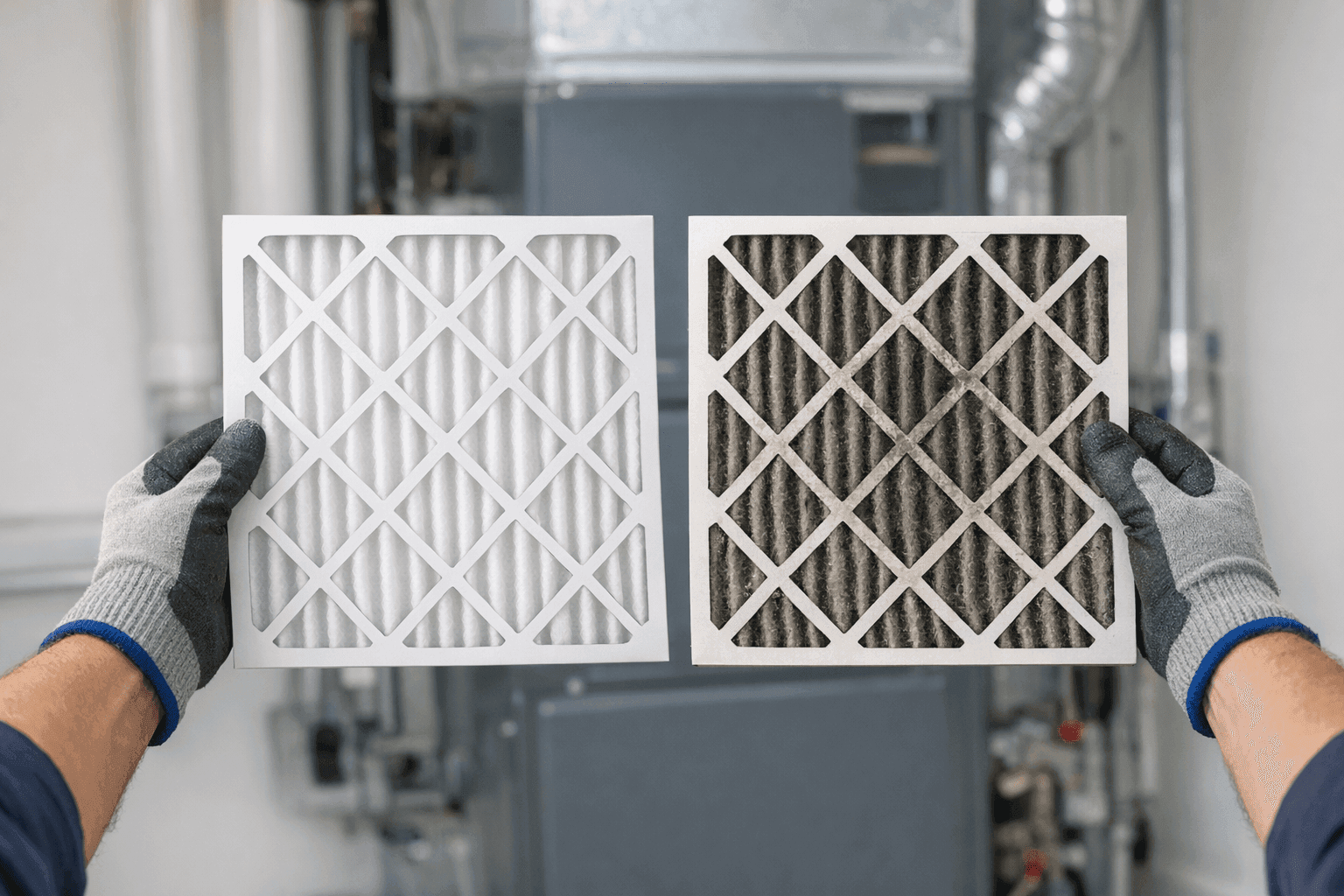
If you’ve ever noticed your home feeling stuffy or your energy bills creeping up, your HVAC filter could be waving a red flag. At Matlock HVAC, we know filter changes are the unsung hero of comfort—keeping your air fresh, your system healthy, and your family or staff breathing easy.
It’s not just a box you swap out. It’s the frontline defense against dust, allergens, and breakdowns. Let’s break down how often to replace HVAC filters, why it matters, and how you can make it a routine, not a headache.
Why Filter Replacement Matters 🛡️
Imagine your HVAC system as the lungs of your building. Would you want those lungs choked with dust and pollen? A clean filter lets your system “breathe” freely, trapping particles before they circulate through your air. When neglected, a clogged filter becomes a brick wall—straining your system, reducing efficiency, and letting pollutants sneak through.
Dirty filters do more than trap dust. They invite trouble:
- Reduced air flow, making your system work overtime
- Higher utility bills from wasted energy
- More allergens, pet dander, and pollutants in your living or working space
- Greater risk of breakdowns or even dangerous overheating
The U.S. Department of Energy recommends regular filter changes to keep your system efficient and your air clean. It’s simple, but it’s powerful.
Filter Types and Lifespan
Not all filters are created equal. Picking the right one—and knowing how often to change it—makes all the difference.
Common Filter Types
- Fiberglass Filters: The basic, low-cost option. Traps larger particles. Lifespan: 30 days.
- Pleated Filters: More folds, more trapping power. Catches smaller particles and allergens. Lifespan: 60–90 days.
- HEPA Filters: Hospital-grade. Traps the tiniest particles. Check compatibility with your system. Lifespan: 6–12 months, but check monthly.
- Washable Filters: Eco-friendly and reusable. Clean every month; dry fully before reinstalling.
The Real-World Lifespan
Here’s a quick cheat sheet:
- Standard homes, no pets: Change every 90 days.
- With pets: Every 60 days (or sooner for multiple pets).
- Allergy sufferers or smokers: Every 30–45 days.
- Commercial spaces: Depends on occupancy and usage, but monthly is a safe bet.
If your filter looks gray or clogged before the calendar says so, trust your eyes—change it.
Factors Affecting Replacement Frequency
No two spaces are the same. Here’s what can shorten your filter’s life:
- Pets: Fur and dander fill filters fast.
- Allergies or asthma: Clean filters mean cleaner, healthier air.
- High traffic: Busy households or offices stir up more dust.
- Renovation projects: Sawdust and drywall dust clog filters quickly.
- Location: Near busy roads or construction? Filters work overtime.
- Usage: The more your system runs, the faster filters fill up.
Rural homes with open windows may need less frequent changes, but city dwellers or businesses may be swapping filters every month.
Signs a Filter is Overdue
Sometimes your filter shouts for help. Sometimes it whispers. Watch for:
- Stuffy, stale, or musty air
- More dust on surfaces, even after cleaning
- Allergy or asthma flare-ups
- HVAC system running longer than usual
- Higher energy bills
- Visible dirt on the filter itself
If you see any of these, don’t wait for a reminder—replace your filter now.
How to Replace Filters Safely
Changing a filter is as easy as changing a light bulb. But a few steps keep things safe and tidy:
-
Turn Off the HVAC System
Safety first. Flip the switch or thermostat to “off.” -
Locate the Filter
Common spots: behind a return air grille, inside the furnace, or in an air handler. -
Check the Size
Filter size is printed on the frame. Snap a photo or write it down before shopping. -
Remove the Old Filter
Slide it out gently. Avoid shaking dust into the air. -
Insert the New Filter
Arrows on the frame show airflow direction—match them to your system. -
Restart Your System
Power back on and enjoy fresher, cleaner air.
Dispose of dirty filters in a sealed bag, especially if you have allergies. Wash hands after handling.
What Happens If You Skip It?
Ignoring filter changes is like never emptying the lint trap in your dryer. Eventually, something’s going to break—or worse.
- Your system strains, shortening its lifespan
- Heating and cooling bills spike
- Indoor air quality drops, risking health issues
- Ice can build up on AC coils; furnaces can overheat
Regular filter swaps are the cheapest insurance for your HVAC investment.
DIY vs. Professional Help
Most homeowners and business owners can handle filter changes themselves. But if your system is tough to access, or you notice odd smells, noises, or inconsistent temperatures, let a pro take a look.
During a routine visit, a Matlock HVAC technician will:
- Inspect for hidden issues (like leaks or wiring trouble)
- Recommend the best filter for your needs
- Check for air leaks or blockages in ductwork
For more details on filter options and professional help, see our filters service page.
Setting Up Your Filter Maintenance Routine
Life’s busy. But filter maintenance shouldn’t be another forgotten chore. Here’s how to make it stick:
- Mark your calendar or set phone reminders
- Pair filter changes with another routine task (like paying bills)
- Keep spare filters on hand
- Write the change date on the filter frame
For businesses or multi-unit buildings, create a logbook or digital tracker.
Seasonal Considerations ❄️🌼
Filters work hardest during heavy heating or cooling months. Before the first cold snap or heat wave, check your filter. If you’re scheduling ac maintenance or heating maintenance, that’s the perfect time for a fresh filter.
When seasons change, so do allergens. Spring pollen and autumn leaves can overwhelm filters quickly. Be extra vigilant during these times.
When It’s an Emergency
A completely clogged filter can cause your HVAC system to shut down or overheat, sometimes at the worst possible moment. If your system stops working suddenly, check the filter first—it might be a fast fix.
For those in the Tri-State area, Matlock HVAC offers 24 hour emergency service. If you’re in the Huntington region and need immediate help, check out our local support options for prompt assistance.
Common Mistakes to Avoid
- Waiting for the filter to look dirty—replace on schedule, not just by sight
- Using the wrong size or type (always double-check)
- Installing backward (arrows matter)
- Forgetting to power off the system before changing
Consistency is key. Slipping up once won’t ruin your system, but making it a habit will.
FAQ: Filter Maintenance
Q: Can I vacuum and reuse my disposable filter?
A: No. Only washable filters are designed for reuse. Disposable filters lose effectiveness if tampered with.
Q: My filter is clean, but air feels stuffy. Why?
A: Check for blockages in vents, or consider upgrading to a higher-rated filter.
Q: How do I dispose of old filters?
A: Place them in a sealed bag and discard in the trash. Some recycling centers accept certain types—check your local guidelines.
Breathe Easier—And Protect Your Investment
A clean filter is a small detail with big rewards. Healthier air. Lower bills. A longer-lasting HVAC system. And it’s one of the easiest ways to take control of your indoor environment—whether you’re at home or managing a business.
If you ever need help choosing the right filter, setting up a routine, or want a full system check, Matlock HVAC is here for you.
Call Matlock HVAC now — or reach us anytime at 844-484-6545 .