How Often Should You Change Furnace or AC Filters?
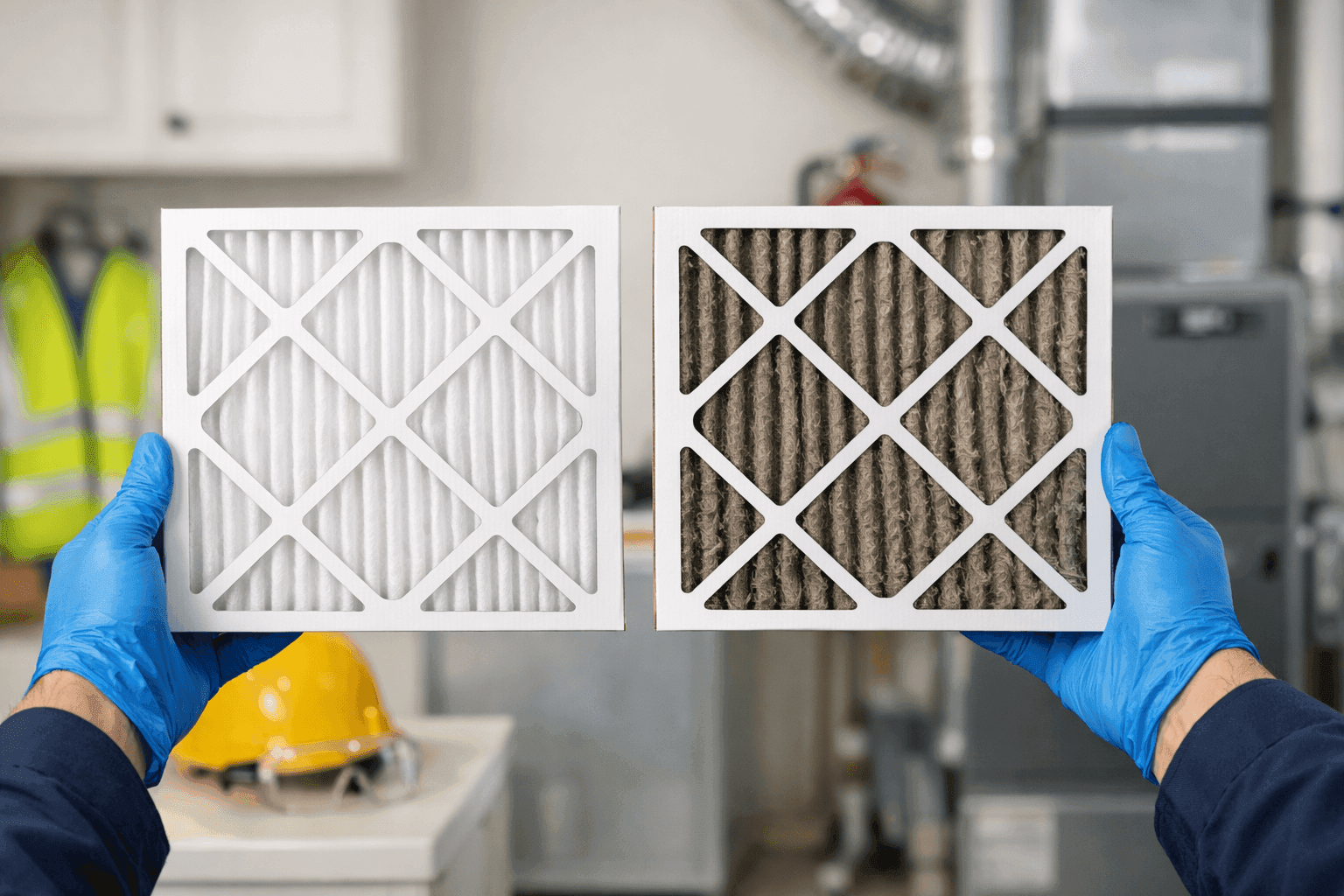
Breathing clean air at home or work isn’t just about comfort—it’s about health. Yet, the simplest part of your HVAC system is often the most forgotten: the humble air filter. Ignore it, and your air can feel as stale as a windowless basement.
At Matlock HVAC, we know that filter care is the heartbeat of indoor air quality. Whether you’re a homeowner or manage a busy office, understanding when and how to change those filters can save you money, prevent breakdowns, and keep everyone breathing easier.
Why Filter Changes Matter 🛡️
Think of your HVAC filter as the goalie for your home’s air. Its job? Block dust, pollen, pet hair, and even tiny bits you can’t see. But when filters clog up, airflow gets choked. Your system strains, energy bills climb, and allergens sneak past.
Neglecting filter changes can lead to:
- Higher utility costs
- Shorter HVAC lifespan
- More frequent repairs
- Lower indoor air quality
According to the U.S. Department of Energy, replacing a dirty filter can lower your air conditioner’s energy use by 5% to 15%. That’s a small swap with a big impact.
Filter Types and Their Lifespans
Not all filters are created equal. Some are like basic coffee filters; others are high-tech sieves. Here’s how they stack up:
- Fiberglass filters: Cheapest, last about 30 days. Good for catching large particles, but not much else.
- Pleated filters: Trap smaller particles, last 60–90 days. A solid choice for most homes.
- HEPA filters: Hospital-grade, last up to 6 months. Excellent for allergies, but check your system’s compatibility.
- Washable filters: Reusable, but require monthly cleaning. Lifespan varies with care.
Still unsure which fits your needs? Our filter services cover everything from selection to safe installation.
Signs Your Filter Needs Replacing
Sometimes, your system will drop hints. Watch for these red flags:
- Dust buildup around vents or on furniture
- Unexplained allergy symptoms or musty smells
- Rising energy bills with no clear cause
- HVAC system running longer than usual
- Visible dirt or discoloration on the filter
If your filter looks like a lint trap after a week of laundry, it’s overdue for a change.
DIY Steps to Change Your Filter Safely 🛠️
Changing a filter is usually as simple as swapping a book on a shelf. But a few precautions keep things safe:
- Turn off your HVAC system at the thermostat.
- Locate the filter slot. Usually found behind a return air grille or inside the furnace/AC unit.
- Slide out the old filter. Note the size and airflow direction (marked by an arrow).
- Insert the new filter with the arrow facing the correct way.
- Secure the cover and turn your system back on.
Dispose of used filters in a sealed bag. For specialty filters or hard-to-reach systems, don’t hesitate to call a pro.
How Filters Affect Air Quality and Costs
A clean filter is like a fresh pair of lungs for your HVAC. When airflow is smooth, your system doesn’t have to work overtime. That means:
- Lower monthly energy bills
- Less wear and tear on motors and fans
- Fewer emergency repairs
- Healthier, fresher air for everyone
The Environmental Protection Agency (EPA) highlights that regular filter changes are a key step in reducing indoor pollutants—especially important if you have pets, allergies, or live near construction.
Establishing a Maintenance Routine 🗓️
Consistency is your secret weapon. Here’s a simple schedule to remember:
- Check filters monthly: Especially during heavy-use seasons.
- Replace every 1–3 months: Or sooner if you notice signs of clogging.
- Mark your calendar: Set reminders on your phone or HVAC thermostat.
Pair filter changes with routine HVAC care for a system that runs smoother year-round.
Common Mistakes to Avoid
It’s easy to slip up. Here are pitfalls to dodge:
- Using the wrong filter size (it won’t fit or seal properly)
- Skipping changes during mild weather (pollen and dust don’t take vacations)
- Forgetting to check filters after renovations or wildfires
- Ignoring manufacturer guidelines
And remember, more isn’t always better—overly restrictive filters can strain older systems.
Seasonal Considerations for Filter Changes
Spring and fall often mean more dust, pollen, or mold spores in the air. If you’ve been running fans, humidifiers, or air scrubbers, your filters may clog faster. And during hot summers or cold winters, your HVAC works overtime—so filters fill up quickly.
If you’re in need of Hartford HVAC services during peak allergy or heating season, timely filter changes can make a noticeable difference.
When to Call an Expert
Some situations call for more than a DIY swap:
- You notice persistent odors or visible mold
- Airflow remains weak after changing the filter
- You’re unsure about filter type or placement
- The filter compartment is hard to access
A professional can inspect, clean, and recommend upgrades tailored to your system.
Quick Safety Checklist
- Always turn off your HVAC before changing filters
- Use gloves if you’re sensitive to dust or debris
- Double-check filter size and orientation
- Never force a filter into place
- Dispose of used filters properly
Safety first—your lungs and your system will thank you.
Filter Specs: What to Look For
Every filter has a MERV (Minimum Efficiency Reporting Value) rating. Higher numbers mean finer filtration, but not every system can handle high-MERV filters. Check your owner’s manual or ask a pro if you’re not sure what your system supports.
What Happens If You Wait Too Long? ⚠️
Neglected filters can lead to:
- Frozen AC coils or overheated furnaces
- Dusty, stuffy rooms
- Costly breakdowns and repairs
- Shorter system lifespan
It’s like never changing the oil in your car—the longer you wait, the bigger the risk.
How Filters Tie Into Duct Cleaning
Dirty filters mean more dust gets into your ductwork. Over time, this buildup can reduce efficiency and worsen allergies. Pairing filter changes with periodic duct cleaning keeps the whole system healthier.
Frequently Asked Questions
How do I know my filter size?
Check the side of your existing filter—sizes are usually printed there.
Can I run my HVAC without a filter?
Never run your system without a filter. It exposes sensitive parts to dirt and debris, risking major damage.
Do higher-priced filters always work better?
Not always. The best filter is the one that matches your system and needs. Sometimes, a mid-range pleated filter is perfect.
Prevention & Maintenance: The Long Game
Regular filter changes are the backbone of a healthy HVAC. Combine them with professional checkups, seasonal tune-ups, and duct cleaning for the best results. A little attention now means fewer headaches later.
Ready to Breathe Easier?
Whether you’re looking for Humidifiers near you or want to boost indoor air quality, Matlock HVAC is here to help. Our team can guide you through filter choices, maintenance schedules, and more.
Call Matlock HVAC now — or reach us anytime at 844-484-6545 .