How Often Should You Replace Your Home Air Filters?
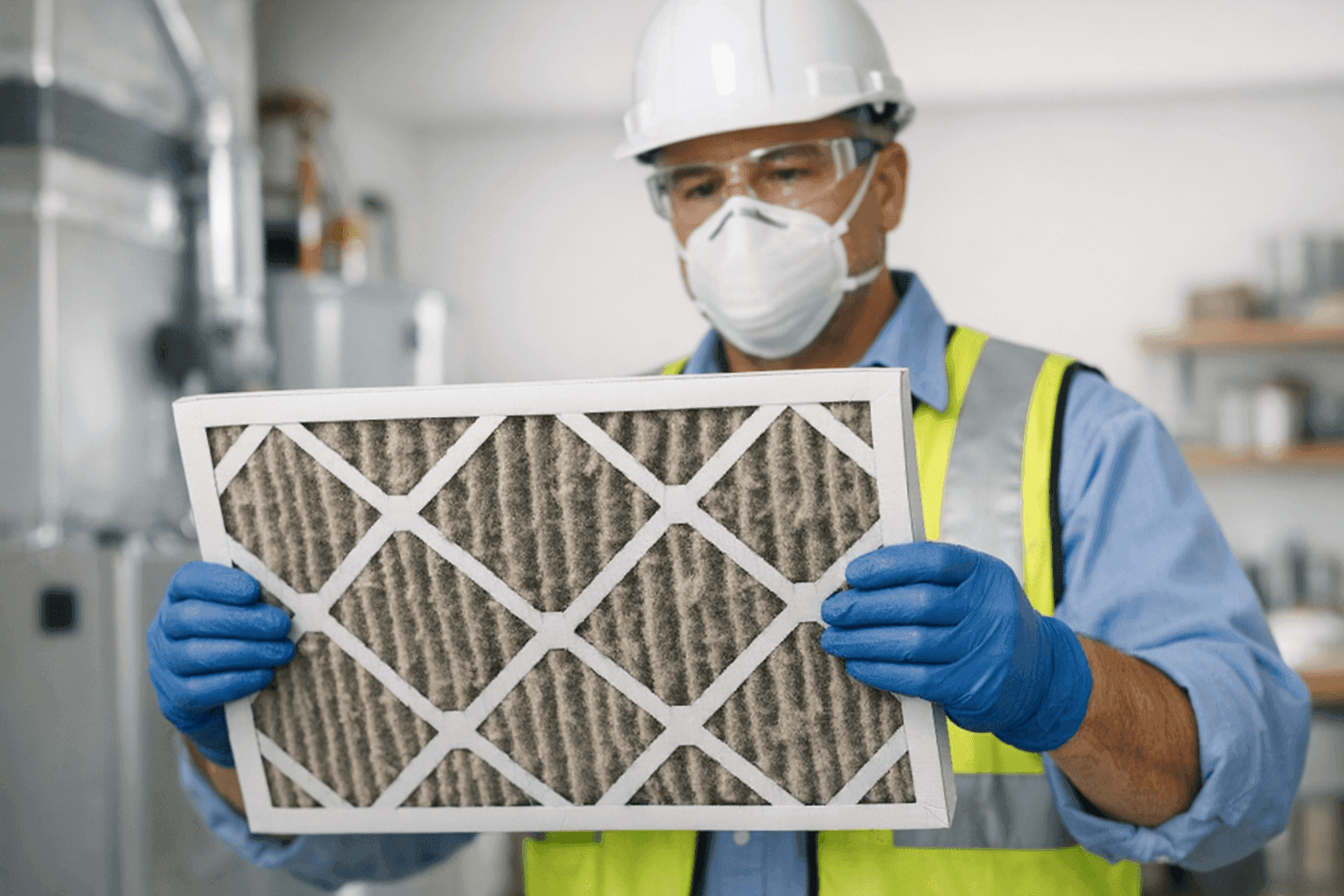
Is the air in your home feeling stuffy? Does your HVAC seem to work overtime just to keep up? You’re not alone. Air filters are the unsung heroes of healthy homes and businesses, but they’re out of sight, out of mind—until something goes wrong.
At Matlock HVAC, we know that a simple filter swap can prevent headaches, sneezing fits, and sky-high energy bills. Let’s break down the why, when, and how of air filter replacement—so you can breathe easier all year long.
Why Filter Changes Matter 🏠
Imagine trying to drink a milkshake through a straw clogged with peanut butter. That’s your HVAC system with a dirty filter—struggling, straining, and never quite getting the job done.
Changing your filter isn’t just about cleaner air. It protects your equipment, keeps your energy bills in check, and helps everyone inside feel healthier. According to the U.S. Department of Energy, replacing a dirty filter can lower your air conditioner’s energy use by 5% to 15%. That’s real savings, month after month.
Signs You Need a New Filter
Not sure when it’s time? Watch for these red flags:
- Dust collecting on surfaces faster than usual
- Musty or stale odors when your system runs
- Allergy or asthma symptoms flaring up
- Visible dirt or discoloration on the filter itself
- HVAC system cycling on and off more frequently
- Unexplained spike in energy bills
If you spot any of these, it’s time to check your filter—no guesswork required.
Recommended Replacement Schedules (by System Type)
Every home and business is different, but here’s what most manufacturers and industry organizations (like ASHRAE) recommend:
1-Inch and 2-Inch Pleated Filters
- Standard homes: Every 90 days
- With pets or allergies: Every 30–60 days
High-Efficiency HEPA Filters
- Residential: Every 6–12 months
- Commercial/Medical: As often as monthly, per manufacturer
Washable Electrostatic Filters
- Clean every 30 days; replace every 5 years (or as needed)
Fiberglass Filters
- Every 30 days, no exceptions
Specialty Filters (Humidifiers, Air Scrubbers)
- Follow manufacturer’s instructions—these can vary widely
Keep in mind, homes with multiple pets, smokers, or allergy sufferers may need more frequent changes. If you run your HVAC system constantly, check your filter at least once a month.
Consequences of Delays
Delaying filter changes is like ignoring the oil light on your car. Here’s what can happen:
- Reduced airflow: Your system works harder, costing you more
- Poor indoor air quality: Dust, pollen, and even mold recirculate
- Shortened equipment life: Motors and fans burn out faster
- Increased repair costs: Clogged filters can cause breakdowns
- Health impacts: More allergens and particles in the air
A $10 filter can save you a $500 repair. That’s not an exaggeration.
Best Practices for Filter Types and HVAC Systems
- Label your calendar: Pick a date each month to check your filter
- Match filter size exactly: An ill-fitting filter lets dust sneak by
- Check airflow direction: Arrows on the filter should point toward the blower
- Don’t overspend: Higher MERV ratings aren’t always better—too restrictive can strain your system
- Read your manual: Manufacturer recommendations are gold
If you’re unsure about which filter fits your system, our air filter services can help you choose and install the right one.
How Schedules Differ for Homes with Pets or Allergies
Pets are adorable, but their dander isn’t. If you have cats or dogs, your filter’s workload doubles. And for allergy sufferers, every extra week can mean more sneezing and discomfort.
- With pets: Check every 30 days, replace at least every 60
- With allergies/asthma: Opt for HEPA or high-MERV filters, and change them monthly
If your home feels extra dusty or your allergies flare up, don’t wait for the calendar—swap your filter right away.
Health and Efficiency Impacts
Clean filters mean more than just fresh air. They:
- Reduce respiratory issues
- Trap bacteria, pollen, and even viruses (with the right filter)
- Keep your HVAC running at peak efficiency
- Lower your carbon footprint by saving energy
The EPA recommends regular filter changes as a key step to improving indoor air quality. It’s a simple habit with a big payoff.
DIY vs Professional Replacement 🛠️
Most homeowners can change a basic filter in minutes. Just turn off your system, slide out the old filter, and pop in the new one. But not all systems are created equal.
- Complex systems: Some filters are tucked away behind panels or in attics
- Commercial buildings: May require special tools or certifications
- If you’re unsure: Call a pro—incorrect installation can do more harm than good
If you’re ever in doubt, our team handles all types of Fargo HVAC services, including tricky filter swaps. Local support is always available when you need it most.
FAQs About Air Filter Replacement
How do I know my filter needs changing?
If it looks gray or clogged, or if you notice more dust or allergy symptoms, it’s time.
Can I vacuum and reuse disposable filters?
No. Disposable filters lose their effectiveness once dirty. Only washable filters are designed to be cleaned.
Will a better filter fix my allergy problems?
It helps, but it’s just one piece of the puzzle. Combine with regular cleaning and, if needed, indoor air quality solutions.
Is it dangerous to skip filter changes?
It can be. Poor air quality affects health, and clogged filters can cause system failures or even overheating.
Seasonal Considerations
Spring pollen and fall leaves can clog filters quickly. During peak heating and cooling seasons, check your filter monthly—even if you usually change it less often. Extreme weather puts extra strain on your HVAC, so don’t let a dirty filter slow things down.
When to Call an Expert
If you’ve changed your filter and still notice:
- Weak airflow
- Persistent odors
- Unusual noises from your HVAC
…it’s time to call for help. Sometimes a deeper issue is at play, like ductwork problems or a failing blower motor. Our certified technicians can diagnose and fix the problem—saving you time and stress.
Common Mistakes to Avoid
- Forgetting to check the filter size
- Installing the filter backward (watch those arrows!)
- Ignoring manufacturer guidelines
- Waiting for visible dirt before changing
Remember, a filter doesn’t have to look filthy to be clogged.
Quick Safety Checklist
- Always turn off your HVAC before removing the filter
- Wear gloves if you’re sensitive to dust
- Dispose of old filters in a sealed bag
- Keep spare filters handy—stock up during sales
Prevention & Maintenance Tips
- Set reminders on your phone or calendar
- Inspect filters during every season change
- Schedule annual hvac maintenance for peace of mind
- Ask your technician to show you the best way to change your filter
A little attention goes a long way toward healthier air and lower bills.
Don’t let a forgotten filter put your comfort—or your health—at risk. Check your filters regularly, follow manufacturer advice, and if you’re ever unsure, reach out to the pros at Matlock HVAC.
Call Matlock HVAC now — or reach us anytime at 844-484-6545 .