Hood & Exhaust System Installation for Commercial Kitchens
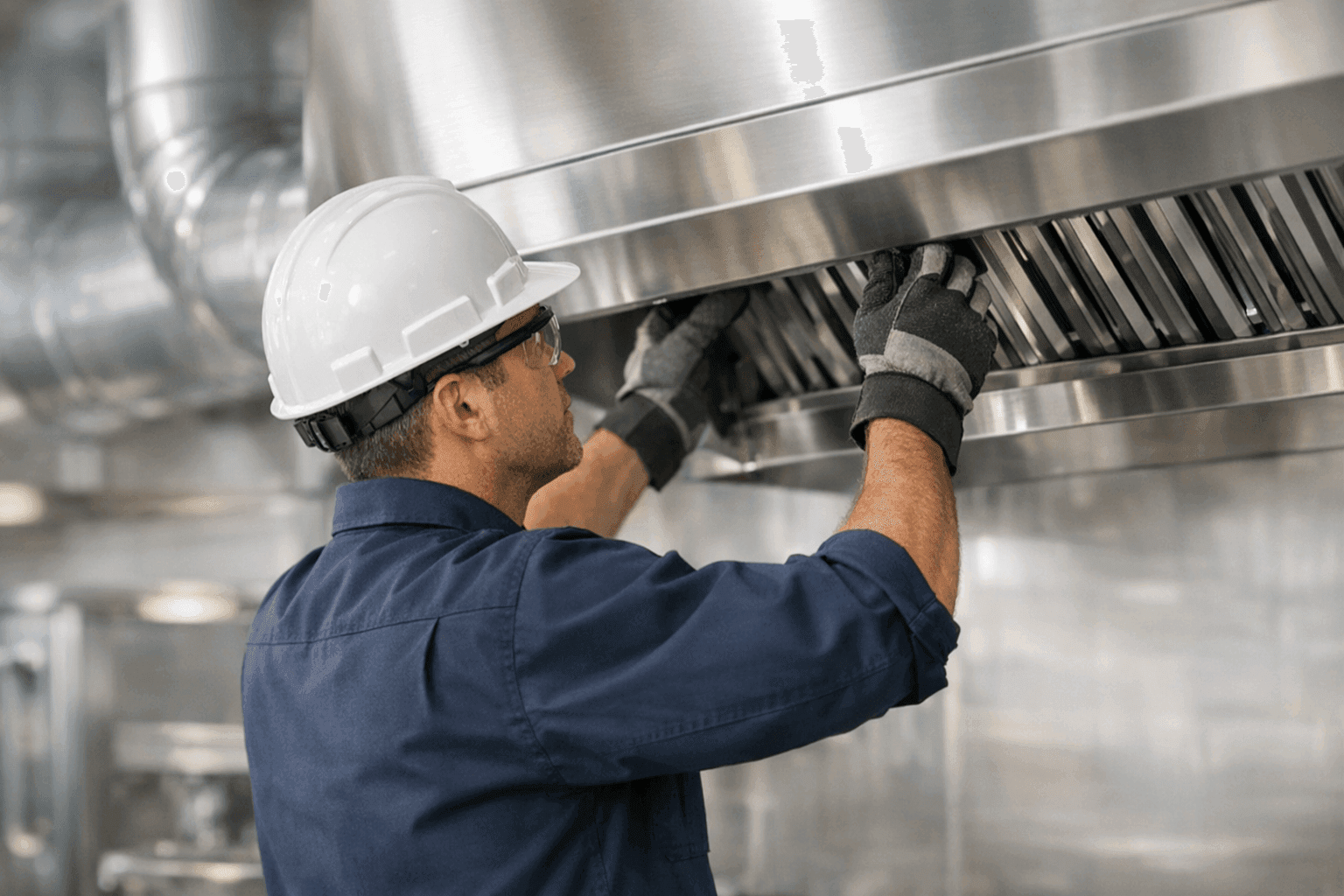
Running a commercial kitchen is a high-stakes game. The air is thick with activity, and every system needs to work in harmony—especially the hood and exhaust. When these aren’t installed or maintained right, it’s not just a nuisance. It’s a risk to safety, air quality, and your bottom line.
At Matlock HVAC, we get it. We’ve helped kitchens like yours—from bustling diners to corporate cafeterias—breathe easier and run cleaner. Here’s what every business owner needs to know about hood and exhaust system installation, maintenance, and compliance.
Why Hood & Exhaust Systems Matter
Picture your kitchen as the engine room of a ship. The hood and exhaust system are the ventilation shafts—they clear the fog, whisk away dangerous fumes, and keep everything cruising smoothly. Without them, heat, smoke, and grease linger, turning your workspace into a storm of hazards.
Key benefits of a proper system:
- Removes smoke, odors, and airborne grease
- Lowers fire risk
- Improves indoor air quality (IAQ)
- Helps meet local health and fire codes
- Protects staff and diners from harmful contaminants
For those searching “Humidifiers near you” or “ventallation upgrades,” know that a well-designed hood and exhaust system is the backbone of safe commercial kitchen air.
Planning Your Installation
Every kitchen is unique—no cookie-cutter solutions here. Planning starts with questions: How much cooking happens? What equipment do you use? Is your building old or new? Each answer shapes the design.
What to expect in the planning phase:
- Site Evaluation: Professionals assess your kitchen’s size, layout, and appliances.
- System Sizing: The right hood is matched to your cooking volume and type.
- Ductwork Design: Efficient routes for air to travel, using quality sheet metal.
- Integration: Syncs with your HVAC, sprinklers, and fire suppression systems.
Skimping on design is like patching a leaky boat with duct tape—it won’t end well. Choose a team that takes the time to get it right.
Code Compliance and Safety
Hood and exhaust systems aren’t just about convenience. They’re a matter of law. The National Fire Protection Association (NFPA 96) sets the standard for ventilation control and fire protection in commercial cooking. Local codes may have extra requirements.
Key code elements:
- Proper hood size and placement
- Minimum airflow rates
- Fire suppression system integration
- Regular cleaning and inspection schedules
Cutting corners can lead to fines, insurance issues, or, worse, a kitchen fire. Always verify your installer knows current code—and double-check their credentials.
Materials & Equipment: What Goes Into a Reliable System
Think of your exhaust system as a suit of armor. Every piece counts. Stainless steel hoods, durable fans, and expertly-crafted ductwork (often custom sheet metal) are the norm.
Look for:
- UL-listed hoods and fans
- Seamless, grease-tight ductwork
- Accessible clean-out doors
- High-performance filters for grease and particulates
Quality parts last longer and protect your investment.
What Professionals Do on Arrival
When you call in a pro, the process is much more than a quick install. It’s a choreography—each step building toward a system that works and lasts.
Expect:
- On-site inspection and measurement
- Review of kitchen workflow and appliance types
- Detailed installation plan, including any building modifications
- Coordination with electrical and fire suppression trades
- Testing and balancing after install
The difference is in the details. A professional won’t leave until airflow, noise, and safety all pass the test.
DIY vs. Call a Pro
Installing a hood and exhaust system isn’t like changing a light bulb. It’s more like rewiring a ship in the middle of a storm. Codes, fire risk, and duct routing make this a job for trained hands.
DIY is risky when:
- Cutting or modifying ductwork
- Integrating with fire suppression or alarm systems
- Sizing or installing fans and controls
For peace of mind, always opt for certified HVAC pros with commercial kitchen experience. Learn more about our approach to hood and exhaust installations.
Quick Safety Checklist 🛡️
Before firing up your new or existing system, run through this simple list:
- Hoods clear of obstructions
- Grease filters installed and clean
- Ductwork and fans firmly attached
- Fire suppression system armed and accessible
- Emergency shut-off switches labeled
A quick check can make all the difference in an emergency.
Common Mistakes and How to Avoid Them
Even the best kitchens fall into familiar traps:
- Undersized hoods that can’t handle peak times
- Poorly sealed ductwork leaks grease and smoke
- Filters not changed on schedule
- Skipping professional inspections
Stay ahead by partnering with a knowledgeable HVAC team and sticking to a regular maintenance plan.
Signs of Trouble: When to Act Fast
Don’t wait for smoke to pour out the door. Watch for:
- Unusual odors or haze lingering in the kitchen
- Loud or rattling fans
- Grease dripping from hoods or duct seams
- Visible buildup on filters or inside ducts
Any of these signs means it’s time for a service call—before bigger problems flare up.
Maintenance and Best Practices
A hood and exhaust system is like a chimney in winter—it needs regular attention to stay safe.
Best practices:
- Clean filters at least weekly (daily in busy kitchens)
- Schedule professional duct and fan cleaning every 3–6 months
- Test fire suppression systems per manufacturer’s guidelines
- Keep detailed maintenance logs for code compliance
The National Restaurant Association and OSHA both recommend documented, routine maintenance. It keeps your kitchen safe and your doors open.
Costs & Time Factors
Installing a new hood and exhaust system is an investment. Costs vary based on kitchen size, complexity, and materials. A small café may spend less, while a high-volume restaurant needs a more robust system.
What affects the price:
- Size and type of hood
- Ductwork length and complexity
- Need for custom sheet metal fabrication
- Integration with existing HVAC and fire systems
Installation typically takes a few days to a week, depending on the project’s scope. Plan for some disruption—but the payoff is a safer, more efficient kitchen.
Timeline & Disruption: What to Expect
No one likes downtime. A reputable installer will work with your schedule to minimize business interruption.
Typical steps:
- Pre-installation assessment and prep
- Delivery of materials (hood, fans, ductwork)
- Installation (may require partial kitchen closure)
- Testing, inspection, and code sign-off
Clear communication with your installer helps keep surprises to a minimum.
When It’s an Emergency 🚨
If you smell burning or see smoke where it shouldn’t be, don’t wait. Shut down cooking operations and call emergency services. Once things are safe, reach out to your HVAC provider for a full inspection.
In urgent situations, Matlock HVAC offers 24 hour emergency service. We’re also available in the Charleston area for rapid response when you need it most.
Seasonal Considerations
Changes in weather can impact your ventilation. In colder months, negative air pressure can cause drafts or smoke backflow. In summer, high humidity can overwork your fans.
Stay proactive:
- Schedule seasonal checkups
- Adjust system settings as needed
- Inspect for weather-related wear and tear
Year-round attention means fewer surprises and smoother service.
Preparing for Service: What You Can Do
Before your installer arrives:
- Clear the installation area of equipment and supplies
- Notify staff of the service schedule
- Locate building blueprints or past maintenance records (if available)
- Ask questions—no detail is too small
A little prep goes a long way toward a smooth, stress-free install.
FAQ: What Business Owners Ask Most
Q: How often should my hood system be cleaned?
A: High-volume kitchens need monthly cleaning. Lower-volume operations may go quarterly. Always follow NFPA 96 and manufacturer guidelines.
Q: What’s the lifespan of a commercial hood?
A: With proper care, hoods and exhaust fans often last 10–15 years or more.
Q: Can I upgrade my existing system?
A: Yes—many older kitchens can be retrofitted with more efficient, code-compliant systems.
Q: What about local code differences?
A: Always check with local authorities and work with installers familiar with your region’s requirements.
Conclusion: Safe Kitchens Run on Quality Ventilation
A well-installed hood and exhaust system isn’t just another appliance. It’s the heartbeat of your kitchen’s safety and comfort.
If you’re planning a new installation, upgrading, or overdue for maintenance, Matlock HVAC is ready to help. We handle everything from hood and exhaust system installation to ongoing maintenance and code compliance.
Call Matlock HVAC now — or reach us anytime at 844-484-6545 .