Home Ventilation Solutions: From Exhaust Fans to ERVs
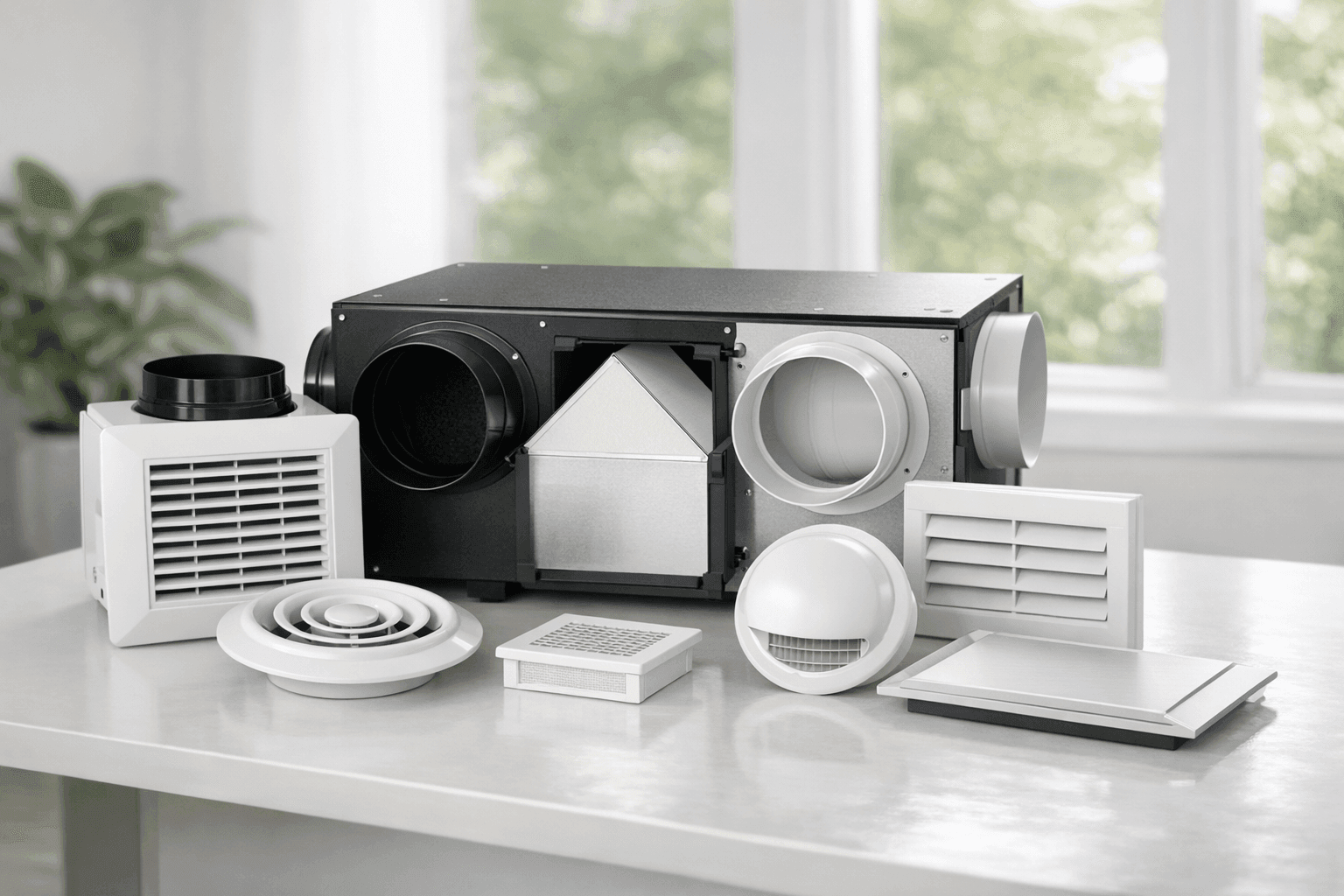
Is your home’s air starting to feel stale? Maybe it’s thick, heavy, or just never seems truly fresh. You’re not alone. Modern houses are built tight to save energy, but that can trap dust, moisture, and odors inside. The right ventilation can change everything—making your space healthier, safer, and more comfortable.
At Matlock HVAC, we see firsthand how the right air movement transforms homes and businesses. This guide will walk you through real-world ventilation solutions, from simple exhaust fans to advanced ERVs. We’ll help you breathe easier—literally.
Why Ventilation Matters for Indoor Air Quality 🌬️
Imagine your home as a closed jar. Without a way for fresh air to come in and stale air to leave, things get stuffy fast. Ventilation is your invisible window—letting in clean air, pushing out pollutants, and balancing moisture.
Poor ventilation can lead to:
- Mold and mildew growth
- Lingering odors from cooking, pets, or cleaning
- Allergens and dust buildup
- High humidity, which can damage walls and furniture
- Increased risk of respiratory issues
According to the Environmental Protection Agency (EPA), indoor air can be 2–5 times more polluted than outdoor air. Proper ventilation is key to tackling this problem.
Types of Home Ventilation Solutions
There’s no single answer for every home or business. The best approach depends on your building, your needs, and your budget. Here’s a look at the most common options:
1. Exhaust Fans
These are the workhorses of bathrooms, kitchens, and laundry rooms. They pull out humid, smelly, or smoky air right at the source. Think of them as the “exhale” for your home.
- Best for: Removing moisture after showers, venting cooking fumes, or clearing out chemical smells.
- Tip: Look for ENERGY STAR®-rated models—they’re quieter and more efficient.
2. Supply Fans
Supply fans do the opposite: they bring fresh outdoor air inside. Sometimes they work with filters to catch pollen and dust before it enters.
- Best for: Homes in areas with good outdoor air quality or for balancing air pressure.
3. Balanced Ventilation Systems
These systems use both exhaust and supply fans to swap stale indoor air for fresh outdoor air at the same rate. No pressure imbalances, just steady, even airflow.
- Best for: Energy-efficient homes and buildings with tight construction.
4. Energy Recovery Ventilators (ERVs) & Heat Recovery Ventilators (HRVs)
These are the gold standard for modern ventilation. ERVs and HRVs exchange indoor and outdoor air but also transfer heat (and sometimes humidity) between the two streams. It’s like swapping coats at the door—keeping comfort in, letting contaminants out.
- Best for: Homes in extreme climates (hot or cold), or anyone wanting maximum efficiency.
- Note: ERVs also manage humidity, while HRVs focus on temperature.
5. Whole-House Fans
Mounted in attics, these fans pull cool air in through open windows and push hot air out. They’re perfect for quick, natural cooling in spring and fall.
- Best for: Mild climates or nights when you want to avoid running the AC.
6. Spot Ventilation (Range Hoods, Dryer Vents)
Targeted solutions for specific trouble spots like kitchens and laundry rooms. Range hoods, for example, capture grease and smoke right where you cook.
- Best for: Homes with frequent cooking or high-moisture areas.
Curious about which ventilation services fit your home or business? Our team can help you weigh the options.
Choosing the Right Solution for Your Space
Every building is different. The best ventilation plan depends on:
- Building Age & Construction: Older homes may leak air, while new ones are sealed tight.
- Climate: Humid areas need moisture control; cold climates need heat recovery.
- Lifestyle: Lots of cooking, pets, or hobbies? You may need extra spot ventilation.
- Allergies or Health Concerns: Consider filtration and air quality testing.
A professional assessment can reveal hidden trouble spots. At Matlock HVAC, we often start with an indoor air quality (IAQ) test. This helps us pinpoint sources of moisture, odors, or pollutants before recommending solutions.
Quick Safety Checklist for Ventilation Upgrades
Before making any changes, keep these safety basics in mind:
- Check for Backdrafting: Appliances like furnaces and water heaters need proper venting. Poor airflow can pull dangerous gases back into your home.
- Follow Local Codes: Building codes set minimum standards for ventilation. Always check requirements for your area.
- Use Proper Materials: Flexible ducting, fire-rated hoods, and UL-listed fans are a must.
- Electrical Safety: Never install fans or ERVs without shutting off power at the breaker.
For more, the American Society of Heating, Refrigerating and Air-Conditioning Engineers (ASHRAE) publishes best practices for residential ventilation.
DIY vs. Call a Pro
Some ventilation projects are weekend-friendly. Others are best left to the pros. Here’s a quick guide:
DIY-Friendly:
- Replacing bathroom or kitchen exhaust fans (if wiring is simple)
- Cleaning vent covers and filters
- Sealing visible duct leaks with foil tape
Call a Pro For:
- Installing ERVs/HRVs or balanced systems
- Adding new ductwork or vent runs
- Upgrading electrical circuits
- Combustion safety checks
If you’re not sure, it’s always safer to consult a qualified HVAC technician.
What Pros Do On Arrival
When you invite a professional into your home for ventilation work, expect:
- A thorough inspection of your current system
- Airflow measurements and pressure balancing
- Recommendations tailored to your space and usage
- Safe, code-compliant installation
- Clean-up and a quick walk-through of new controls
Our team at Matlock HVAC prides itself on clear communication and respect for your property.
Prevention & Maintenance: Keep Air Flowing
Once your system is installed, regular maintenance keeps it running smoothly:
- Clean or replace filters every 1–3 months, especially in dusty or high-pollen seasons.
- Wipe down vent covers to prevent dust buildup.
- Check for blockages in exterior vents—leaves, nests, or snow can clog airflow.
- Listen for unusual noises—rattling or grinding can signal loose parts.
A little attention goes a long way. Well-maintained systems last longer and perform better.
Costs & Time Factors
Ventilation solutions range from a few hundred dollars for basic exhaust fans to several thousand for whole-home ERVs or HRVs. Installation time varies:
- Exhaust or spot fans: 1–3 hours
- Whole-house fans: Half a day
- Balanced or recovery systems: 1–2 days, depending on ductwork
Factor in energy savings, too. Modern systems can lower heating and cooling bills by reducing the load on your HVAC.
When It’s an Emergency
Sometimes, poor ventilation is more than a comfort issue. If you notice:
- Persistent musty smells or visible mold
- Condensation on windows or walls
- Unexplained health symptoms (headaches, fatigue, allergies)
- Carbon monoxide alarms triggered
Don’t wait. These are signs your air quality is at risk. Fast response is critical, especially if you need Crystal Lake HVAC services or support in surrounding areas.
Seasonal Considerations for Ventilation
Ventilation needs shift with the seasons:
- Spring/Summer: Use whole-house fans to cool naturally; watch for pollen spikes.
- Fall/Winter: ERVs and HRVs recover heat and manage moisture as windows stay closed.
- Stormy Weather: Close exterior vents and check for leaks after heavy rain.
Adjust your system’s settings as the seasons change for best results.
Common Mistakes to Avoid
- Oversizing or undersizing fans: Too big, and you waste energy; too small, and you don’t move enough air.
- Blocking vents with furniture or drapes
- Ignoring maintenance: Dirty filters and fans can’t do their job.
- Skipping code requirements: Shortcuts can lead to safety hazards and failed inspections.
Signs of Trouble
Stay alert for:
- Stale or stuffy air, even with fans running
- Excessive dust buildup
- High humidity or condensation
- Unusual noises from fans or vents
Early action prevents bigger headaches down the road.
Timeline & Disruption
Most ventilation upgrades are quick and cause minimal mess. Expect some drilling, dust, and noise during installation. Professionals will protect your floors and clean up after.
Plan ahead if you have pets, sensitive electronics, or special access needs.
Materials & Equipment
Quality matters. Choose:
- ENERGY STAR®-rated fans and ventilators
- Metal ducting for long runs (flexible ducts only for short connections)
- Fire-rated hoods for kitchens
- Smart controls or timers for efficiency
Ask your technician about warranties and maintenance plans.
FAQ: Your Ventilation Questions Answered
Q: Do I need ventilation if I already have central air?
A: Yes! Air conditioning circulates air but doesn’t bring in fresh air or remove pollutants.
Q: How often should I replace filters?
A: Every 1–3 months, or more often if you have pets, allergies, or live in a dusty area.
Q: Can ventilation help with allergies?
A: Absolutely. Good systems reduce pollen, dust, and mold indoors.
Q: Is professional installation worth it?
A: For complex systems or code compliance, yes. DIY is fine for simple fan swaps, but pros ensure safety and performance.
Ready to Breathe Easier?
Whether you need a quick bathroom fan upgrade or a whole-home ERV, Matlock HVAC is here to help. We offer solutions for homes and businesses, with options for every budget. Explore our ventallation options to find the right fit for your space.
Call Matlock HVAC now — or reach us anytime at 844-484-6545 .