Geothermal HVAC: Pros, Cons & What to Expect
Thinking about a new way to heat and cool your space? Geothermal HVAC might sound futuristic, but it’s a proven technology with decades of real-world use. If you’re tired of high energy bills and want something that works quietly behind the scenes, this guide is for you.
At Matlock HVAC, we’ve seen firsthand how geothermal systems can transform comfort and efficiency for homes and businesses. But is it right for you? Let’s dig into the details—no fluff, just facts.
What Is Geothermal HVAC? 🌱
Imagine tapping into the steady temperature beneath your feet. That’s what geothermal HVAC does. Instead of burning fuel or relying on outside air, it uses the earth’s stable underground heat to warm or cool your building.
Geothermal stands for “earth heat.” These systems are sometimes called ground-source heat pumps. They’re not magic, just smart engineering using natural resources.
How Geothermal Systems Work
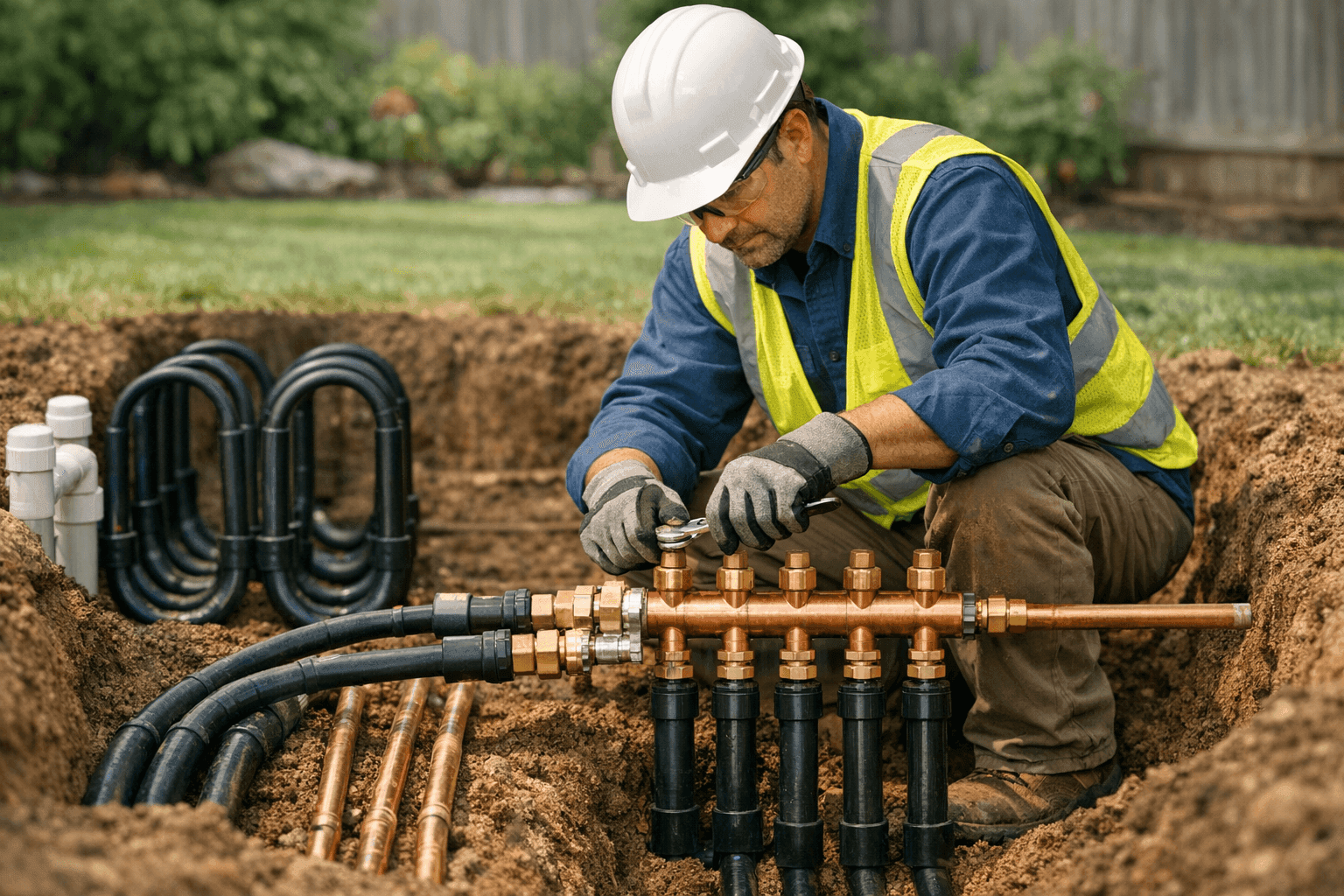
Here’s the gist: A geothermal system moves heat between your building and the ground using a series of buried pipes (the “loop”). In winter, it draws warmth from the earth and moves it indoors. In summer, it takes heat from inside and dumps it into the cooler ground.
Think of it like a refrigerator, but in reverse—and for your whole building. The ground stays about the same temperature year-round, usually around 50–60°F just a few feet down. This consistency is what makes geothermal so reliable.
Main Parts of the System
- Ground Loop: Pipes buried horizontally or vertically in your yard or under a parking lot.
- Heat Pump Unit: Sits inside, connects to your ductwork or radiant system.
- Distribution System: Delivers warm or cool air (or water) throughout your space.
Pros and Cons Compared to Traditional HVAC
No system is perfect. Here’s what stands out about geothermal compared to standard furnaces, boilers, or air conditioners.
Pros
- Lower Operating Costs: Geothermal uses electricity, but much less than electric resistance heating or standard AC. According to the U.S. Department of Energy, you could save 25–70% on heating and 20–50% on cooling.
- Steady Comfort: No blasts of hot or cold air. Temperatures stay consistent.
- Quiet Operation: No outdoor condenser kicking on and off.
- Long Lifespan: Underground loops can last 50+ years; indoor components 20–25 years.
- Eco-Friendly: Reduces greenhouse gas emissions. No onsite combustion.
- Low Maintenance: Fewer moving parts than traditional HVAC.
Cons
- Upfront Cost: Installation is pricier than a standard system. You’re paying for both equipment and excavation.
- Site Requirements: Not every property is a fit. Space, soil conditions, and access matter.
- Installation Disruption: Yard or lot may be dug up for loop installation.
- Not DIY-Friendly: Requires specialized design and certified installers.
Is Geothermal Right for You?
Geothermal isn’t one-size-fits-all. Here are some things to consider:
- Property Size: Larger lots are easier, but vertical loops can work for smaller spaces.
- Soil and Groundwater: Rocky soil or high water tables can complicate things.
- Existing HVAC: Retrofitting is possible, but new construction is ideal.
- Budget: Upfront investment is higher, but payback comes from lower bills.
If you’re curious about your options, geothermal HVAC services from Matlock HVAC start with a site evaluation and honest conversation about what’s possible.
Installation Process and Expectations
Installing geothermal is more involved than swapping out a furnace. Here’s what to expect:
Step 1: Site Assessment
- Soil testing
- Space measurement
- Load calculation for your building
Step 2: System Design
- Choosing between horizontal, vertical, or pond/lake loops
- Sizing the heat pump and loop
Step 3: Excavation and Loop Installation
- Trenching or drilling for the loop field
- Laying and connecting pipes
Step 4: Indoor Equipment
- Installing the heat pump
- Connecting to ductwork or radiant piping
Step 5: Final Connections and Testing
- Pressure and leak testing
- System commissioning
The whole process can take a week or more, depending on weather, site conditions, and system complexity.
Maintenance and Lifespan 🛠️
Geothermal systems are known for their durability, but like any HVAC, they need routine care.
What Needs Attention
- Filters: Change or clean monthly, just like a standard system.
- Heat Pump: Annual inspection for refrigerant, electrical, and controls.
- Ground Loop: Usually maintenance-free, but should be checked for leaks or pressure drops.
Most issues are caught during HVAC maintenance visits. Indoor units typically last 20–25 years; ground loops can exceed 50 years if installed correctly.
Safety First: What to Know
Geothermal heat pumps are safe—no combustion, no carbon monoxide. But, proper installation is critical. The International Ground Source Heat Pump Association (IGSHPA) sets standards for safe loop installation and refrigerant handling. Always choose certified professionals.
DIY vs. Call a Pro
This isn’t a weekend project. Specialized equipment, design, and knowledge are required. Mistakes can lead to system failure or even property damage. Always rely on certified installers who follow IGSHPA and manufacturer guidelines.
What Pros Do on Arrival
Expect a thorough walk-through. Pros will:
- Inspect your current HVAC and electrical setup
- Review your property’s layout and landscaping
- Discuss your comfort goals and energy usage
- Explain the installation process and answer your questions
You should feel comfortable asking about credentials, experience, and code compliance.
Prevention & Maintenance Tips
- Schedule annual checkups for your heat pump.
- Replace filters regularly.
- Keep vents and registers clear of furniture and dust.
- Monitor your thermostat—sudden swings can signal a problem.
Proactive care helps you catch small issues before they become big repairs.
Costs & Payback Period
Sticker shock is real. Geothermal installation can cost two to three times more than a standard furnace/AC. But, most homeowners see payback in 5–10 years through lower energy bills, according to ENERGY STAR.
Some states and utilities offer rebates or tax incentives. Ask your installer about current programs.
Timeline & Disruption
Expect some disruption—especially outdoors. Lawns may need to be reseeded, driveways patched, or landscaping redone. Indoors, most work happens in the mechanical room or utility area. Plan for a week or more, weather permitting.
When to Call an Expert
If your current HVAC is struggling, or you’re planning a major renovation, it’s a good time to explore geothermal. For those in need of Shawnee HVAC services, local, experienced help is available to guide you through the process.
Common Mistakes to Avoid
- Under-sizing or over-sizing the system
- Skipping soil and load analysis
- Choosing an inexperienced installer
- Neglecting regular maintenance
These can all shorten system life or reduce efficiency.
Seasonal Considerations
Geothermal works year-round, but installation is easiest when the ground isn’t frozen or waterlogged. Plan ahead if you want to minimize delays.
Signs of Trouble
Watch for:
- Unexplained spikes in energy bills
- Uneven temperatures
- Strange noises from the heat pump
- Water leaks near the indoor unit
Call for service if you notice any of these.
Final Thoughts: Making an Informed Choice
Geothermal HVAC offers comfort, efficiency, and reliability—but it’s not for every building or budget. Weigh the pros and cons, ask questions, and work with certified professionals who put your needs first.
Call Matlock HVAC now — or reach us anytime at 844-484-6545 .