Generator Maintenance: How to Ensure Reliable Backup Power
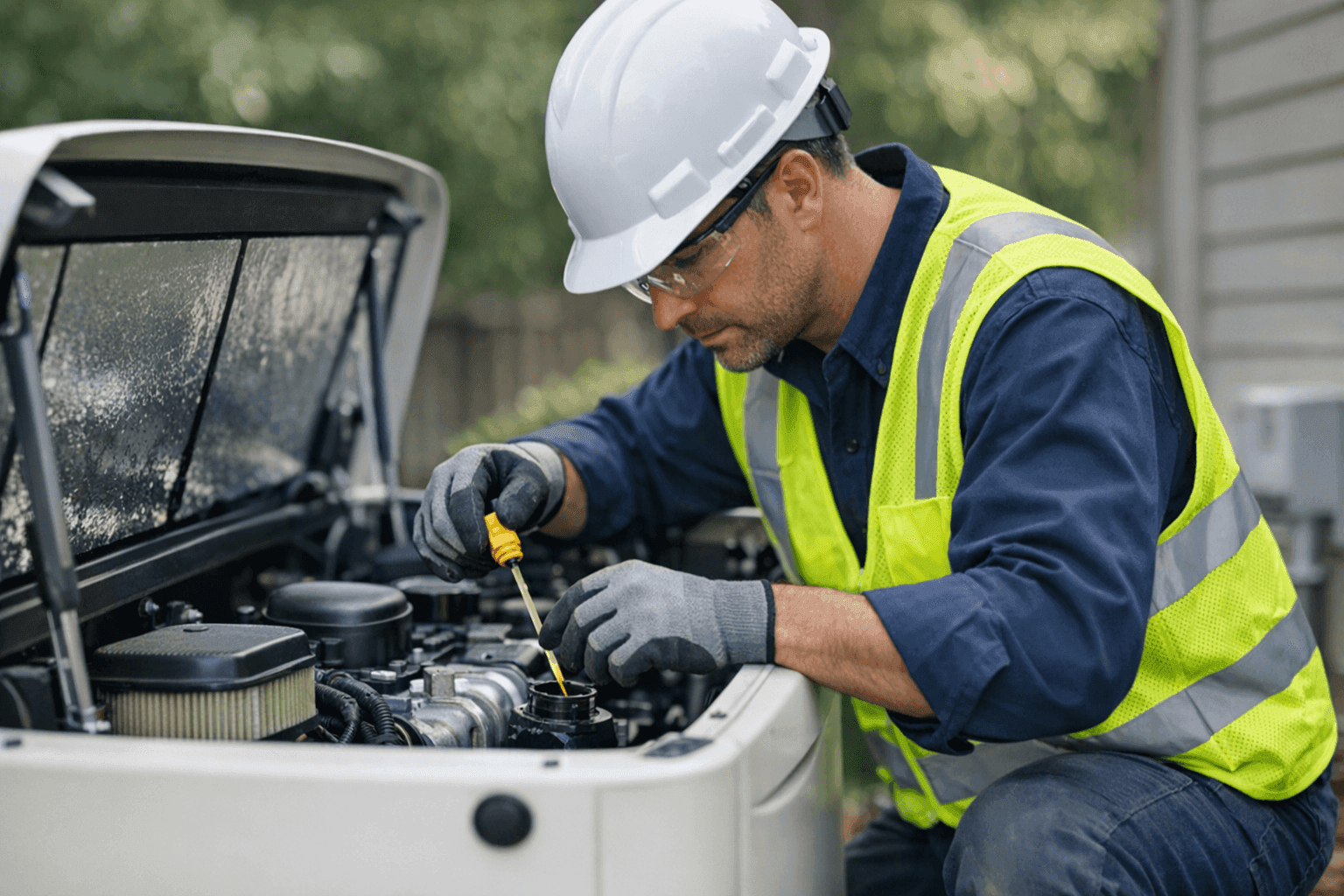
When the lights go out, a well-maintained generator becomes your home or business’s lifeline. It can mean the difference between comfort and chaos, safety and stress. Yet, too often, backup generators are forgotten—until the power fails and it’s too late.
At Matlock HVAC, we know how vital reliable backup power is, whether it’s for your family’s comfort or your business’s bottom line. Let’s walk through practical steps and safety tips to keep your generator ready, rain or shine.
Why Generator Maintenance Matters ⚡
Think of your generator as a safety net. If it’s frayed, it won’t catch you when you fall. Regular maintenance isn’t just a suggestion—it’s a necessity for anyone who counts on backup electricity.
A neglected generator can:
- Fail to start in an emergency.
- Suffer costly breakdowns.
- Pose safety hazards like fuel leaks or electrical shorts.
According to the National Fire Protection Association (NFPA 110), regular maintenance is required for standby generators to ensure safe, effective operation. This isn’t just about following codes; it’s about protecting people and property.
Key Maintenance Tasks Every Owner Should Know
Like a car, your generator needs both basic and professional care. Some tasks are simple and safe for most owners. Others need a trained technician.
DIY Generator Maintenance
- Visual Inspection: Check for debris, corrosion, and loose connections.
- Run the Unit Regularly: Let it run for 15–20 minutes monthly. This keeps components lubricated and battery charged.
- Check Oil Level: Low oil can ruin the engine. Top up as needed, using the manufacturer’s recommended oil.
- Replace Air Filters: Dirty filters choke performance—change them according to the manual.
- Inspect the Battery: Clean corrosion, check terminals, and test voltage.
Always power down and disconnect before touching anything. If you’re unsure, leave it to a professional.
Professional Service Tasks
Some maintenance needs trained hands and certified tools. Pros will:
- Test voltage and load.
- Inspect and clean spark plugs.
- Check fuel system for leaks or blockages.
- Adjust belts and hoses.
- Review control panels and transfer switches.
Need a full breakdown of what’s included? See our generator maintenance services for a detailed checklist.
Signs Your Generator Needs Service
Backup generators rarely fail quietly. Watch for these warning signs:
- Hard Starting: Hesitation, sputtering, or long crank times.
- Strange Noises: Knocking, banging, or whirring that’s new.
- Warning Lights: Modern units flash codes—don’t ignore them.
- Leaks: Oil, coolant, or fuel beneath the unit.
- Unusual Smells: Fuel or burning odors spell trouble.
If you notice any of these, don’t wait. Problems rarely fix themselves—and small issues can snowball fast.
Safety First: Quick Generator Safety Checklist
Before you touch your generator, safety comes first:
- Turn off power and let the unit cool.
- Wear gloves and safety glasses.
- Never run a generator indoors or near windows (carbon monoxide risk).
- Keep children and pets away.
- Use only manufacturer-approved parts and fluids.
The Occupational Safety and Health Administration (OSHA) stresses the importance of these precautions for anyone maintaining or operating generators.
Professional Inspections and Testing 🔍
A professional inspection is like an annual checkup for your backup power. Trained HVAC technicians have the experience and equipment to:
- Perform load bank tests to simulate real-world demand.
- Inspect transfer switches and electrical panels.
- Confirm compliance with local codes and manufacturer specs.
- Record maintenance logs—often required for warranties or insurance.
These visits catch hidden problems and give you confidence that your generator is ready for anything.
DIY vs. Call a Pro: Knowing Your Limits
There’s pride in tackling small jobs, but backup generators aren’t the place to gamble. Simple checks (like topping off oil) are fine, but electrical or fuel work should always be handled by certified professionals.
Complex repairs or installations—especially tying into your electrical panel—require deep knowledge of both local building codes and electrical safety. If you’re considering a new system, our generator installation team can help you choose and set up the right unit for your needs.
Prevention & Maintenance: Creating a Routine
Consistency is key. Set a reminder to run and inspect your generator monthly. Schedule professional service at least once a year, or before storm season.
Some practical tips:
- Keep the area around your generator clear of debris and snow.
- Store extra oil and filters in a safe, dry place.
- Replace the battery every 2–3 years, even if it seems fine.
A little routine work today beats a frantic repair call tomorrow.
Costs & Time Factors: What to Expect
Most routine generator maintenance takes less than an hour. Costs vary by unit size, fuel type, and any needed repairs, but regular service is always cheaper than a major breakdown.
Remember: neglecting service can void warranties or lead to expensive emergency calls. It’s a small investment for peace of mind.
When It’s an Emergency: What To Do
If your generator won’t start during an outage, stay calm. First, check for obvious issues—like tripped breakers or low fuel. Avoid DIY fixes beyond what’s safe.
During widespread outages, demand for repairs spikes. If you’re local to the area, our Burlington support team is available to help in emergencies and can prioritize urgent calls.
Seasonal Considerations: Preparing for Storms & Winter
Storms and winter weather are peak times for generator use. Before severe weather hits:
- Schedule a professional tune-up.
- Stock up on approved fuel and keep it fresh.
- Protect outdoor units from snow and ice buildup.
- Test run the system for 30 minutes with a load.
This preparation keeps your backup power ready when you need it most.
Common Mistakes That Risk Generator Failure
Even well-intentioned owners can slip up. Avoid these pitfalls:
- Letting fuel sit too long (it degrades).
- Forgetting annual service.
- Running the generator in an enclosed space.
- Ignoring warning lights or strange sounds.
If in doubt, consult your owner’s manual or reach out to a qualified HVAC technician.
Timeline & Disruption: How Service Impacts Your Day
Worried about downtime? Most maintenance visits are quick and cause minimal interruption. Technicians typically need access to the generator, nearby electrical panels, and fuel supply.
Plan for a 30–60-minute window, unless repairs are needed. It’s a small window for year-round protection.
Materials & Equipment: What the Pros Bring
Professional techs arrive with:
- Diagnostic testers and meters.
- Approved replacement parts and filters.
- Safety gear and code-compliant tools.
This ensures your generator is serviced to the highest standards—no shortcuts.
FAQs: Generator Maintenance Essentials
How often should I run my generator?
Run it for 15–20 minutes monthly, under load if possible.
Do I need to be home for service?
Yes, for access and safety. It’s also a good chance to ask questions.
Will maintenance void my warranty?
No—neglecting maintenance might. Keep service records.
Can you help with other HVAC needs?
Absolutely. From Humidifiers near you to air balancing and IAQ testing, we keep your whole system healthy.
Conclusion: Reliable Power Starts With Care
A backup generator is your insurance policy against the unexpected. Regular maintenance keeps it ready for the moment you need it most—no surprises, no stress.
When you need a hand with generator care, or any HVAC service, Matlock HVAC is here to help.
Call Matlock HVAC now — or reach us anytime at 844-484-6545 .